Lung cancer risk goes beyond smoking: “I cannot control the air I breathe”
Diagnosed with stage 4 lung cancer at 35 despite being fit and never having smoked, Urvashi Prasad is calling for greater recognition of environmental cancer risks and a more comprehensive approach to prevention.

HIGHLIGHTS
- Diagnosed with stage 4 lung cancer at 35 as a non-smoking living in the highly polluted city of Delhi, Urvashi Prasad is challenging assumptions about who is at risk.
- Urvashi’s experience shows how assumptions and stigma around smoking and lung cancer can contribute to the disease being overlooked and a diagnosis delayed.
- She is calling for better links between air-quality and health data to make the consequences of pollution easier for the public and policymakers to understand.
- Through the PAVANA Centre for Air Pollution and Environmental Health, Urvashi is working to make the health and economic impacts of pollution more visible.
When Urvashi Prasad was diagnosed with stage 4 lung cancer shortly before her 36th birthday, lung cancer was the last thing she or her doctors expected. She had never smoked, was physically fit and active, and had no cough or breathlessness. Yet the cancer had spread extensively, particularly to her liver.
“There was nothing in my history that would really have pointed towards lung cancer,” she says. “It took me weeks to process the diagnosis. I had never even heard of ALK-positive lung cancer.”
Long associated primarily with smoking, which remains responsible for approximately 60.5% of cases in women and 69.4% in men, lung cancer is increasingly being diagnosed in people who have never smoked, including younger adults.
Urvashi, who lives in New Delhi, India, has an anaplastic lymphoma kinase (ALK)-positive lung adenocarcinoma, a type of cancer associated with a specific molecular alteration (the fusion of two genes) that can be that can be triggered by environmental factors such as air pollution, and is treated with targeted medicines. Her experience illustrates why lung cancer prevention efforts must look beyond tobacco control, and apply similarly successful measures to reduce exposure to other risks factors.
Urvashi’s symptoms first appeared shortly after the death of her father, when she began experiencing fatigue and a loss of interest in everyday activities, followed by nausea, reduced appetite, and general malaise. Initially, she attributed her symptoms to bereavement, while a general physician suspected a gastrointestinal infection.
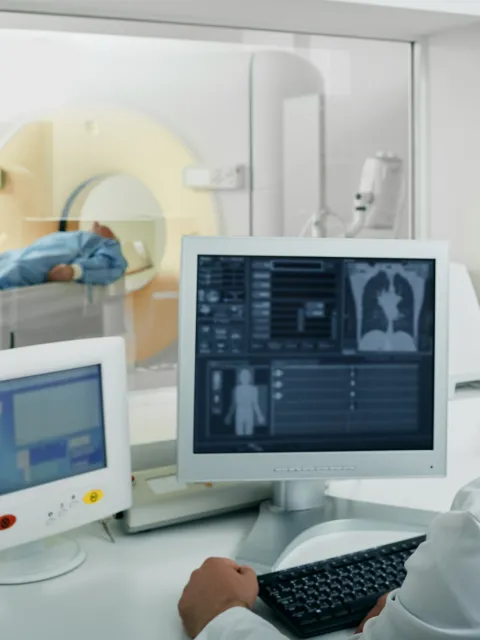
An abdominal ultrasound revealed numerous cancerous lesions in her liver. A PET scan then confirmed that the cancer was metastatic, having spread to other organs, but there was no clear indication of where it had originated. There was initially suspicion of lymphoma, and a biopsy of a lymph node near her collarbone was interpreted as suggesting stomach cancer. Lung cancer was not suspected, however, because there was very little evidence of disease in her lungs.
This only came after a pathologist at a specialist laboratory in Mumbai considered her age and non-smoking history, tested the lymph-node sample for molecular alterations, and identified ALK-positive lung cancer.
She began targeted treatment that has brought the cancer under control, effectively turning it into a chronic disease. Treatment is long-term, however, and has brought considerable side effects, requiring additional medication and regular monitoring. In particular, the therapy has substantially increased her cholesterol and causes anaemia, as well as significant weight gain and potential cardiac effects.
“Quite a bit of time was lost. My physical condition had deteriorated very rapidly over about two months before the diagnosis,” Urvashi explains. “If they had not identified the cancer correctly and in time, I might not have been here to tell this story. This is why I now advocate for clinicians to consider lung cancer earlier, even when patients don’t fit the expected profile.”
Beyond individual lifestyle choices
Urvashi says that people with lung cancer can feel compelled to defend themselves by explaining that they have never smoked. This reflects an often-widespread assumption that it must be the consequence of their own behaviour.
“I found myself questioning what I could possibly have done to cause this, because people can indirectly make you feel that you must have done something. But cancer is multifactorial. And patients should not have to justify themselves.”
The same principle, she argues, should inform how societies think about cancer prevention. Encouraging people to avoid tobacco and make healthier lifestyle choices and enacting policies that create favourable conditions to do so, such as tobacco control, remain essential, but are only part of the picture.
“I think we have definitely neglected environmental health. I have very little control over the quality of the air I breathe, the water I drink, or what goes into my food,” Urvashi says.
Air pollution is a particular concern. Exposure to fine particulate matter, including PM2.5, is associated with adverse health effects and contributes to the burden of disease. Yet the consequences are often less visible than those of an acute health emergency, making it harder to sustain public attention and political action.
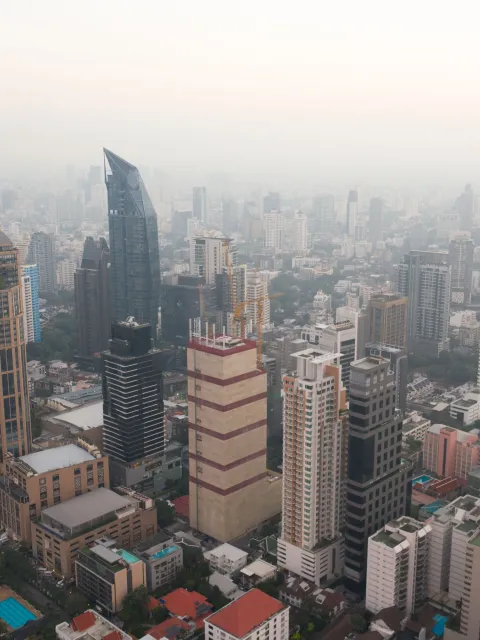
While Delhi has been ranked among the top 10 most polluted cities in the world, Urvashi is careful not to attribute her own cancer to air pollution, even though. The cause of an individual’s cancer cannot be established simply from where they live or the air they breathe. She argues, however, that uncertainty about an individual case should not obscure evidence of increased risk across a population.
“We cannot say that someone developed cancer because they breathed polluted air, but we know that pollution elevates the risk,” she says. “We need to recognise that, without immediately becoming defensive about what the evidence means.”
The issue extends beyond outdoor air. Indoor air pollution from cooking fuels, including firewood, can disproportionately affect women who spend time cooking in poorly ventilated spaces. Tackling these exposures requires practical alternatives, public information, and policies that make cleaner choices accessible.
Making the health impact visible
In major Indian cities such as Delhi and Mumbai, awareness of air pollution is growing in some sections of the population. But Urvashi says concern often peaks when pollution becomes visibly severe, particularly during winter, and fades when the haze clears.
“The challenge is making people understand that pollution may be harming their health even when they cannot see an immediate effect,” she says. “It can affect them, their children, or people who are already living with an illness. We need to make that impact tangible.”
Earlier this year, she established an initiative focused on air pollution and health, the PAVANA Centre for Air Pollution and Environmental Health. One of its aims is to quantify the effects of a severe pollution season, including the impact on healthcare, tourism, and families who temporarily leave Delhi because of poor air quality. Better evidence of these costs, she believes, could strengthen the case for government action.
She also wants environmental health to become a more integral part of public health education and healthcare. Schools could help children influence attitudes at home, while health workers need support to recognise environmental exposures as a relevant risk factor. Governments, meanwhile, can strengthen enforcement of pollution regulations, promote cleaner cooking fuels, invest in public transport and healthier urban spaces, and ensure that the transition to cleaner vehicles is affordable.
Better links between air-quality monitoring and health data would also help, Urvashi says, building on evidence reports, such as UICC’s Clean air in cancer control. Public-facing dashboards that explain what measures such as PM2.5 and the Air Quality Index mean for health could make complex information easier to understand and act upon.
For Urvashi, the underlying message is that cancer prevention cannot rest entirely on asking individuals to change their behaviour. It must also address the conditions that shape their health.
“This is not just a problem for 20 years from now,” she says. “It is affecting people today. We need to recognise the risks and act before the damage becomes visible, when it will take a lot more resources to address, both in health and economic costs.”
Last update
Wednesday 04 November 2026