
Clean air in cancer control series
Exposure to air pollution can lead to cancer, stroke, respiratory, cardiovascular diseases and other health issues. Nearly half of lung cancer cases in people who have never smoked are estimated to be related to air pollution.

Exposure to air pollution is among the leading factors that increase the risk of developing and dying from cancer, yet it is still often missing from cancer control policies and advocacy efforts around the world. To help address this gap, UICC is launching a series of virtual dialogues to share new evidence, discuss policy solutions, and support cancer organisations to advocate for cleaner air and promote healthier living as a cancer prevention priority.
This series launches two new UICC reports:
- Clean air in cancer control: A summary of the evidence
- Clean air and cancer control: A policy and advocacy guide for cancer advocates
Together, the sessions will aim to strengthen understanding of the links between air pollution and cancer, explain what the evidence means for cancer and environmental organisations, and discuss how the cancer community can contribute to clean air advocacy at national and global levels.
Virtual Dialogue - Using the law to reduce air pollution: opportunities for cancer prevention and health equity

Virtual Dialogue: The evidence on air pollution and cancer
Virtual Dialogue: Policy change to bring down air pollution
Virtual Dialogue: Building a common agenda on cancer and clean air
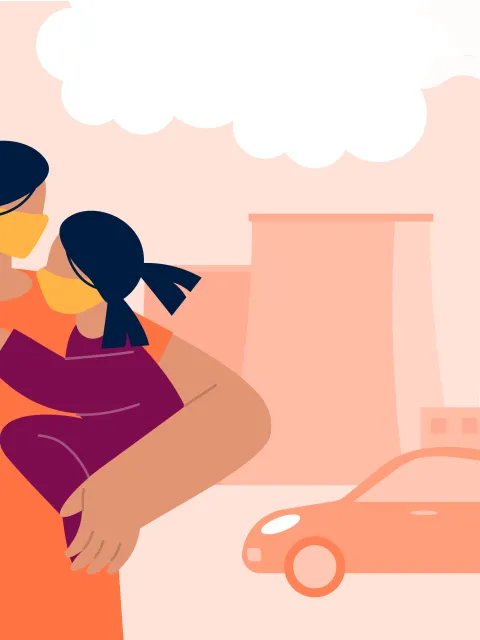
Exposure to air pollution can lead to cancer, stroke, respiratory, cardiovascular diseases and other health issues. Nearly half of lung cancer cases in people who have never smoked are estimated to be related to air pollution.
Cancer and air pollution
Download social media materials on cancer and air pollution.
Last update
Tuesday 07 April 2026