
2026–2028 Board of Directors and President-elect profiles
At the General Assembly held on 20 October 2026, UICC full members welcomed the new President, Zainab Shinkafi-Bagudu, and voted for the 2026–2028 Board of Directors, including the new President-elect, CS Pramesh.

UICC President-elect
- CS Pramesh – India

CS Pramesh
Director, Tata Memorial Hospital / Convener, National Cancer Grid
Tata Memorial Hospital / National Cancer Grid
Mumbai, India
Dr CS Pramesh is Director of the Tata Memorial Hospital and Professor and Head of Thoracic Surgery at Tata Memorial Centre, Mumbai, one of the world's largest comprehensive cancer centres. A surgical oncologist, researcher, and health systems leader, he is recognised internationally for advancing access, quality, and equity in cancer care, particularly in low- and middle-income countries.
Dr Pramesh serves on the Board of Directors of UICC and ASCO. He is Convener of the National Cancer Grid, a network of over 400 cancer centres, research institutions, and patient advocacy groups across India and partner countries, working to reduce disparities through standardisation, capacity building, research, and collaboration.
A strong advocate for equitable cancer control, Dr Pramesh has focused his career on ensuring access to high-quality cancer care regardless of geography or income. His work spans cancer policy, health systems strengthening, implementation science, value-based care, and overcoming barriers to access. He has led several national and international collaborations to improve cancer outcomes at scale.
Dr Pramesh serves on advisory groups and expert committees for WHO, ASCO, ESMO, and UICC. In recognition of his contributions to global cancer control, he received the Rachel Pearline Award for Global Cancer Research Humanitarianism from the National Cancer Institute. His leadership continues to focus on building stronger, more equitable cancer systems worldwide.
Why would you like to be UICC President?
My motivation to serve as President of the Union for International Cancer Control is rooted in a lifelong commitment to improving outcomes for people affected by cancer, and a firm belief that global collaboration is essential to achieving this goal. Cancer is increasingly a global challenge, with rising incidence, widening inequities, and growing pressures on health systems. At the same time, unprecedented opportunities exist through advances in science, technology, implementation research, and international cooperation. UICC occupies a unique and indispensable position at the intersection of these opportunities and challenges. As the world's largest and most diverse cancer organisation, it brings together a global community united by a common purpose. I would be honoured to lead UICC in strengthening its impact, amplifying the collective voice of its members, and helping translate global ambition into measurable improvements in cancer outcomes.
I believe I am well positioned to serve as President because of the breadth of experience I bring across clinical care, research, health system strengthening, policy, and global oncology. As Director of Tata Memorial Hospital, one of the world's largest comprehensive cancer centres, I have had the privilege of leading a complex organisation that delivers high-quality patient care while advancing research, education, and innovation. My work has consistently focused on building systems rather than isolated programmes, recognising that sustainable progress in cancer control requires coordinated efforts across the entire continuum of care.
A defining aspect of my career has been the creation and strengthening of collaborative networks. Through leadership roles in India's National Cancer Grid, I have helped bring together hundreds of cancer centres to improve quality, access, education, and research at scale. This experience has taught me how to align diverse stakeholders around shared goals, build consensus, navigate complexity, and deliver tangible outcomes across large and heterogeneous settings. These are skills directly relevant to leading UICC's global membership and advancing its strategic priorities.
My international experience has further shaped my perspective. Over the years, I have worked closely with colleagues and institutions across high-, middle-, and low-income countries, contributing to initiatives focused on capacity building, implementation science, research collaboration, and health system strengthening. Through programmes such as CReDO and other international partnerships, I have seen both the remarkable diversity of cancer challenges and the common aspirations that unite the global cancer community. These experiences have reinforced my belief that solutions must be locally relevant while benefiting from global learning and solidarity.
My engagement with UICC has given me a deep appreciation of its unique strengths and potential. I have contributed to UICC activities through leadership, advocacy, and participation in strategic initiatives, and have witnessed firsthand its ability to convene stakeholders, influence policy, and foster collaboration across regions and sectors. UICC's commitment to equity, capacity building, knowledge sharing, and global advocacy closely aligns with my own professional values and priorities.
Looking ahead, I see several areas where I can help UICC make an even greater impact. First, I believe UICC can further strengthen its role as the leading global advocate for equitable cancer control. As cancer becomes an increasingly important global health and development challenge, UICC must continue to elevate the voices of its members and ensure that cancer remains high on national, regional, and global policy agendas.
Second, I would like to help accelerate UICC's efforts in health system strengthening. Many countries are struggling not only with growing cancer burdens but also with the challenge of delivering high-quality, affordable, and sustainable care. Drawing on my experience in building collaborative networks and strengthening cancer systems, I would work to position UICC as a catalyst for practical solutions that support countries at different stages of development and system maturity.
Third, I believe UICC can play an even greater role in connecting innovation with implementation. Advances in diagnostics, therapeutics, data science, and artificial intelligence offer enormous promise, but their benefits remain unevenly distributed. UICC has an opportunity to help ensure that innovation translates into improved outcomes globally, particularly in low- and middle-income countries where the need is greatest.
Finally, I am passionate about strengthening the global cancer community itself. UICC's greatest asset is its membership. I would seek to foster deeper engagement, greater collaboration, and stronger partnerships across disciplines, sectors, and geographies. By creating opportunities for shared learning and collective action, we can amplify our impact far beyond what any single organisation could achieve alone.
If elected President, I would bring strategic vision, collaborative leadership, international experience, and an unwavering commitment to UICC's mission. Together with our members, partners, and stakeholders, I would work to build a stronger, more connected, and more influential UICC—one that continues to lead the global effort against cancer and helps ensure that every person, everywhere, has the opportunity to benefit from advances in cancer prevention, diagnosis, treatment, and care.
UICC Board of Directors
Listed alphabetically by last name – click on their name in the accordions below for their full profile and video message when available.
- Matti Aapro – Switzerland
- Zipporah Ali, Kenya
- Stella Bialous, United States of America
- Maira Caleffi, Brazil
- Fatima Cardoso, France
- Hesham Elghazaly, Egypt
- Jesper Fisker, Denmark
- Todd Harper, Australia
- Julia Ismael, Argentina
- Christopher Jackson, New Zealand
- Sri Navaratnam, Canada
- Christian Ntizimira, Rwanda
- Kathleen Schmeler, United States of America
- Han-Kwang Yang, South Korea
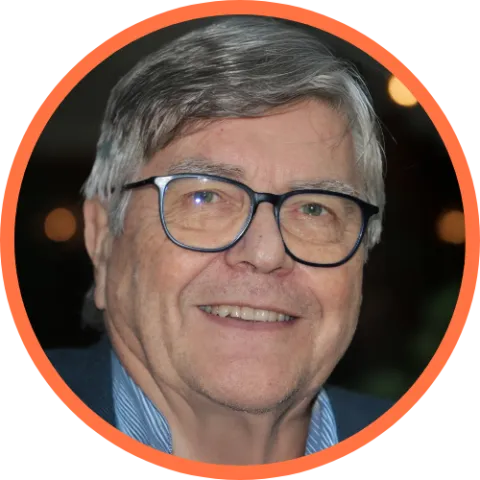
Matti Aapro
Oncologist, Board Member (Genolier Cancer Center) / President (Sharing Progress in Cancer Care (SPCC))
Genolier Cancer Center / Sharing Progress in Cancer Care (SPCC)
Collonge–Bellerive, Switzerland
Matti Aapro is a medical oncologist at the Genolier Cancer Centre, Switzerland, President of Sharing Progress in Cancer Care (SPCC), Past-President of All.Can, past member of the Advisory Board of the European School of Oncology (ESO), and member of the Board of the Union for International Cancer Control (UICC), Past-President of the European Cancer Organisation. He received his medical degree from the Faculty of Medicine of Geneva, Switzerland, and was a fellow at the Arizona Cancer Centre in Tucson, USA. He was the founding Chair of the Medical and Radiation Therapy Department at the European Institute of Oncology in Milan, Italy.
Dr Aapro’s major interests are breast cancer, cancer in older people (he helped create the International Society for Geriatric Oncology (SIOG)), supportive care, and access to treatment. A former Board member of the European Organisation for Research and Treatment of Cancer (EORTC) and Past-President of the Multinational Association for Supportive Care in Cancer (MASCC) and counsellor to JASCC (Japan) and RASCC (Russia), Dr Aapro was a member of the board of the European Society for Medical Oncology (ESMO) and received the recognition of Fellow of ESMO in 2023. He chaired the scientific and organising committees of UICC’s World Cancer Congress in 2008 for the Geneva Congress. He supported the 2010 UICC Shenzhen Congress committee and continues to be in contact with the Chinese Anti-Cancer Association (CACA). He works closely with Oncodaily.
Why would you like to be on the UICC Board of Directors?
UICC is a leader in the international cancer area. To be a Board member of UICC has been an opportunity to help so many who work to prevent cancer, detect it early, permit access to all treatments, and above all, listen to the person's diverse needs in a constantly changing world. I have been privileged to work with UICC for many decades, and have been on the Board or directed many important societies, and to have thus developed an understanding of cancer policy and its many aspects. The network of colleagues that I can reach will help me in continuing to support UICC's members, addressing primarily breast cancer, supportive care, and access to surgical, radio-oncological, and medical treatment. And, most importantly, support the prevention of cancer, through the constant efforts of UICC and its members to abolish tobacco use and address the causes of obesity. My priorities will be your priorities, as determined by the General Assembly and the discussions of the Board with UICC's team. UICC has demonstrated that it can adapt its policy as needed, in collaboration with many stakeholders. The high-level interventions of UICC and other leading organisations have brought and will bring positive changes in the life of citizens, decreasing cancer risk and improving the use of limited budgets in priority areas, which are diverse between continents, within continents, between countries, and within countries. Together we will continue to work to achieve the goals set by WHO and UICC.
What makes you a good candidate for the UICC Board of Directors?
It is a great honour to be able to present myself to the election of UICC’s Board of Directors. True when I was first elected, and true today, I believe I can continue to bring many skills and international experience to the UICC Board of Directors, where all together we can direct the Organisation along the road traced by the General Assembly. In the past two terms, it has been a pleasure to work in many languages alongside distinguished and motivated colleagues in order to advance cancer control worldwide. The expected challenges have become more complex as political and humanitarian crises develop even more. But in many areas there has been progress, as in Europe with the Beating Cancer Plan, which has many initiatives that can inspire other continents. Together, joining forces to speak loud and clear to those who take crucial decisions, we should be able to strengthen the work of UICC in the next years. UICC is a key partner of major organisations like WHO, and works with many groups and societies dedicated to the prevention of cancer, its treatment, and the support of people with cancer worldwide. Thanks to you, its members, UICC can influence key stakeholders and promote actions that you ask for in the General Assembly and during frequent interactions. As Board member, I will help this to happen, with the support of all the other Board members, President Zainab Shinkafi-Bagudu, and the great team directed by Cary Adams.
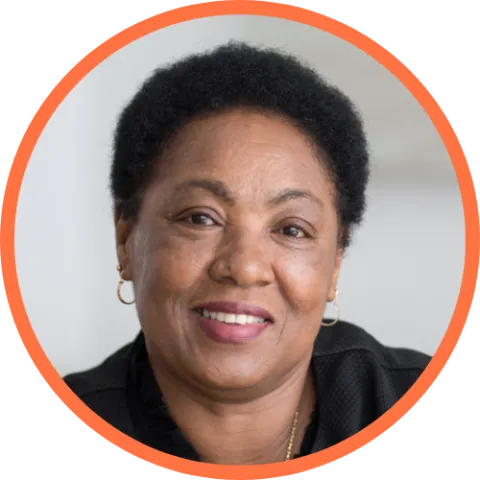
Zipporah Ali
Palliative Care Physician / Public Health Specialist
African Palliative Care Association / Kenya Hospices and Palliative Care Association boards
Nairobi, Kenya
Zipporah Ali was instrumental in setting up the Kenya Hospices and Palliative Care Association (KEHPCA) and worked as its executive director for 15 years until her retirement in 2021. Before that, she worked as the senior medical officer at the Nairobi Hospice for 15 years. She currently serves on the boards of KEHPCA and the African Palliative Care Association. She is an active member of the Kenya Society of Haematology and Oncology and co-chairs its Outreach Subcommittee, the Nairobi City Executive Committee – City Cancer Challenge, and the Africa Cancer Survivorship ECHO.
She continues to be involved in awareness and advocacy on pain relief, palliative care, and universal health coverage for all. In her leadership role as executive director for KEHPCA, she was very instrumental in fostering strong relationships with the Ministry of Health to integrate palliative care into government hospitals, and advocating for palliative care to be included in undergraduate medical and nursing schools in Kenya.
She is a strong advocate for cancer prevention, control, and treatment. She was instrumental in developing the first National Cancer Control Strategy, and the National Guidelines for Cancer Management. She has been involved at the World Health Assembly (Geneva), and the UN High-Level Meetings on non-communicable diseases.
She is currently a co-investigator in research titled “An integrated community-clinic model of optimised implementation strategies to increase early detection of breast and cervical cancers in selected counties in Kenya.”
Why would you like to be on the UICC Board of Directors?
I strongly believe in UICC’s mission – shaping global cancer advocacy and driving equitable access to care. I want to be part of the global movement and work closely with other professionals to bring a positive impact, where cancer is no longer a death sentence.
I have worked in the cancer space for over 30 years as an advocate, a trainer, and a service provider (as a palliative care physician). I have gained extensive knowledge, skills, and understanding working with policymakers, professionals, communities, people living with cancer, and their loved ones, that I believe will be beneficial to UICC’s global impact, especially in advocating for palliative and survivorship in low- and middle-income countries.
Some of the objectives I would like to achieve include: a world where all people living with cancer have access to the best quality of care (life) across the continuum of cancer care, including palliative care, pain relief, and survivorship care; a world that recognises and embraces those with lived experience in cancer planning.
I am interested in universal health coverage, improving access to essential medicines for cancer care across the continuum, in particular, access to pain relief and other essential palliative care medications – through equitable care and health systems.
I am interested in cancer prevention, particularly in creating awareness, prevention, early screening, and treatment of the common cancers killing women in my country – breast and cervix.
I have presented and spoken in workshops at UICC conferences, and abstract review.
What makes you a good candidate for the UICC Board of Directors?
I am passionate about people.
I have been involved at the national, regional, and global levels in advocating for cancer care. I have been instrumental in participating in all the National Cancer Control strategies in Kenya, ensuring that palliative and survivorship care is included in our strategies and treatment guidelines. I was part of the technical working group that drafted the first cancer bill in Kenya. I was also very instrumental in pushing for a palliative care policy in Kenya and palliative guidelines.
I have experience in national, regional, and global boards. I currently serve on the African Palliative Care Association and the Kenya Hospices and Palliative Care Association boards, as well as the Nairobi City Cancer Challenge Executive Committee. I am also an advisor for the MSF Canada: Transformational Investment Capacity project, supporting palliative care projects. I am a past chair of the NCD Alliance-Kenya. I believe my experiences on these boards will be resourceful to the UICC board.
As the executive director of KEHPCA, it was my responsibility to build networks and partnerships with local, regional, and global organisations, development partners, and our national government. I was responsible for the success of the organisation, which included fundraising to ensure sustainability. I also ensured that KEHPCA was an associate member of UICC.
I have the time needed to serve on the UICC board.
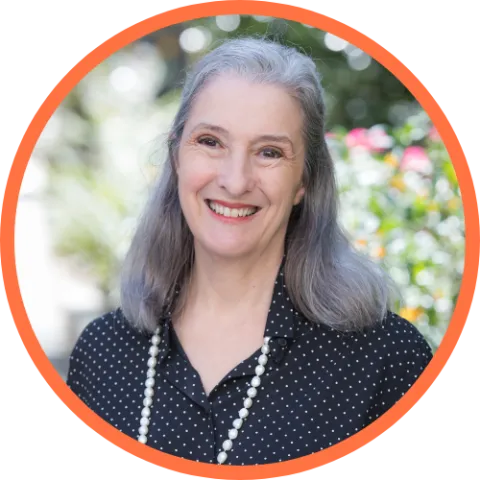
Stella Bialous
Professor
University of California, San Francisco
San Francisco, United States of America
Stella Bialous received her Nursing degree from the Federal University of Rio de Janeiro, Brazil, and her Master’s in Nursing Sciences from The Johns Hopkins University. She holds a Doctorate in Public Health from the University of California, Berkeley. She has been an active member of the International Society of Nurses in Cancer Care, serving as President of the Society and in other leadership roles.
She began her career as a nurse in Brazil and later transitioned to the United States, focusing on public health and health policy. She has had the privilege of working with the World Health Organization and the Secretariat of the Framework Convention on Tobacco Control, which has enabled her to collaborate with colleagues in countries across all regions in advancing tobacco control and implementation of the Convention. She has also engaged in capacity building of nurses worldwide to support their engagement in policy and leadership.
Stella Bialous is currently a Professor at the University of California, San Francisco, where she teaches and conducts research locally and globally, most recently on the integration of non-communicable disease risk factors into communicable diseases primary care. She has published widely on issues related to tobacco control policy and programmes, tobacco dependence treatment, capacity building for care across the cancer continuum, and the impact of commercial determinants of health on human and planetary health. She has served on the UICC Board of Directors for the past four years.
Why would you like to be on the UICC Board of Directors?
Serving on the Board of Directors these past four years has been an incredible privilege. I have brought my extensive experience working across continents to the Board, and my expertise in policy analyses. I have had the opportunity to participate in the review and development of plans for the organisation for the next ten years, including the World Cancer Declaration 2025–2035. This was based on membership feedback, and has already led to new initiatives being launched.
As we move into the next steps of supporting the implementation of the Declaration, I would like to continue to bring my skills in policy and advocacy, including the translation of evidence into policy practice, to the Board and to support UICC members.
I would also like to continue to be a voice for nurses, the largest group of health care professionals in the world, and pivotal for the achievement of the Declaration Goals. Nurses will be at the forefront of primary prevention, early detection, and policy leadership, and I hope to contribute to the development of strategies that will strengthen nurses’ engagement. Policies that support and sustain system changes will be essential, and they need to be based on the best available evidence.
My experience and expertise in policy development and evaluation will continue to be an asset to the Board. If elected, I hope to continue to work in Capacity Building, and Policy and Advocacy Areas, where I can best contribute to the work of UICC on behalf of its membership.
What makes you a good candidate for the UICC Board of Directors?
I have over 30 years of experience working internationally in a range of spaces. I have successfully worked with government, non-government, and academic organisations in high-, middle-, and low-income countries.
As a native Brazilian who lives in the United States, but works globally, I have had the opportunity to develop advanced skills to be effective in multicultural, multidisciplinary settings. Global Health Diplomacy is increasingly necessary to achieve common health and development goals, and my background and work history has prepared me, and continues to prepare me, to offer insightful and sensitive feedback to the work of UICC on behalf of its members, especially nursing professionals.
Additionally, my skills in the area of policy development, implementation, and evaluation can significantly contribute to the work of UICC on behalf of its members, as UICC seeks to contribute to the global cancer care agenda, and to strategically implement the Goals of the World Cancer Declaration. And last, but not least, I am fluent in Portuguese, French, English, and Spanish, which facilitates the building of connections and relationships across a significant portion of the globe.
I believe my commitment to UICC’s mission, and the seriousness with which I take my role on the Board, are indications that I do not take this privilege lightly and will continue to make contributions to the organisation, and importantly, to the membership with renewed commitment.
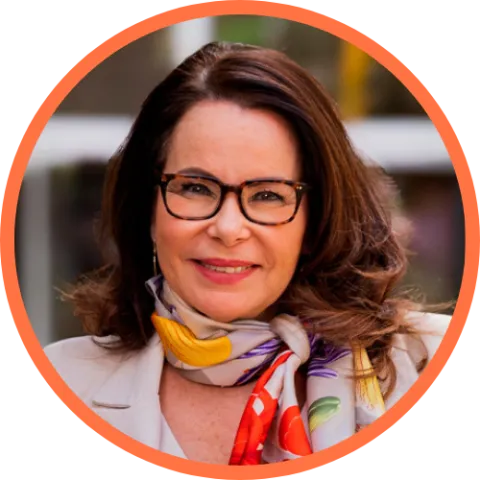
Maira Caleffi
Founder and Permanent Member of the Board of Directors
FEMAMA
Porto Alegre, Brazil
Dr Maira Caleffi, MD, PhD (University of London), is a breast surgeon, healthcare leader, and internationally recognised advocate for cancer control and patient-centred care. She completed postdoctoral training in genetics and cancer at Vanderbilt University, USA, and has dedicated her career to advancing equitable access to cancer prevention, early detection, diagnosis, treatment, survivorship, and supportive care.
Based in Brazil, Dr Caleffi is Head of the Breast Unit and Prevention Programmes at Hospital Moinhos de Vento, Founder and Chair of FEMAMA, and a member of the UICC Board of Directors. She also serves as President of the IGCC Board, Chair of the EAC of IEEPO, a member of the BCCC, and a board member of the Global Surgery Foundation.
Throughout her career, she has worked with governments, healthcare institutions, civil society organisations, and international partners to strengthen cancer control policies, improve health systems, and expand access to quality care. Her leadership has advanced innovative models integrating clinical excellence, public health, implementation science, and patient engagement.
A respected voice in the global cancer community, Dr Caleffi has played an active role in initiatives focused on health equity, reducing disparities in cancer outcomes, and advancing sustainable cancer control strategies. She advocates for ensuring that patient perspectives inform policy development and healthcare decision-making.
Why would you like to be on the UICC Board of Directors?
I am seeking election to the UICC Board of Directors because I believe this is a pivotal moment for the global cancer community. While advances in science and technology continue to transform cancer care, millions still lack access to timely diagnosis, quality treatment, and supportive care. UICC plays a unique role in bringing together stakeholders to address these inequities, and I would be honoured to contribute to that mission.
As a breast surgeon, cancer advocate, and health system leader from Latin America, I have spent more than two decades working across clinical care, policy, implementation, and patient advocacy. Through collaboration with governments, civil society, academic institutions, and international organisations, I have gained experience translating evidence into action and building partnerships that drive sustainable change.
If elected, I would focus on strengthening UICC’s work in health equity, patient-centred care, early detection, and health system implementation. I am committed to ensuring that patient and frontline healthcare professional voices are reflected in global cancer policies and programmes.
My objective is to accelerate effective cancer control strategies, particularly in low- and middle-income countries, while fostering collaboration across regions and disciplines. Having engaged with UICC initiatives and networks, I am committed to contributing my experience and international perspective to advance UICC’s vision and impact worldwide.
What makes you a good candidate for the UICC Board of Directors?
I believe I am a strong candidate for the UICC Board because I bring a unique combination of clinical expertise, health system leadership, international collaboration, and patient advocacy.
As a breast surgeon and healthcare leader, I have firsthand experience of challenges people face across the cancer continuum – from prevention and early detection to treatment, survivorship, and palliative care. My career has been dedicated to delivering high-quality care and improving systems that enable better outcomes.
I have worked at national, regional, and global levels, collaborating with governments, professional societies, academic institutions, patient organisations, and international partners. These experiences provided a broad understanding of cancer control and the importance of translating commitments into action.
Throughout my career, I have led multidisciplinary initiatives, built strategic partnerships, and advocated for policies that improve access to care and reduce disparities. I am comfortable working across cultures and sectors to achieve common goals.
Importantly, I bring the perspective of Latin America, a region with innovation and expertise, but also substantial unmet needs in cancer care. This perspective can contribute meaningfully to UICC’s commitment to equity and global representation.
My leadership style is collaborative, inclusive, and action-oriented, and I am committed to helping UICC strengthen its role in uniting and empowering the global cancer community.
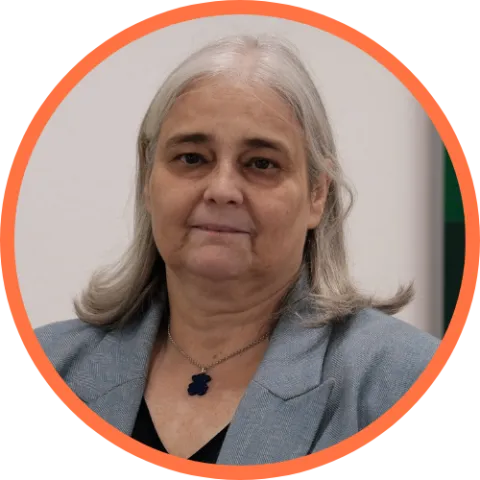
Fatima Cardoso
President
Advanced Breast Cancer (ABC) Global Alliance
Nice, France
Why would you like to be on the UICC Board of Directors?
I would like to join the UICC Board to continue moving the cancer agenda forward. In particular, I would like to be the voice for those living with metastatic/advanced cancers and their families.
Currently, in low- and middle-income countries, the proportion of patients diagnosed at an advanced stage can reach 60–70%, and in high-income countries, even when diagnosed early and adequately treated, a substantial number of patients will develop metastatic disease (25–30% for breast cancer).
These patients have been forgotten for too long, and have very specific needs. This situation motivated me to fund and lead the ABC Global Alliance, and the ABC Consensus Conference and Guidelines.
This work has equipped me with deep knowledge and recognised expertise. A major unmet need for these patients is equal access to timely diagnostics (imaging, biomarker, high-quality pathology), optimal treatment and innovation, but also evidence-based, high-quality multidisciplinary care.
Their needs must be included in all National Cancer Plans. Currently, I am working for policy changes to improve care, psychosocial and financial protection for patients with advanced cancers at European level.
I believe UICC is the ideal platform to promote these much-needed policy changes at global level, which will lead to true people-centred care and health systems strengthening, ultimately improving outcomes for cancer patients worldwide.
What makes you a good candidate for the UICC Board of Directors?
UICC is recognised for convening diverse players to address cancer control. With my strategic vision, international perspective, and leadership experience, I believe I would be a good addition to its Board, striving to develop and implement its priority areas, while fostering collaborations with key stakeholders in the field.
I have long-standing experience and known expertise in global cancer policy, access and equity, as well as deep knowledge of the oncology clinical and research fields. I have served as Board member of ESMO, ECCO and EORTC, and have had/have roles in several committees of leading oncology organisations such as ASCO, ESMO, AACR, ESO, EORTC, and E.C.O.. As a renowned breast cancer expert, and through the work of the ABC Global Alliance, I have collaborated as a trusted partner with global initiatives, including the WHO Global Breast Cancer Initiative (GBCI) and the Lancet Breast Cancer Commissions. Women’s cancers have been the focus of my entire career as an oncologist.
Furthermore, I have been an active contributor to the ATOM Medicines Expert Advisory Group and Country Support Committee, as well as to the UICC Breast Cancer programme.
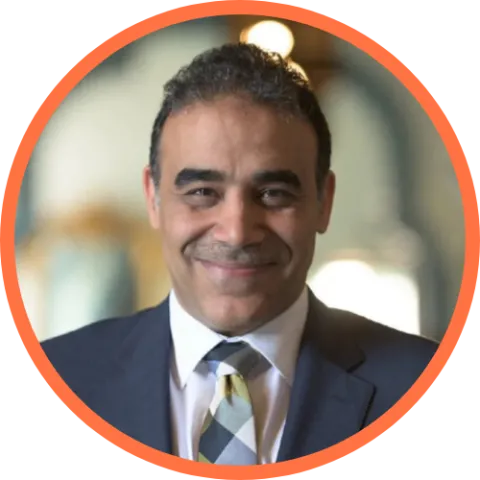
Hesham Elghazaly
President
Egypt Cancer Society
Cairo, Egypt
Hesham Elghazaly, Professor of Clinical Oncology at Ain Shams University, currently serves as Chairman of Egypt’s Presidential Initiative for Women’s Health, which has significantly improved breast cancer screening coverage, reduced diagnostic delays, and enhanced access to timely treatment nationwide.
Prof. Elghazaly is President of the Egyptian Cancer Society, and Director of the Medical Ain Shams Research Institute (MASRI). He is the Founder and Chair of the Breast–Gynaecological International Cancer Conference (BGICC), the largest specialised oncology conference in Africa and the Middle East. Internationally, he is an elected member of the Scientific Board of the International Agency for Research on Cancer (IARC/WHO), and serves on the Board of Directors of the Advanced Breast Cancer (ABC) Global Alliance.
He is also an active member of the General Assembly of the Union for International Cancer Control (UICC), the Breast International Group (BIG), ESMO early breast scientific group, and multiple international scientific and policy committees.
A strong advocate for equity-oriented cancer control, his work focuses on adapting global oncology standards and resource-stratified guidelines to low- and middle-income country settings. Prof. Elghazaly has authored or co-authored more than 150 peer-reviewed publications and book chapters, contributing to international guidelines and consensus statements in cancer care.
He was named among the 100 Most Influential Figures Worldwide in Oncology by OncoDaily.
Why would you like to be on the UICC Board of Directors?
I strongly believe in its mission to reduce the global cancer burden through equity, collaboration, and evidence-based action. I have worked at the intersection of clinical oncology, public health policy, and global advocacy, and I see the UICC Board as a great platform where these dimensions converge to deliver meaningful, measurable impact—particularly for low- and middle-income countries.
My international experience includes serving as an elected member of the Scientific Board of IARC/WHO, Board Member of the ABC Global Alliance, active participation in UICC General Assemblies, and international organisations: ASCO, ESMO, BIG, NCCN-MENA, and AORTIC. I have led multi-stakeholder initiatives, built cross-regional partnerships, and translated global frameworks into scalable national programmes.
My key area would be to continue strengthening UICC’s impact in low- and middle-income countries by supporting implementation of equitable cancer control strategies, advancing resource-stratified guidelines, and reinforcing the science–policy interface. I am committed to improving policies of early detection, access to quality treatment, and survivorship care. I would like to be most actively involved in cancer control policy and advocacy, capacity building, and reducing inequities in cancer outcomes.
My experience leading Egypt’s PIWH, one of the largest population-based cancer screening programmes, has shown me how global principles can be successfully adapted to national contexts when supported by strong governance and partnerships.
What makes you a good candidate for the UICC Board of Directors?
I believe my work uniquely combines national cancer policy leadership with sustained international governance roles, with a strong focus on equity and women’s health.
As Chairman of Egypt’s PIWH, I lead one of the largest population-based women’s cancer programmes in the region, transforming breast cancer control by expanding nationwide screening, shortening diagnostic pathways, and integrating early detection with timely treatment within the public health system.
Leading this initiative has strengthened my experience in large-scale programme governance, multisectoral coordination, monitoring outcomes, and aligning national strategies with global cancer control frameworks—skills directly relevant to UICC Board responsibilities.
Internationally, I have experience in global cancer governance and representation of low- and middle-income countries, such as in IARC/WHO and ABC, representing perspectives in shaping global advocacy and policy agendas. I am also an active member of the UICC General Assembly and have contributed to international clinical guidelines, consensus statements, and policy dialogues across multiple regions.
These roles have equipped me with the ability to bridge science, policy, and implementation, and to translate global recommendations into effective national action.
As a UICC Board member, I would contribute strategic insight from large-scale programmes, strengthen low- and middle-income country representation, and support UICC’s mission to reduce inequities and advance equitable cancer control worldwide.
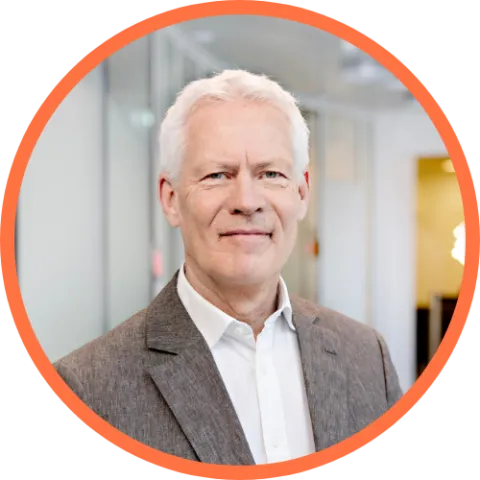
Jesper Fisker
CEO
The Danish Cancer Society
Copenhagen, Denmark
Jesper Fisker is CEO of the Danish Cancer Society, which consists of an international research institute, a prevention centre, and several counselling units for patients and relatives. Previously, he served as Permanent Secretary in several Danish ministries, including the Ministry of Education, the Ministry of the Interior and Health, and the Ministry of Social Affairs, where he led major policy reforms and public institutions.
He works to advance cancer control policies and strengthen healthcare systems, aiming to improve the lives of people affected by cancer.
He has held several board positions, including membership of the WHO Executive Board, and was appointed by the government to chair Denmark’s Health Structure Commission, where he helped shape effective and sustainable healthcare systems at local, regional, and national levels. He also served as Chair of University College Copenhagen, educating Denmark’s frontline healthcare professionals.
He is a member of the Nordic Cancer Union Board, the European Fair Pricing Network Steering Committee, and the Danish Patient’s Organisation Board. He chairs the LIFE Foundation Board, a non-profit that educates children and young people in science and technology to support future skills in society.
His career combines public sector leadership, organisational governance, and international collaboration, and he is focused on strengthening health systems and advancing cancer control.
Why would you like to be on the UICC Board of Directors?
I would be honoured to contribute to UICC’s fight against cancer. As a global leader, UICC brings together governments, patients, and civil society in a unique partnership, creating real change for cancer patients and their relatives globally. I offer experience in health system reform, coalition-building, and public mobilisation.
As CEO of the Danish Cancer Society, I lead Denmark’s largest health NGO, supported by 400,000 paying members in a country of just 6 million (around 1 in 10 adults), and 35,000 volunteers. I drive the organisation’s work across research, prevention, and patient and relative support, as well as advancing cancer control agendas nationally, in Europe, and globally. I oversee the Danish Cancer Institute, the organisation’s world-class research centre, with strong international partnerships.
During my career, I have served as Permanent Secretary in several ministries under successive governments, and collaborated with WHO, the UN, European and Nordic cancer leagues, and the NCD Alliance in East Africa. Other notable engagements include the UICC’s Reimagining Cancer Research in Europe, and the UICC’s Solidarity Fund for Ukraine.
My priorities are:
- advancing tobacco and nicotine endgame strategies,
- improving equitable access to medicines,
- reducing inequalities in cancer prevention, treatment, and care,
- strengthening civil society.
What makes you a good candidate for the UICC Board of Directors?
I have spent most of my life working to make health systems fairer and more transparent, from the halls of government to the heart of civil society. Whether shaping national health reforms or building global partnerships, I have learned that progress in cancer control depends on courage, determination, and a shared conviction that everyone deserves equal access to health care.
Chairing Denmark’s National Health Structure Commission, I gained extensive experience in developing and implementing complex reforms. This work led to Denmark’s most significant healthcare reform in a quarter century. My expertise in strategic thinking and organisational leadership will benefit the incoming UICC Board, helping turn priorities and visions into action.
With my multifaceted background, I have extensive experience working across sectors and levels. By engaging policymakers, healthcare professionals, patient organisations, and civil society, I have built common purpose across perspectives, and ensured that diverse voices are reflected in policy and practice.
Through my collaborations with WHO, the UN, European and Nordic cancer leagues, and the NCD Alliance in East Africa, I have developed extensive international networks, and a strong understanding of the opportunities and challenges facing cancer control across different settings.
I will support and build on the UICC Board’s work, bringing a coalition-driven approach that will help advance UICC’s key priorities.
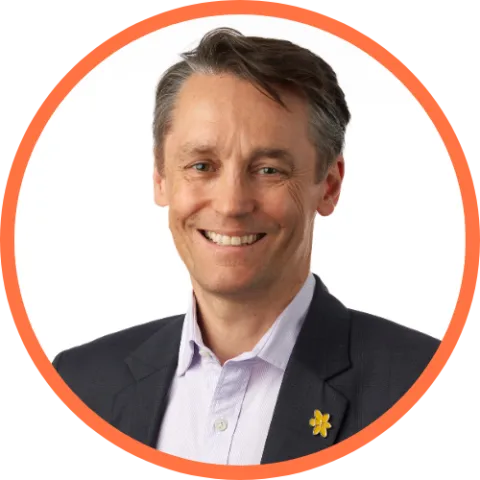
Todd Harper
CEO
Cancer Council Victoria
Melbourne, Australia
Todd Harper AM is a current Board Director with UICC, and is CEO of Cancer Council Victoria, based in Melbourne. He was the UICC nominee for the first NCD Alliance Board, serving from 2017–23, and as President from 2019–21. He chairs the NCD Alliance Grant Oversight Committee. Todd holds a Bachelor’s Degree in Economics, a Postgraduate Diploma in Health Promotion, and a Master’s Degree in Economics.
Todd has led major advances in cancer research, prevention, and support, academic collaborations in economics and cancer, established the McCabe Centre for Law and Cancer, and has been a leading advocate for public health reforms.
Todd has been instrumental in driving transformative public health campaigns, including efforts to reduce the harms of tobacco and vaping, junk food, solariums, and HIV/AIDS. He has also championed bowel screening, cervical cancer and liver cancer elimination, and enhanced supportive care for cancer patients. He was CEO of VicHealth and earlier led Quit Victoria and the Tasmanian Council on AIDS and Related Diseases.
In 2018, he was awarded an Honorary Doctorate by Deakin University for a “willingness to be innovative and brave in advocating for public health.” In 2022, Todd was awarded a Member of the Order of Australia for “significant service to cancer support programmes, and to medical governance.”
He was recently named one of OncoDaily’s 100 Most Influential CEOs in Oncology.
Why would you like to be on the UICC Board of Directors?
We stand at a pivotal moment for global cancer control—building on hard-won progress while facing urgent, emerging challenges.
We have made precious gains in tobacco control, treatment, and support for cancer patients.
We now face a growing cancer burden amid significant challenges to the sustainability of our health and cancer systems—persistent inequities, workforce constraints, financing pressures, AMR, and climate change, to name a few.
My commitment to UICC and the global community is to advance our collective goals for universal health coverage, prevention and screening, and empowering cancer patients through enhanced supportive care and navigation.
Having worked for decades in cancer prevention, I am driven by the collective capacity of our organisations to share expertise and programmes to transform outcomes and push back against the influence of the tobacco, junk food, and alcohol industries.
I have seen the impact of supportive care and navigation; with rising costs, diagnoses, and workforce constraints, these must remain priorities for cancer control. I understand how population strategies in media, law, policy, and economics lift outcomes and reduce inequities—and how sharing expertise accelerates this work.
I am committed to UICC’s UHC advocacy, vital for improving equity, effectiveness, and value for money in our health care systems, and to ensuring new technologies are accessible to all.
What makes you a good candidate for the UICC Board of Directors?
My experience in advocacy, programme delivery, executive leadership, and governance equips me to advance UICC’s mission and the priorities of its diverse global membership.
Over 25+ years, I have led impactful public health and cancer advocacy across organisations including Cancer Council Victoria, Quit, VicHealth, and the NCD Alliance, with a focus on translating evidence into policy and population-level change.
As CEO of Cancer Council Victoria since 2011, I have overseen integrated work in research, prevention, support, and advocacy—delivering measurable impact in tobacco control, cancer screening, early detection, and public education on risk factors such as smoking, SunSmart, and healthy eating, alongside major campaigns in bowel, liver, and cervical cancer.
I bring a strong commitment to equity and to strengthening cancer control in low- and middle-income countries, recognising the disproportionate burden of cancer and the need for capacity building, sustainable partnerships, and knowledge exchange across UICC’s membership.
I offer a strong track record of global engagement and governance: current UICC Board Director, Chair of the NCD Alliance Grant Oversight Sub-Committee, former NCD Alliance President and Director (2017–23), and host of the 2025 World Cancer Leaders’ Summit in Melbourne.
I am committed to ensuring all members—across regions and resource settings—are supported to drive equitable progress in cancer prevention, treatment, and care.
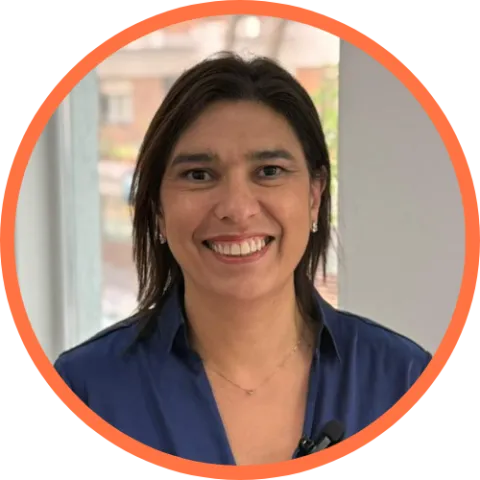
Julia Ismael
Scientific and Technical Director | Clinical Oncologist and Health Policy Researcher
ILACC – Latin American Initiative for Cancer Control
Caba, Argentina
Julia Ismael MD, MPH, is a clinical oncologist, health policy researcher, and Scientific and Technical Director of the Latin American Initiative for Cancer Control (ILACC). She previously served as Director of Argentina's National Cancer Institute, leading the development and implementation of national cancer control strategies and health system strengthening initiatives.
With more than 20 years of experience across clinical practice, public policy, academia, and civil society, she has worked extensively on improving cancer outcomes in low- and middle-income countries, promoting equitable access to quality cancer care, and advancing patient-centred approaches to cancer control.
Dr Ismael is actively involved in several international initiatives, including Women in Global Health Argentina, Women for Oncology Latin America, All.Can Argentina, and City Cancer Challenge collaborations. Her work focuses on cancer control, health systems strengthening, implementation science, health equity, digital transformation, and the use of data to improve decision-making and outcomes. She advocates for equitable cancer care and stronger cancer control systems in low- and middle-income countries.
She has contributed to regional and global projects addressing access to innovation, gender equity in oncology, patient experience, and national cancer control planning. Through her leadership across sectors, she seeks to bridge policy, practice, and innovation to advance equitable cancer care.
Why would you like to be on the UICC Board of Directors?
I am seeking election to the UICC Board because I believe effective cancer control depends on stronger links between global strategies and local implementation. Throughout my career—as a clinician, health policy researcher, civil society leader, and former Director of Argentina’s National Cancer Institute—I have worked to translate evidence into practical solutions that improve cancer outcomes and strengthen health systems.
I would bring to the Board extensive experience from Latin America and other low- and middle-income countries, contributing to national cancer control planning, health system strengthening, patient-centred care, digital transformation, and collaboration among governments, professional societies, patient organisations, academia, and industry.
As a Board member, I would support UICC’s mission by advancing initiatives that strengthen health systems, reduce inequities, expand access to innovation, and promote meaningful patient engagement. I am particularly committed to ensuring that the perspectives and needs of low- and middle-income countries are reflected in global cancer control priorities and actions.
I have actively contributed to the UICC community through collaborations, educational initiatives, and advocacy efforts. Serving on the Board would be an opportunity to contribute strategically to the next phase of UICC’s work, while bringing a strong commitment to partnership, evidence-informed decision-making, and inclusive leadership.
What makes you a good candidate for the UICC Board of Directors?
I believe I am a strong candidate for the UICC Board because I bring a unique combination of clinical, policy, academic, and civil society experience, together with a strong commitment to advancing equitable cancer control globally.
As a clinical oncologist and former Director of Argentina’s National Cancer Institute, I have worked across the full spectrum of cancer control—from patient care to national policy development and implementation. This experience has given me a practical understanding of the challenges faced by health systems, particularly in low- and middle-income countries, and the importance of translating evidence into action.
Throughout my career, I have built partnerships across governments, professional societies, patient organisations, academia, and industry to advance cancer prevention, early detection, treatment, survivorship, and health system strengthening. My current role as Scientific and Technical Director of the Latin American Initiative for Cancer Control (ILACC) has further strengthened my regional perspective.
I have also contributed to international initiatives focused on health equity, patient-centred care, women’s leadership, access to innovation, and strengthening cancer control capacity globally.
I would bring to the Board the perspective of a leader who has worked across government, civil society, academia, and healthcare delivery, translating cancer control policies into real-world implementation in low- and middle-income settings.
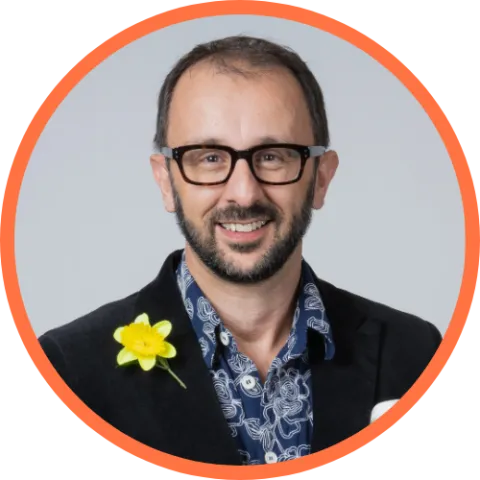
Christopher Jackson
Professor of Oncology
University of Otago
Dunedin, New Zealand
Chris Jackson is a medical oncologist, Professor of Medical Oncology at the University of Otago, and National Clinical Lead for Cancer Services in New Zealand. Throughout his career, he has worked across clinical care, research, advocacy, and health system leadership, with a strong focus on translating evidence into policy and improving equitable access to high-quality cancer care.
Previously, he served as Medical Director of the Cancer Society of New Zealand, where he helped lead advocacy efforts that contributed to the establishment of New Zealand’s national cancer control agency. He has also worked extensively in quality improvement, cancer service redesign, and national cancer policy.
Over the past two years, he has had the privilege of serving on the UICC Board of Directors and contributing through the Knowledge, Advocacy and Policy Committee, the Finance, Audit and Risk Committee, the Congress Committee, and the Scientific Committee for the 2026 World Cancer Congress.
Beyond UICC, Chris is actively involved in international collaborations including ASCO, Common Sense Oncology, the International Cancer Benchmarking Partnership, and London Global Cancer Week. These experiences have reinforced his belief that meaningful progress in cancer control comes from collaboration, shared learning, and a commitment to turning ideas into action.
He is proud to be the first New Zealander elected to the UICC Board. While he is a Kiwi, that is his nationality, and he is not a fruit. :)
Why would you like to be on the UICC Board of Directors?
Serving on the UICC Board has been very rewarding, and I believe I have contributed strongly. I am seeking re-election because I believe I can continue to make a meaningful contribution to UICC and its members.
Over the past two years, I have gained a deep appreciation for both the ambition of UICC and the dedication of its staff, volunteers, members, and partners. Through my work on the Knowledge, Advocacy and Policy Committee, Finance, Audit and Risk Committee, Congress Committee, and the Scientific Committee for the 2026 World Cancer Congress, I have developed a strong understanding of the organisation’s strategic priorities and governance responsibilities.
My professional career has focused on helping translate evidence and advocacy into real-world change. I have worked with governments, cancer organisations, clinicians, researchers, and patient advocates to improve cancer outcomes, and I believe these experiences can continue to add value to the Board.
If re-elected, I would like to support UICC’s ongoing work in advocacy, health systems strengthening, workforce development, and equitable access to care. I am particularly interested in helping UICC strengthen its engagement with governments and policy-makers, ensuring that cancer remains a global health and development priority.
As one of only a small number of current Directors standing for re-election, I can also offer continuity, institutional knowledge, and a commitment to helping the Board function effectively.
What makes you a good candidate for the UICC Board of Directors?
I bring a combination of experiences that is relatively uncommon in global cancer control. I am a practising medical oncologist, academic researcher, health system leader, advocate, and experienced board member. Throughout my career, I have worked at the intersection of science, policy, and implementation, helping translate evidence into real-world improvements in cancer care.
I have advised governments on cancer strategy, led national quality improvement programmes, and worked with cancer organisations, researchers, clinicians, and patient advocates to drive change. This experience has taught me how to build consensus, navigate complexity, and turn ideas into action.
My international networks include ASCO, Common Sense Oncology, the International Cancer Benchmarking Partnership, London Global Cancer Week, and many cancer agencies and professional societies worldwide. These connections allow me to bring diverse perspectives and practical opportunities for collaboration to the Board.
Having already served on three Board committees and the Scientific Committee for the 2026 World Cancer Congress, I can also provide continuity, institutional knowledge, and a strong commitment to UICC’s mission.
As the only New Zealander ever elected to the UICC Board, I bring a perspective from a small country that has learnt the value of partnership, pragmatism, and global collaboration. Small country, terrible time zone, long flight times, but a strong commitment to partnership.
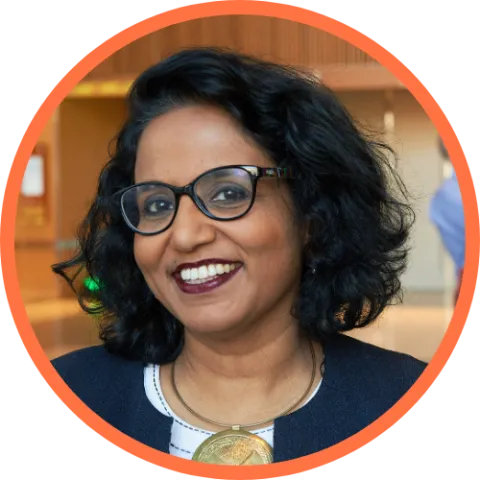
Sri Navaratnam
Medical oncologist / Health system leader
Cancercare Manitoba / University of Manitoba
Winnipeg, Canada
Dr Sri Navaratnam graduated with an MBBS from the University of Jaffna, Sri Lanka, in 1985 and subsequently immigrated to Canada. She completed a PhD in Pharmacology and Therapeutics at the University of Manitoba, followed by specialty training and certification (FRCPC) in Internal Medicine and Medical Oncology.
Since joining CancerCare Manitoba in 1996, Dr Navaratnam has built a distinguished career. As a Medical Oncologist and Professor of Internal Medicine, she focused on lung cancer and led the Thoracic Oncology Program. She later assumed progressively senior leadership roles, including Chair of the Provincial Cancer Pharmacy and Therapeutics Committee, Head of the department, and Chief Medical Officer.
From 2014 to 2025, Dr Navaratnam served as President and CEO of CancerCare Manitoba, providing strategic leadership to the cancer agency and research institute, serving as a key pillar of Manitoba’s health system. During her tenure, she championed patient-centred care, health equity, and innovation while leading more than 1,200 staff. She also served as Chair of the Canadian Association of Provincial Cancer Agencies, advancing collaborative solutions to build better cancer control across Canada.
Following her CEO tenure, Dr Navaratnam has undertaken a sabbatical to focus on health equity through shared learning, research collaboration, programme implementation, and community engagement.
Her guiding vision is a world without borders by closing the gap.
Why would you like to be on the UICC Board of Directors?
I am seeking election to the Board of Directors because the Union for International Cancer Control (UICC) is the leading platform for advancing equitable cancer control worldwide. I am fully committed to applying my experience, leadership, and energy to support its mission.
Over the past 35 years, I have worked across the cancer control spectrum, in clinical, research, academic, and executive leadership roles. I have led a provincial cancer agency as President and CEO, and contributed nationally as Chair of the Canadian Association of Provincial Cancer Agencies. I have worked in low- and middle-income countries supporting capacity building, research, and strategic planning. This experience has given me a strong understanding of inequities, and the challenges faced by diverse health systems.
My leadership approach is implementation-focused and grounded in meaningful engagement with governments, clinicians, researchers, NGOs, and communities to deliver measurable outcomes.
My priorities align closely with UICC’s goals: improving access, strengthening health systems, and advancing early detection. These are areas in which I have extensive experience, including recent collaboration with Cancer Australia on lung cancer screening, and with South Asia on community-based cancer programmes.
I have been involved with UICC through participation in World Cancer Congresses and leadership forums, recently as a panellist on Indigenous health. As a Board member, I would help to accelerate progress toward equitable cancer care globally.
What makes you a good candidate for the UICC Board of Directors?
I believe I am a strong candidate for the UICC Board of Directors because I bring a unique combination of proven leadership, experience, and commitment to health equity.
I have worked across all major pillars of cancer control: clinical care, research, academic, and executive leadership. A strength I bring is my extensive experience within Canada’s universal health care system, including pan-Canadian leadership. This has provided insight into designing and implementing population-based cancer strategies within a publicly funded system.
In parallel, I have over a decade of experience supporting cancer control in low- and middle-income countries, including Sri Lanka, India, and Uganda, through capacity building, strategic planning, research, and community-based programmes. These experiences have given me valuable insight into cancer control across diverse settings.
Throughout my career, I have successfully brought together governments, NGOs, academic institutions, community organisations, and patient voices. This has strengthened my ability to turn diverse perspectives into coordinated system-level impact.
Following 12 years as CEO of a provincial cancer agency, I focused on health equity by collaborating with Cancer Australia on lung cancer screening, engaging with South Asia to implement community cancer programmes, and contributing to equity-focused frameworks in Canada.
If elected, I am committed to advancing UICC’s mission and strengthening global cancer control.
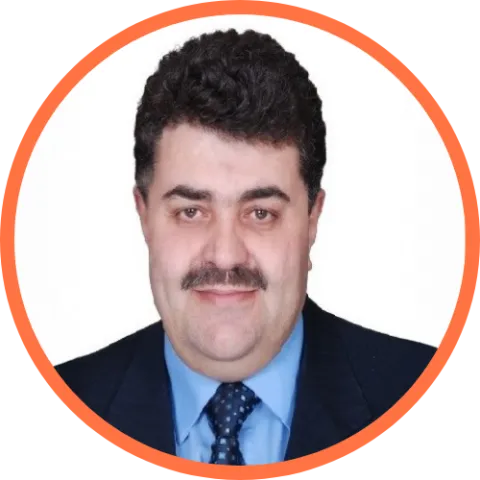
Omar Nimri
President
Jordan Cancer Society
Amman, Jordan
Dr Omar Nimri is a Jordanian physician and public health expert specialising in cancer epidemiology, prevention, and control. He earned his Bachelor of Medicine and Surgery in Pakistan (1990), followed by diplomas in traditional complementary medicine (Sri Lanka, 1991), and advanced training in community medicine, epidemiology, and cancer prevention through programmes in Jordan, the USA, France, and the University of Michigan.
From 1996 to 2002, Dr Nimri served as a general physician in Jordan’s Ministry of Health before joining the Jordan Cancer Registry in 2002. He later became Director of the Registry and Head of the Cancer Prevention and Control Department (2008–2022), leading national strategies and collaborating with international bodies including IARC, WHO, IAEA, UICC, and the Arab League. He has represented Jordan in regional and global initiatives such as the EUROMED Cancer Project and the Izmir Hub Advisory Committee.
Dr Nimri served as an epidemiologist and public health medical doctor at the Jordan Center for Disease Control (JCDC) from 2022 to May 2026. He also serves as President of the Jordan Cancer Society (second term 2026–2028). A prolific researcher, he has authored over 45 international publications, contributed book chapters, and delivered lectures worldwide. His work has been recognised with numerous honours, including a Russian State distinction medal, and he has twice been nominated for regional representation in the IARC-IACR.
Why would you like to be on the UICC Board of Directors?
I want to join the UICC Board because the UICC is the premier platform to unify the international cancer community and reduce the global cancer burden. Joining the Board allows me to shape global health policy, drive resource mobilisation, and influence national cancer control plans. The skills and international experience I bring to the Board—such as strategic leadership, cross-border collaboration, and resource mobilisation—can help to create new financing models to make essential cancer diagnostics and therapeutics affordable globally. I aim to bridge care gaps, support capacity building, and strengthen global advocacy. My relationship and contribution to the UICC go back many years, with ups and downs.
What makes you a good candidate for the UICC Board of Directors?
What makes me as a strong candidate that qualifies me to serve as a member of the UICC Board of Directors. My governance expertise and the ability to look beyond local challenges and commitment to closing the care gap, specifically addressing disparities... my professional ethics that directly mirror UICC’s core pillars of integrity, inclusivity, evidence-based action, and global collaboration. Thanks for such chance that may let me serve more in the line of fighting cancer burden in communities.
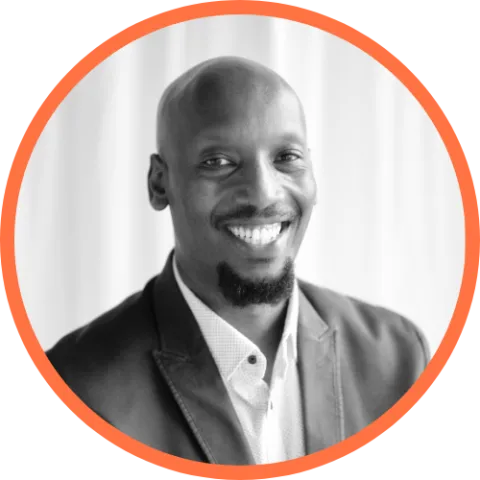
Christian Ntizimira
Founder & Executive Director
The African Center for Research on End of Life Care (ACREOL Global)
Kigali, Rwanda
Dr Christian Ntizimira is the author of an African book bestseller on death and dying, “The Safari Concept: An African Framework on End-of-Life Care”, and the Founder and Executive Director of the African Centre for Research on End-of-Life Care (ACREOL), a nonprofit organisation to bring sociocultural equality through “Ubuntu in End-of-Life Care” in Africa.
He is a Fulbright alumnus and graduated from Harvard Medical School, Department of Global Health and Social Medicine. He has been vetted as an Ashoka Fellow (2025), and named one of the 100 Most Influential CEOs in Oncology. His ability to mobilise a global audience is proven: his advocacy reached 30 countries and 86 landmarks, turning a cultural philosophy into a viral movement for healthcare justice.
Dr Ntizimira is the winner of the prestigious Tällberg-Stervos Niarcos Foundation-Eliasson Global Leadership Prize 2021 for his passionate advocacy for palliative care in Rwanda and elsewhere in Africa, based on his deeply held belief that dignified end-of-life care is a human right. He pioneered the integration of palliative care and end-of-life care into health services rendered to Rwandan cancer patients and in community settings.
He developed a model of palliative care that has been scaled to cover 13 districts and 16 hospitals in Rwanda, serving 6,840,592 people, over half the national population, across 7,144 villages (Imidugudu), by training 1,171 healthcare professionals.
Why would you like to be on the UICC Board of Directors?
I am running for the UICC Board to contribute a crucial paradigm shift in global cancer control: the integration of culturally context-sensitive, human-centred, supportive, and palliative care. My 20-year journey as a palliative care physician, researcher, and social entrepreneur, culminating in the founding of ACREOL Global, confronts a critical structural blind spot. As outlined in different publications, standardising Western medical frameworks without local adaptation risks systemic failure in low- and middle-income countries. My objective is to bridge global policy spaces with frontline African realities, systematically dismantling institutional silos, severe personnel shortages, and deep-seated barriers such as opiophobia.
Two core UICC priority areas:
- Improving health systems for cancer control: I will advocate for adapting palliative care by embedding community-led, decentralised supportive models down to the village level. Palliative care must be among the pillars of national cancer planning, not an afterthought.
- Advancing people-centred care and the ATOM Coalition: Drawing from research expertise, I focus on care that honours the whole person, merging modern oncological therapies with local socio-cultural values to optimise access to essential medicines and diagnostics.
Named a UICC Young Cancer Leader in 2016, I have consistently localised UICC's global equity standards, building multisectoral partnerships that bridge global health and clinical anthropology to reshape how suffering is addressed.
What makes you a good candidate for the UICC Board of Directors?
A proven track record of translating complex global health theories into sustainable, community-rooted healthcare systems. Three pillars are documented across my published literature and global advocacy:
- Clinical and Social Innovation: Through "The Safari Concept: An African Framework on End of Life Care", I pioneered a methodology to navigate family suffering and systemic medical bottlenecks using local metaphors. By shifting the clinical paradigm from isolated hospital stays, it transitioned the cancer narrative from "end-of-life" to "life until the end".
- Anthropological and Policy Rigour: My ethnographic research at Harvard Medical School tackles the biosocial intersections of medicine. I have demonstrated that patient autonomy is in a dynamic equilibrium with community responsibility, a framework I formalised as the Butterfly Approach to Decision-Making. This enables me to offer the UICC Board sophisticated strategies for overcoming socio-cultural barriers to cancer equity.
- The Framework of Ubuntu: Our leadership is structurally anchored in the philosophy of Ubuntu (I am because you are). The global cancer response requires leaders who understand that an equitable healthcare system cannot rely solely on pharmaceutical interventions; it requires restoring shared humanity and relational dignity. I offer the Board an empathic, battle-tested, and profoundly inclusive lens.
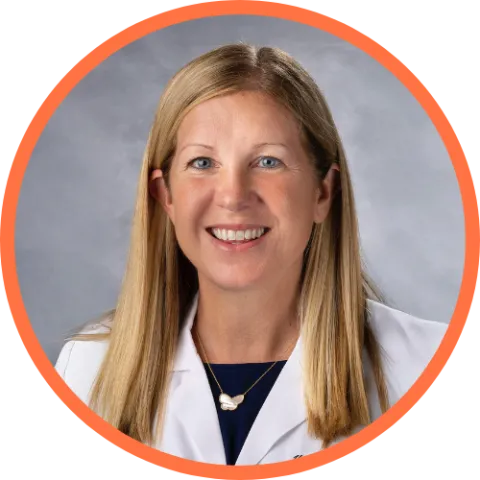
Kathleen Schmeler
Associate Vice President of Global Oncology / Professor of Gynecologic Oncology
MD Anderson Cancer Center
Houston, United States of America
Kathleen Schmeler is a Professor of Gynaecologic Oncology at MD Anderson Cancer Center, where she has worked for nearly two decades. She cares for women with gynaecologic cancers, including performing surgery and administering chemotherapy, and oversees the colposcopy clinics, which provide cervical cancer prevention services. She also serves as Associate Vice President and co-leader of the MD Anderson Global Oncology Program, where the team collaborates with ministries of health, UN agencies, international organisations, and civil society partners to improve cancer prevention and treatment globally.
Her career has focused on advancing cancer prevention, early detection, treatment, research, and workforce development, particularly in underserved communities in Texas and globally. She co-leads research studies focused on cervical cancer in Mozambique, Brazil, and Texas, and supports implementation efforts to expand access to evidence-based diagnosis and treatment. Through MD Anderson’s Global Oncology Program, the team works with local leaders to strengthen health systems and build sustainable capacity through hands-on training and tele-mentoring using Project ECHO. The programmes span multiple disease sites and support efforts to reduce cancer-related morbidity and mortality. The team collaborates closely with ministries of health and international organisations, including the Union for International Cancer Control (UICC), IAEA, WHO, and PAHO. Kathleen Schmeler is honoured to currently serve on the UICC Board of Directors and hopes to continue supporting the UICC mission.
Why would you like to be on the UICC Board of Directors?
It is an honour to be nominated for a second term on the UICC Board of Directors. During my first term, I served on the Capacity Building and Membership Committees, and contributed to key UICC initiatives, including the Cancer Planners Forum, the Women’s Cancers Initiative, and the Access to Oncology Medicines (ATOM) Coalition. These experiences deepened my appreciation for UICC’s unique ability to convene diverse stakeholders and catalyse meaningful global action.
I am seeking a second term because I believe UICC is uniquely positioned to accelerate progress towards equitable cancer control, particularly in low- and middle-income countries where the cancer burden continues to grow. As cancer incidence rises globally, strong advocacy, collaboration, and practical implementation support are more important than ever.
If re-elected, I hope to help expand UICC’s impact in the areas of capacity building, member engagement, and implementation of scalable cancer control solutions. I am especially passionate about strengthening cancer prevention and early detection programmes, advancing women’s cancer initiatives, and supporting workforce development in resource-constrained settings.
UICC has been instrumental in creating a powerful global community committed to reducing the burden of cancer. I would be honoured to continue serving on the Board and working alongside colleagues worldwide to ensure cancer remains a global health priority.
What makes you a good candidate for the UICC Board of Directors?
I believe I am a strong candidate for re-election to the UICC Board because I bring a combination of governance experience, global oncology leadership, and a proven record of building sustainable partnerships that improve cancer outcomes.
I am dedicated to advancing cancer prevention, early detection, treatment, and workforce development in resource-constrained communities worldwide. Working closely with ministries of health, international organisations including NGOs and CSOs, has given me firsthand experience navigating diverse health systems and identifying practical solutions to complex cancer care challenges. Our team at MD Anderson has worked with leaders in many regions, helping to develop and implement sustainable cancer programmes focused on capacity building, health system strengthening, and expanding access to evidence-based care.
A major focus of my career has been on capacity building. I was one of the co-founders of the IGCS Global Gynaecologic Oncology Fellowship, which trains gynaecologic oncologists in their home countries. Since its launch in 2017, the programme has expanded to 22 fellowship sites in 16 countries and has graduated more than 40 fellows, many of whom now serve as leaders in their regions.
Through my first term on the UICC Board, I have gained valuable insight into UICC’s governance and strategic priorities. I would bring collaborative leadership, strategic perspective, and a strong commitment to health equity to help translate UICC’s global vision into measurable impact.
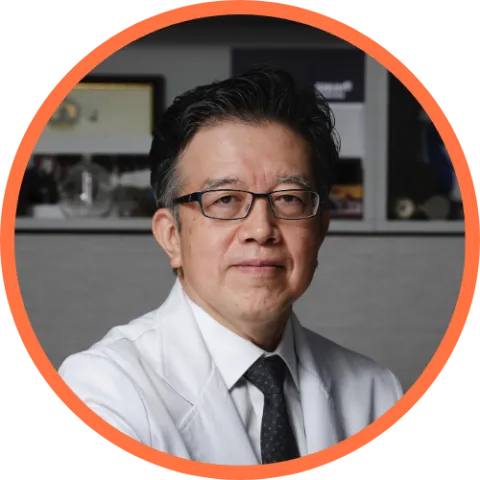
Han-Kwang Yang
President
National Cancer Center, Korea
Koyang, South Korea
Han-Kwang YANG, MD, PhD, FACS, Hon ASA, Hon ESA, Hon JSES
President, National Cancer Center, Korea
Professor Emeritus, Seoul National University
Dr Yang, as President of the National Cancer Center Korea, oversees the Cancer Research Institute, Hospital, National Cancer Control Institute, and Graduate School. He was involved in several large-scale RCTs for gastric cancer treatment. He is the founding chairman of KLASS (Korean Laparoscopic Gastrointestinal Surgery Study Group) and contributed in MIS in gastric cancer, especially function-preserving gastrectomy (pylorus-preserving gastrectomy). His translational research interests are gastric carcinogenesis, DDS, familial gastric cancer, biomarkers, and developing PDX model for gastric cancer. He is Secretary General of the International Gastric Cancer Association, Honorary Fellow of the American Surgical Association, Honorary Member of the European Surgical Association, Honorary International Fellow of the Japanese Society of Endoscopic Surgery, and a member of the Korean Academy of Science and Technology. He gave over 420 invited international lectures. He had 455 international visitors to his gastric cancer centre.
- Secretary General, International Gastric Cancer Association, since 2023
- Secretary General, Asian Oncology Society, since 2019
- President, Korean Society of Surgical Oncology, 2024–2025
- Director, Seoul National University Cancer Hospital, 2020–2023
- Chairman, Board of Directors, Korean Cancer Association, 2020–2022
Why would you like to be on the UICC Board of Directors?
As President of the National Cancer Center Korea and Secretary General of the International Gastric Cancer Association, I have dedicated my career to advancing oncology through rigorous scientific consistency and cross-border collaboration. I am eager to join the UICC Board of Directors to share the "Korean experience" in national cancer control—where robust, systematic screening and advanced clinical frameworks have achieved among the lowest cancer mortality rates globally—and to help bridge the gap between high-level clinical excellence and equitable global health policy.
I bring extensive experience in healthcare administration, multilateral governance, and standardising advanced surgical oncology. Having fostered deep international research and educational networks, I understand how to translate national success into scalable, evidence-based global cancer control strategies.
If elected, my primary objective is to advance global health equity by expanding specialised clinical capacity in low- and middle-income countries. I aim to focus heavily on UICC’s Capacity Building and Advocacy priority areas. Specifically, I want to establish sustainable, peer-to-peer training programmes and standardised clinical guidelines that empower local workforces, using Korea’s proven, data-driven frameworks as a scalable blueprint. True cancer control requires persistent, systematic effort, and I am committed to leveraging my network to make life-saving care universally accessible.
What makes you a good candidate for the UICC Board of Directors?
My qualification for the UICC Board is defined by a proven track record of institutional transformation, international surgical leadership, and the successful execution of world-class national cancer policies. As a surgical oncologist leading the National Cancer Center Korea, I oversee the comprehensive execution of a national framework that has pushed Korea to the forefront of global oncology, delivering exceptionally low cancer mortality-to-incidence ratios through population-wide screening and advanced treatment.
Beyond national governance, my role as Secretary General of the International Gastric Cancer Association has provided me with deep experience in managing international professional societies. I have successfully driven global consensus guidelines, built cross-border collaborative research networks, and established longitudinal clinical training programmes. My election as an Honorary Fellow of the American Surgical Association reflects a career built on international peer recognition and standard-setting.
I am uniquely positioned to offer the UICC Board a bridge between advanced clinical insights and scalable health system strategies. I bring a meticulous, day-by-day approach to building sustainable healthcare capacity, a deep understanding of the global oncology landscape, and an extensive network. I have the governance experience, the strategic patience, and the international trust required to effectively advance UICC’s mission on the global stage.
Last update
Tuesday 20 October 2026