
Cervical cancer resources
This page regroups important resources on cervical cancer elimination such as key documents, virtual dialogues, videos, infographics and news.

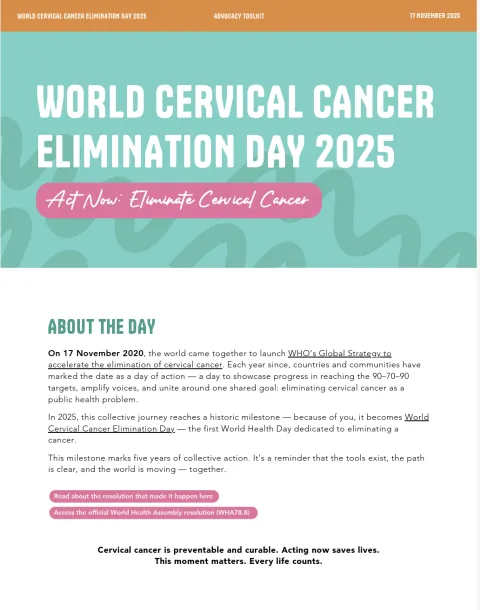
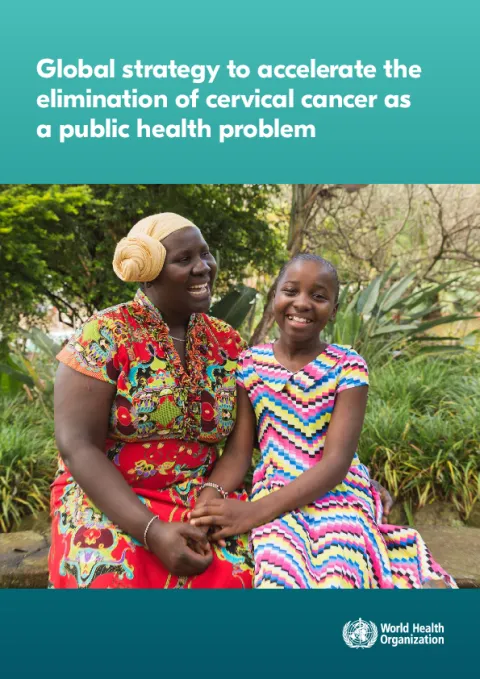
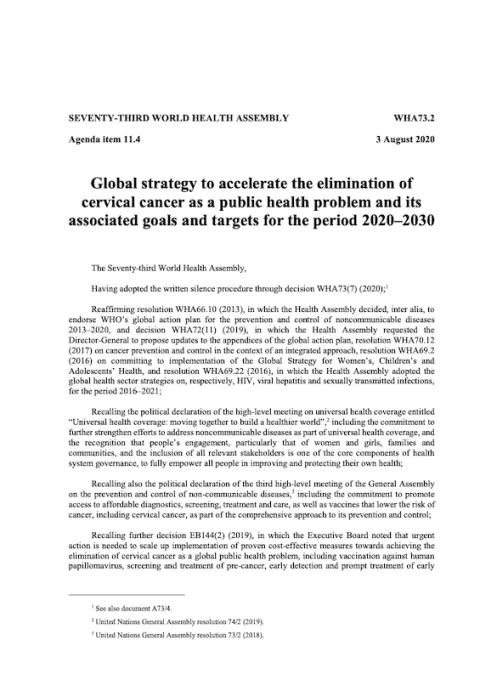
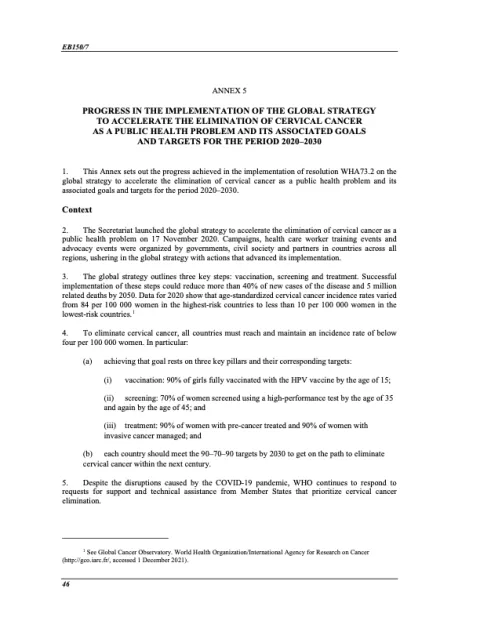
UICC works closely with the World Health Organization (WHO), other UN agencies and partners towards the elimination of cervical cancer as a public health problem in support of the WHO-led Global Strategy to accelerate the elimination of cervical cancer as a public health problem, launched on 17 November 2020.
UICC is calling for urgent national commitments to help achieve the 90:70:90 goals by 2030 setting countries on a path to achieve elimination. To that end, this page serves as a comprehensive hub of resources on cervical cancer elimination, including educational tools, social media materials, advocacy resources, opinion from key experts, and external links to reports, strategies and publications. For more resources and opportunities from the community, please see also the dedicated opportunities available via UICC Connect, including initiatives such as Project ECHO ELA (Eliminación del cáncer cervicouterino en Latinoamérica), which supports countries in Latin America in implementing the WHO strategy for cervical cancer elimination.
Cervical cancer social media materials



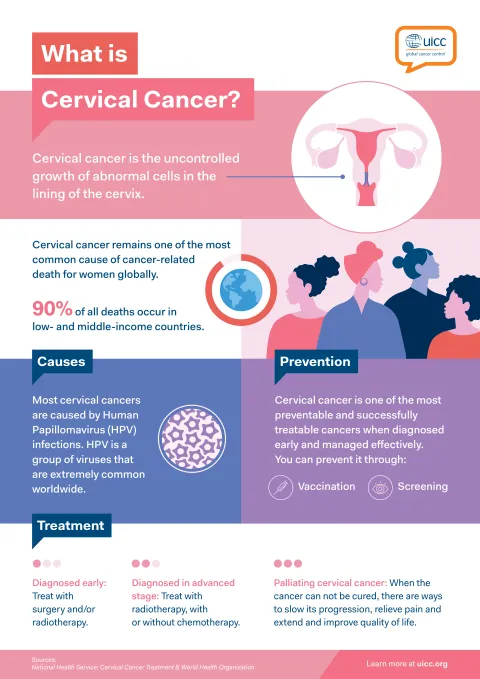
Cervical cancer is preventable and curable, as long as it is detected early and managed effectively.
Source: WHO
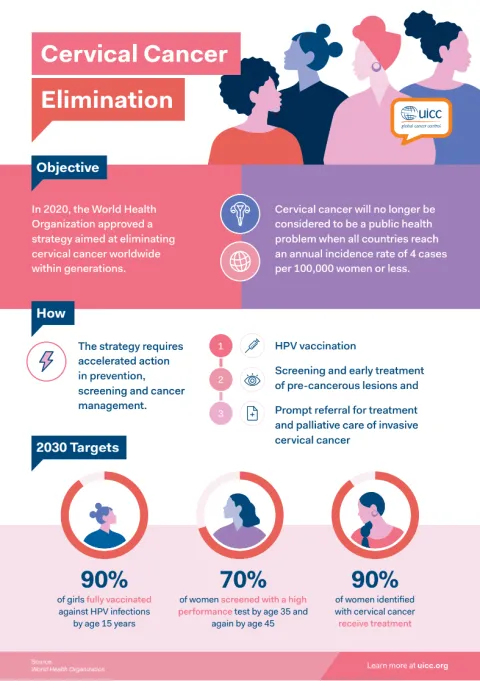
The WHO’s Global Strategy to eliminate cervical cancer outlines three main pillars that require accelerated action in vaccination, screening, and treatment, to reach targets by 2030:
90% of girls are fully vaccinated with the HPV vaccine by age 15.
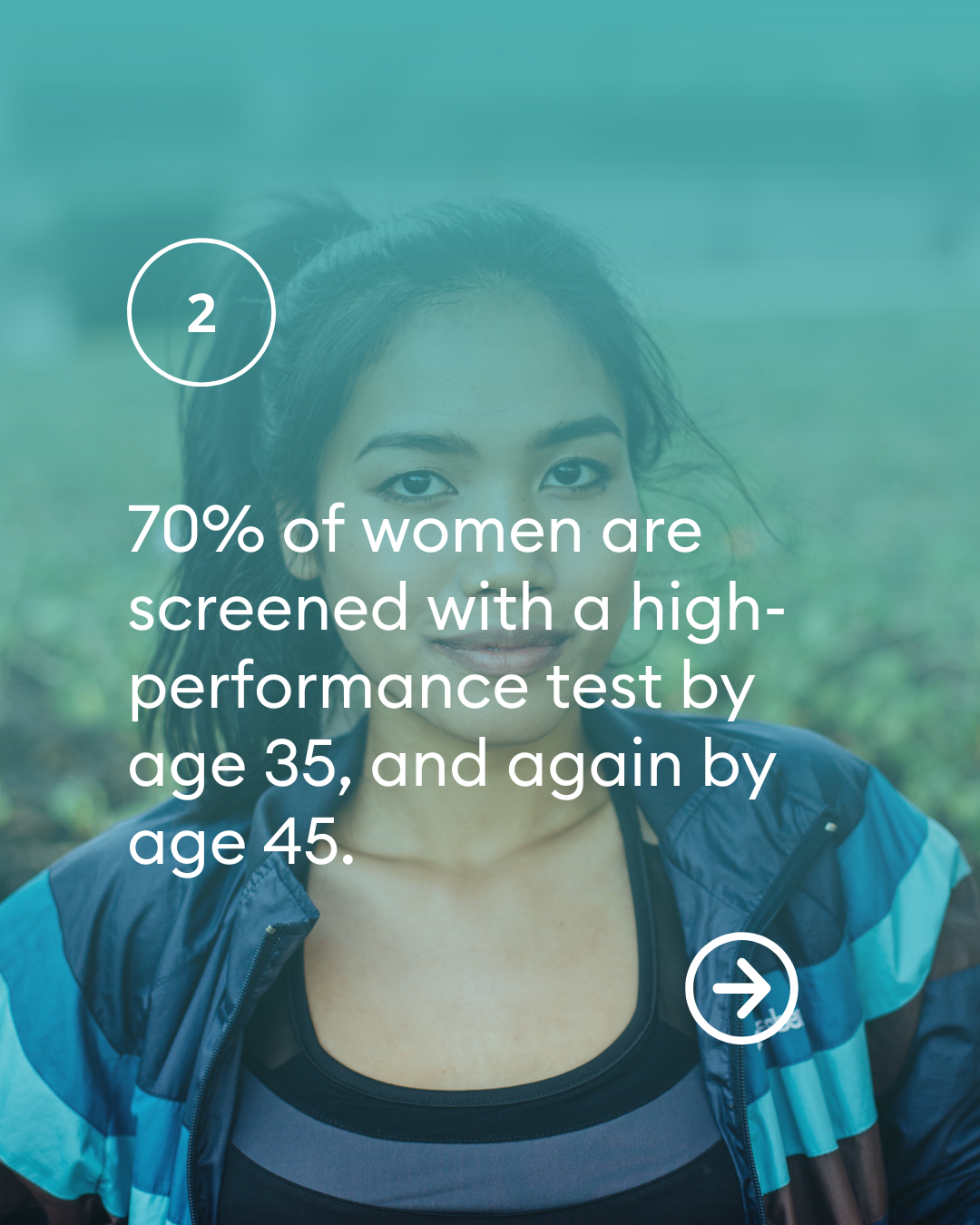
70% of women are screened with a high-performance test by age 35, and again by age 45.
90% of women identified with cervical disease receive treatment (including treatment of cervical pre-cancer, and invasive cancer).
Source: WHO
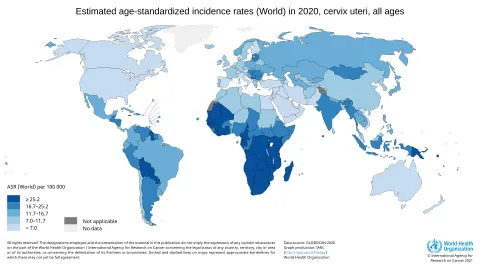
Every year, around 660,000 new cases of cervical cancer are diagnosed, and more than 350,000 women die from the disease - 94% of these deaths occur in low- and middle-income countries. Regional differences in the cervical cancer burden are related to inequalities in access to vaccination, screening and treatment services, risk factors including HIV prevalence, and social and economic determinants such as sex, gender biases and poverty.
Source: IARC and WHO
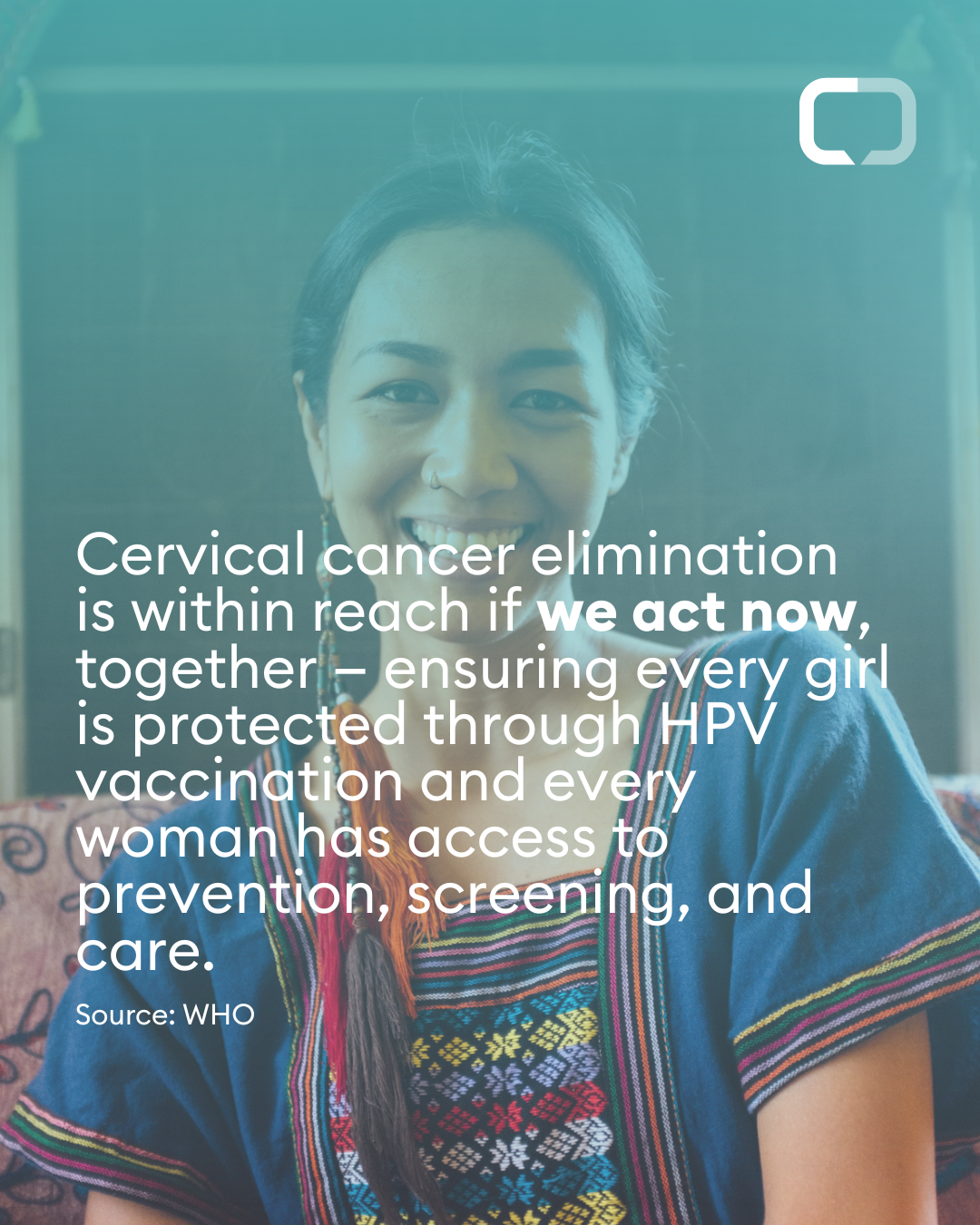
Cervical cancer elimination is within reach if we act now, together - ensuring every girl is protected through HPV vaccination and every woman has access to prevention, screening, and care.
Source: WHO
One woman dies of cervical cancer every two minutes… Each one is a tragedy, and we can prevent it.
Source: Dr Tedros Adhanom Ghebreyesus Director-General, World Health Organization
No woman should ever die from cervical cancer. Raise awareness during Cervical Cancer Awareness Month and stand up for the elimination of cervical cancer.
By eliminating cervical cancer in line with the Global Strategy for cervical cancer elimination, we can avoid 74 million new cases and save at least 62 million lives within the next century. Let’s ensure that all women - no matter where they live, their income, their race, or their level of education - are given the opportunity to lead healthier lives and rise to their potential.
Source: WHO
Cervical Cancer is highly preventable, yet it remains the fourth most common cancer among women globally. We need strong government action to help end cervical cancer. Speak up this Cervical Cancer Awareness Month.
Source: WHO
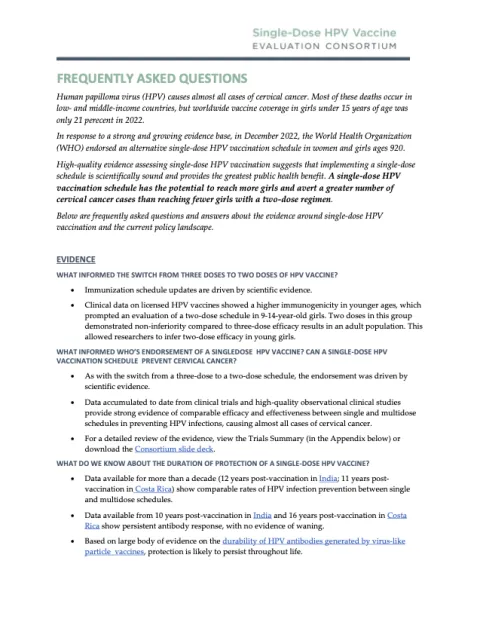
HPV vaccines are safe and effective in preventing HPV infection and cervical cancer. WHO recommends that all girls aged 9-14 years receive the vaccine, and evidence shows that a single-dose schedule offers protection comparable in efficacy and durability to a two-dose regimen.
Source: WHO
Cervical cancer key documents





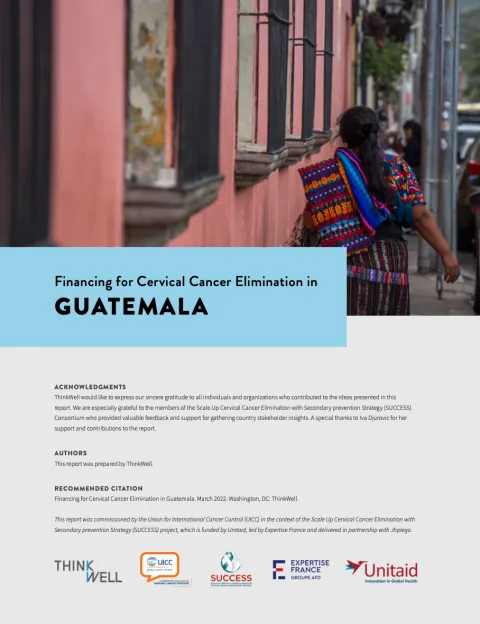
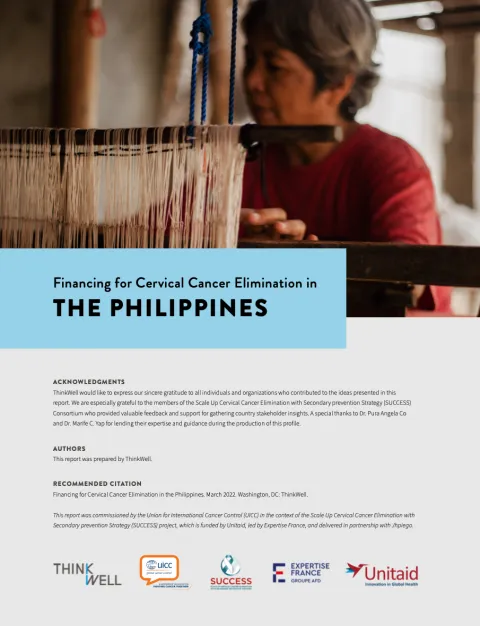
Cervical cancer Virtual Dialogues
Virtual Dialogue - Advocacy in action: the role of civil society in cervical cancer elimination

Virtual Dialogue - Navigating Gavi: Supporting CSOs in advancing access to HPV vaccination
Virtual Dialogue: Implementing 70:90 – Ensuring scale and sustainability

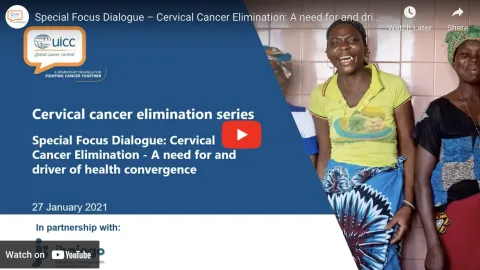
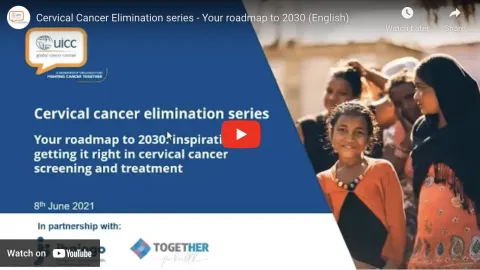
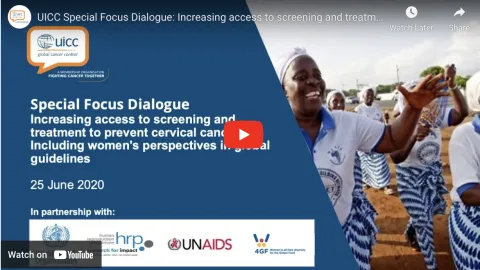
Cervical cancer videos
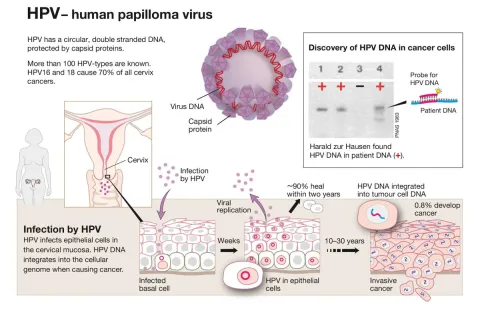
Cervical cancer infographics
Cervical cancer learning opportunities
This online course provides foundational knowledge on the WHO Cervical Cancer Elimination Initiative and its first Global Health Strategy for the elimination of cancer as a public health problem, officially launched by the WHO on 17 November 2020, following the close of the 73rd World Health Assembly.

Other cervical cancer documents
Latest news and blog articles about cervical cancer
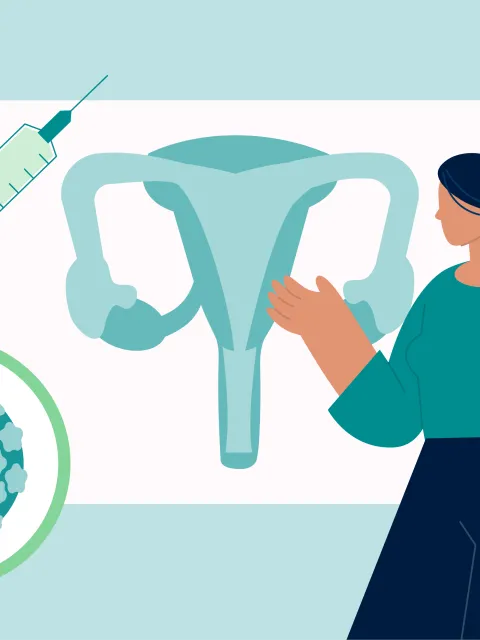
Cervical cancer is the fourth most common cancer among women globally and currently, one life is lost every two minutes to this disease.
Cervical cancer

UICC works closely with the World Health Organization (WHO), other UN agencies and partners towards the elimination of cervical cancer as a public health problem.
UICC's actions on cervical cancer
Last update
Tuesday 21 April 2026