
City Cancer Challenge (C/Can)
City Cancer Challenge (C/Can) was launched by the Union for International Cancer Control (UICC) at the 2017 World Economic Forum Annual Meeting in Davos.

The launch of City Cancer Challenge (C/Can) was a coordinated response to the urgent need to support resource-limited countries in reducing their growing cancer burden. It was also a recognition of the untapped potential of taking an integrated approach to three of the UN’s 17 Sustainable Development Goals (SDGs), health, sustainable cities and partnerships for the goals.
C/Can became a standalone Swiss foundation in January 2019 and continues to operate in close collaboration with UICC’s network of over 1,000 members in 160 countries, representing the world’s major cancer societies, as well as patient groups, influential policymakers, researchers and experts.
C/Can works with cities around the world to strengthen cancer care systems from the ground up—identifying gaps, supporting locally led solutions, and improving access to quality cancer care. Its approach is grounded in the principle that where a person lives should not determine the care they receive, and that cities play a critical role in driving change. Through its city engagement model, C/Can convenes stakeholders to co‑create, design, and implement solutions that are locally relevant and sustainable.

C/Can works with cities around the world to strengthen cancer care systems from the ground up—identifying gaps, supporting locally led solutions, and improving access to quality cancer care. Its approach is grounded in the principle that where a person lives should not determine the care they receive, and that cities play a critical role in driving change. Through its city engagement model, C/Can convenes stakeholders to co‑create, design, and implement solutions that are locally relevant and sustainable.
C/Can connects city leaders with a global network of partners to translate evidence into action. Through technical support, capacity building, and resource alignment, it enables the development of stronger, more resilient cancer systems that are locally owned and nationally relevant. With a network of more than 50 partners across the public, private, and civil society sectors, C/Can facilitates collaboration that delivers practical solutions, strengthens health systems, and advances more equitable cancer care worldwide.
Latest news and blog posts about City Cancer Challenge
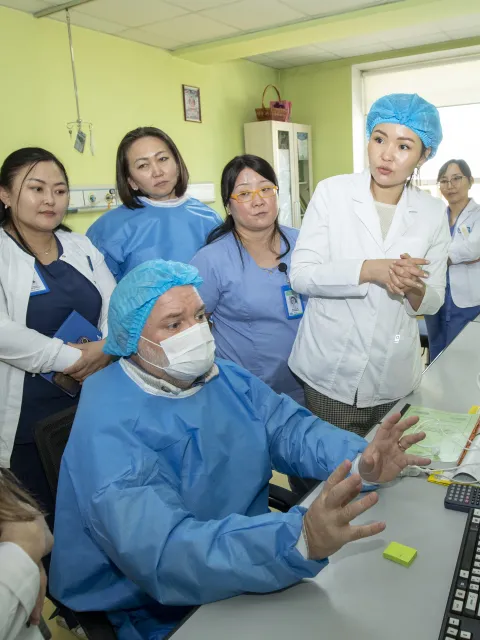
UICC has created several new organisations and initiatives to address long-term public health challenges and unmet needs.
Creating new initiatives

The Access to Oncology Medicines (ATOM) Coalition ambition's is "to reduce suffering and deaths caused by cancer in low- and lower-middle income countries through improved access to and use of essential cancer medicines".
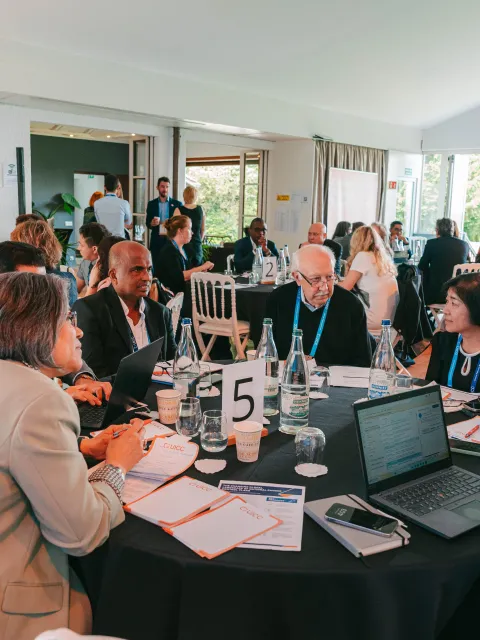
The International Cancer Control Partnership (ICCP), formed in November 2012, is a group of organisations engaged in supporting country cancer control planning efforts.
International Cancer Control Partnership (ICCP)
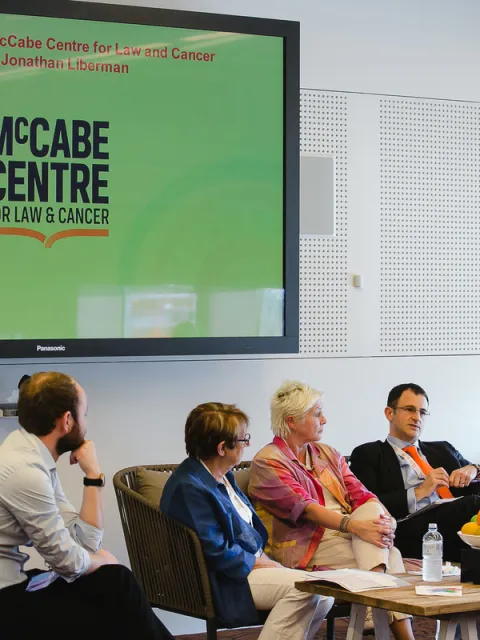
The McCabe Centre for Law & Cancer is the only centre of its kind in the world advancing law to prevent cancer and to protect people affected by it.
McCabe Centre for Law and Cancer
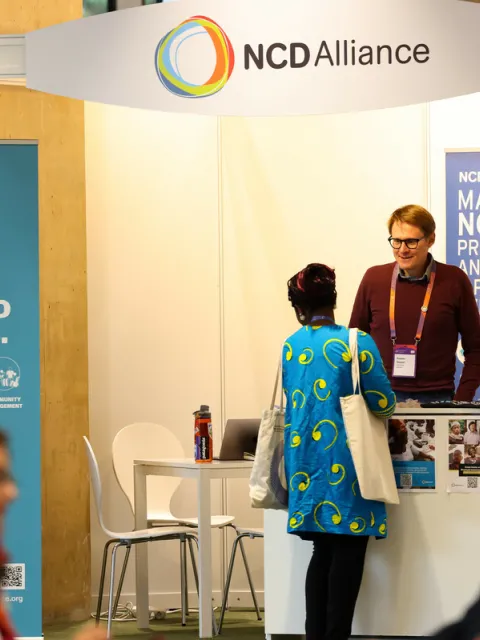
The Non-communicable Disease (NCD) Alliance is a civil society network uniting 2,000 federation associations, civil society organisations, scientific and professional associations, academic and research institutions to improve NCD prevention and control worldwide.
NCD Alliance
Last update
Tuesday 28 April 2026