UICC’s TNM annual meeting focuses on progress, partnerships, and future updates
The TNM Core Committee convened in Geneva and online to review progress on the TNM Classification, strengthen collaboration across global partners and explore future updates, education activities, and work on cancer outcomes and prognostic factors.
The TNM Classification of Malignant Tumours is the internationally recognised system used worldwide to describe how a cancer has spread when it is diagnosed. By classifying cancers according to the primary tumour (T), regional lymph node involvement (N) and the presence of distant metastases (M), the TNM system provides a common language that underpins clinical decision‑making, prognosis, research, cancer surveillance and cancer control planning.
Maintained and published by UICC for more than 70 years, the TNM Classification is developed through an international, multidisciplinary collaboration. Its governance is led by the TNM Core Committee, which brings together experts across oncology, pathology, epidemiology and cancer registration, alongside representatives from key professional societies and global initiatives, to ensure the Classification remains evidence‑based, relevant and globally applicable.
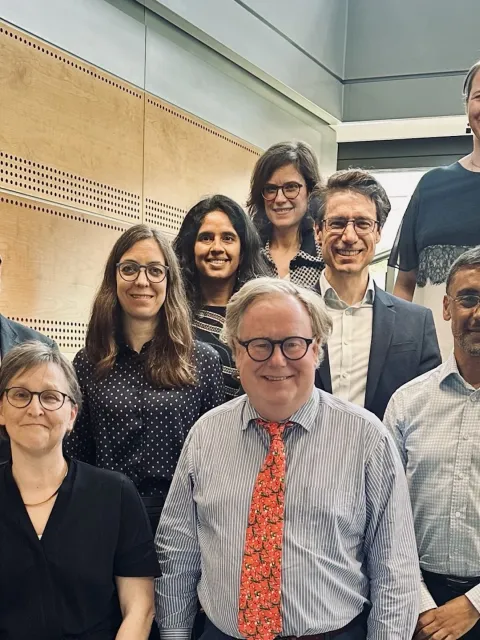
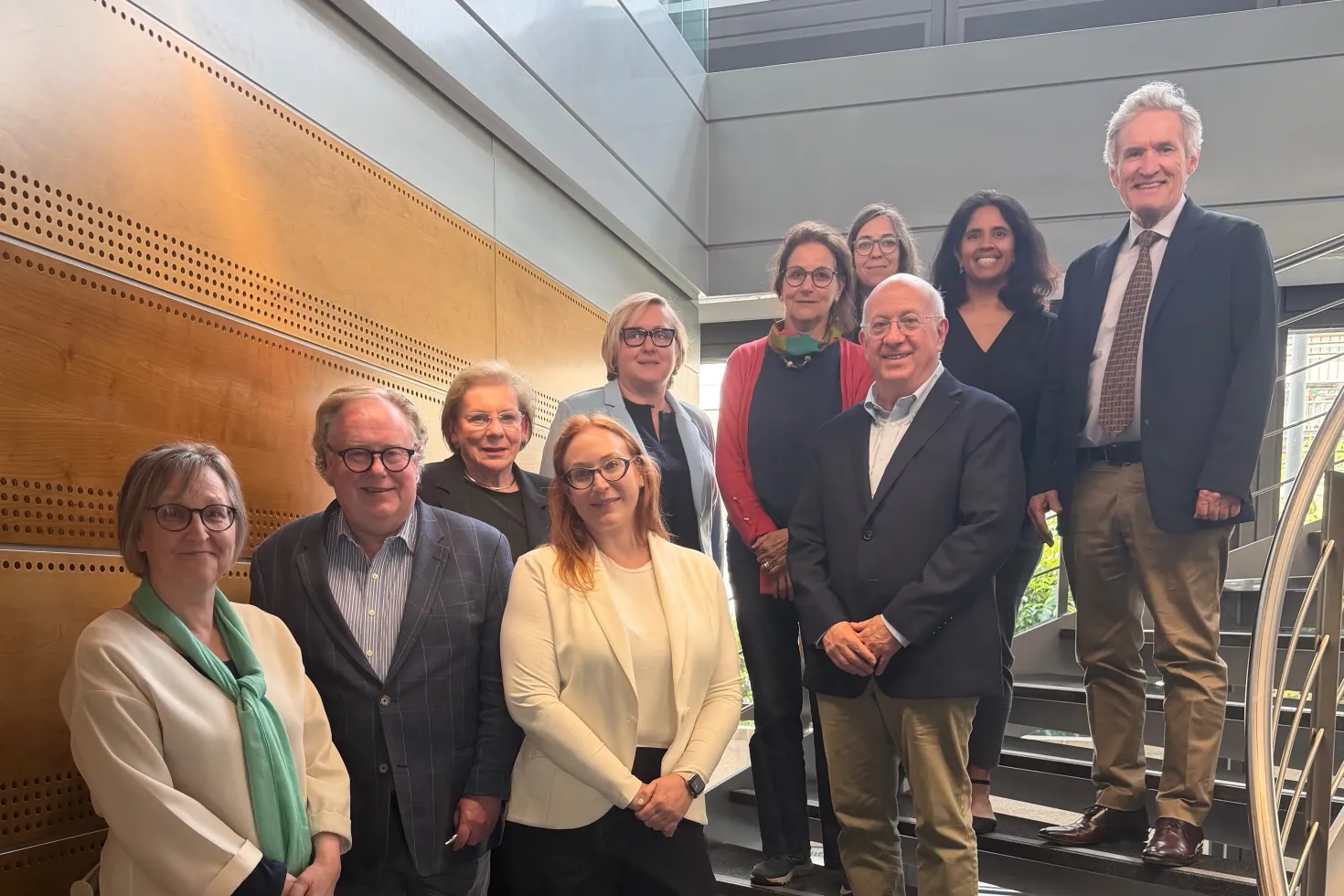
The Core Committee held their annual meeting in a hybrid format on 7 May 2026 at UICC’s offices in Geneva, Switzerland. International experts and partner organisations gathered to review progress across the TNM Classification, and discuss future priorities for global cancer staging.
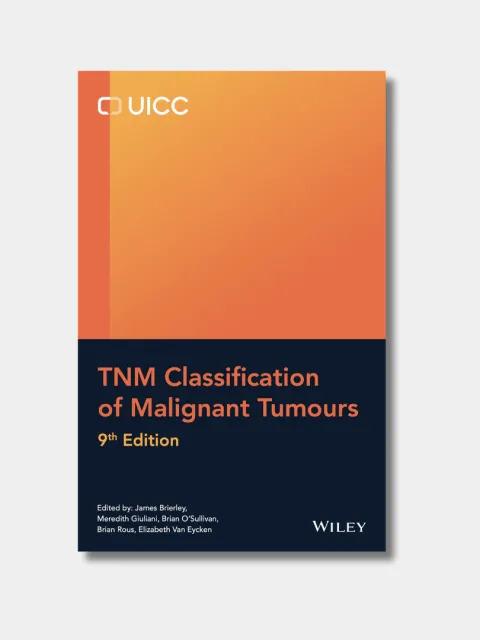
A central focus of the meeting was a review of progress across TNM publications. Participants discussed ongoing implementation of the 9th edition of the TNM Classification, published last year, and reviewed efforts to support its global uptake. Updates were shared on translation activities, which play a critical role in ensuring the Classification is accessible and usable across different regions and languages.
A dedicated session explored the Cancer Outcomes and Prognostic Factors Project, with a focus on outcomes beyond survival, drawing on international registry data, disease-specific examples, and collaborative initiatives, followed by discussion and synthesis of key themes.
Education and dissemination activities also featured on the agenda, with updates on web‑based educational resources, the TNM help desk, planned website updates and broader dissemination efforts related to the 9th edition. Participants discussed how these tools can best support clinicians, cancer registrars, and policymakers in applying the TNM system accurately and consistently.
In addition to reviewing current activities, the Core Committee discussed plans for future updates to the TNM Classification. These focused notably on how emerging evidence, evolving treatment approaches, and advances in data availability can inform the continued evolution of the system.
The meeting was co‑chaired by Dr Liesbet Van Eycken and Dr Jim Brierley. It included contributions from a wide range of partner organisations: American Joint Committee on Cancer (AJCC), African Organisation for Research and Training in Cancer (AORTIC), Global Initiative for Cancer Registry Development / International Agency for Research on Cancer (GICR / IARC), IARC Classification of Tumours (WHO Classification of Tumours series) (IARC Blue Books), International Association for the Study of Lung Cancer (IASLC), International Association of Cancer Registries (IACR), International Collaboration on Cancer Reporting (ICCR), International Federation of Gynaecology and Obstetrics (FIGO), National Cancer Institute / Surveillance, Epidemiology, and End Results Program (NCI / SEER), World Health Organization / International Classification of Diseases, 11th Revision (WHO / ICD‑11).
Last update
Thursday 16 July 2026