
Candidate profiles for 2026-2028 Board of Directors and President-elect

Candidates for UICC President-elect
Listed alphabetically by last name – click on their name in the accordions below for their full profile and video message when available.
- Gilberto Lopes, United States of America
- Asem Mansour, Jordan
- C S Pramesh – India
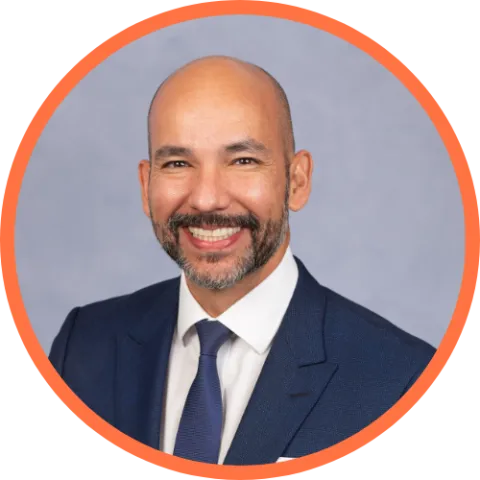
Gilberto Lopes
Chief, Medical Oncology
Sylvester Comprehensive Cancer Center at the University of Miami
Hollywood, United States of America
Gilberto Lopes is Professor of Clinical Medicine, Chief of the Division of Medical Oncology, and Associate Director and Medical Director for International Programmes at Sylvester Comprehensive Cancer Centre, University of Miami Miller School of Medicine. He chairs the Access to Oncology Medicines (ATOM) Coalition and serves on the UICC Board of Directors. He is Editor Emeritus of JCO Global Oncology.
Trained in Brazil and the United States, he is a medical oncologist whose work spans clinical trials, health technology assessment, health economics, and global oncology policy. He has led international studies that brought new medications to people living with cancer worldwide. His earlier research on the pricing, value, and accessibility of cancer medicines in low- and middle-income countries laid much of the conceptual foundation for what later became the ATOM Coalition. He has authored more than 300 publications and is among the most cited oncologists in his field, with over 20,800 citations and an h-index of 63.
Under his leadership, the ATOM Coalition has delivered 1.3 million doses of quality-assured cancer medicines across 46 countries, reaching more than 12,000 people through 45 partners, with a portfolio of 37 medicines and 10 diagnostics.
He is a Fellow of the American Society of Clinical Oncology (FASCO) and advises governments, WHO, and patient organisations across Africa, Asia, and Latin America on access to cancer care.
Why would you like to be UICC President?
I have spent my career closing the distance between what cancer control and management can do and what most people actually receive. From a public clinic in Brazil to international trials and the founding of the ATOM Coalition, the work has always been the same: making the standard of care a reality for people for whom it has been an abstraction.
That work has reached scale only because people and organisations cooperated across borders, sectors, and incomes. UICC is the one body that does this for the whole field. With more than 1,100 member organisations across 170 countries, it is uniquely placed to translate evidence and ambition into national action and to hold the cancer community accountable to the World Cancer Declaration's targets: a 25% reduction in cancer mortality, 60% of cancers diagnosed at an early stage, 80% of facilities with essential medicines and diagnostics, and cancer included in 50% of universal health coverage packages by 2035.
I want to lead UICC because the next decade is decisive. Cancer cases are projected to rise 35% by 2035 and deaths 40%, with the heaviest growth in low- and middle-income countries. UICC's Strategy 2026–2036 sets the right course. The presidency now needs someone who has done the work the strategy describes and can convert its three outcomes — political and financial priority, stronger and more equitable systems, and earlier diagnosis with better care — into measurable progress for members, country by country.
I am asking for your organisation's vote because I know how to do this, and because I will do it with you, not for you.
What makes you a strong candidate, drawing on any relevant experience?
My case rests on three lines of work, each aligned with a pillar of UICC's Strategy 2026–2036.
Access and stronger systems. I chair the ATOM Coalition and have led it from theoretical background and concept to operating reality. The ATOM Coalition has delivered 1.3 million doses of quality-assured cancer medicines across 46 countries, supporting more than 12,000 people through 45 partners, with a portfolio of 37 medicines and 10 diagnostics. The Coalition has formalised country engagements with ministries of health in Uganda, Kenya, Mongolia, El Salvador, Indonesia, Zambia, and Honduras; built the ATOM Priority Medicines List that now anchors national procurement and partner alignment; and produced the first voluntary licence (nilotinib, with Novartis and the Medicines Patent Pool) that is a template others can follow.
The ATOM Coalition is now pivoting from direct implementation to be a facilitator, integrator, and convener — a deliberate strategic evolution I am leading with UICC's CEO and COO to make the Coalition leaner, more partner-driven, and tightly aligned with UICC's broader strategy. This is the work UICC's new strategy describes, executed inside UICC.
Evidence and policy that move ministries. As Editor Emeritus of JCO Global Oncology, I spent a decade building a journal that platformed evidence from low-resource settings on its own terms. As Global Principal Investigator of KEYNOTE-042 (Lancet 2019; ASCO 2018 Plenary), I led a registration trial that changed first-line treatment for advanced non-small cell lung cancer worldwide and demonstrated that LMIC sites can lead a global study, not only enrol people in one. My work in health technology assessment and health economics has equipped governments to defend cancer budgets against competing claims — the network of excellence on cancer financing the new strategy calls for.
Inside knowledge of UICC and its membership: I serve on the UICC Board, engage with its committees, and know the organisation's governance, its financial realities, and its member ecosystem across regions. I am Brazilian and American — a working bridge between the Global North's resources and the Global South's need — and I have spent twenty-five years building the relationships this presidency requires from day one.
What are your future ambitions for UICC?
My presidency will deliver on UICC's Strategy 2026–2036 with specific, public accountability against the World Cancer Declaration's targets. Four commitments anchor that promise.
First, I will make access UICC's measured priority. Building on the ATOM Coalition, I will work with the Board, the CEO, and member organisations to embed an access function across UICC's member services and publish an annual public dashboard tracking medicines, diagnostics, and treatment capacity reaching low- and middle-income members, against the World Cancer Declaration's 80% facilities target. The ATOM Coalition's pivot to facilitator and convener creates a model other UICC programmes can adopt: lean secretariat, partner-led delivery, country ownership.
Second, I hope to help members win the funding argument at home. UICC's strategy commits to a network of excellence on cancer financing. I will help build it — leveraging my health-economics work, the JCO Global Oncology network, and the Cancer Planners Forum — and tie it to a measurable goal: support a defined cohort of UICC member organisations in low- and middle-income countries to bring fully costed national cancer control plans into their national budget cycles by 2028, with cancer included in their universal health coverage packages. Domestic financing, sustained, is how we close the gap between commitment and delivery.
Third, I will put Global South leadership at the centre of the Union. I will work with the Board to widen the leadership pipeline that brings emerging LMIC cancer-control leaders into UICC committees and World Cancer Congress plenaries, with measurable growth in their representation by 2028. I have done this at scale at JCO Global Oncology. The Union can do it across its 1,100-plus members.
Stewardship of the Union itself is the fourth, non-negotiable commitment. UICC operates in a difficult funding environment for international NGOs and Geneva-based associations more broadly. As a Board member, I have seen the work the team has done to maintain reserves above the 25% threshold and to diversify the funder base under real pressure. As President, I will support the CEO and the Board in growing and diversifying that base, in expanding membership in regions where we are underrepresented, and in protecting the Union's independence and credibility, which are its most valuable assets.
I am running because UICC's next decade can be its most consequential and cap our 100th anniversary as the most relevant non-governmental cancer control organisation in the world. Cancer is moving up the global agenda even as health financing comes under pressure. UICC has the right strategy. It needs a President who has done the work it describes, knows the institution, and will hold all of us — including the President — to account for delivering it. That is what I am offering.
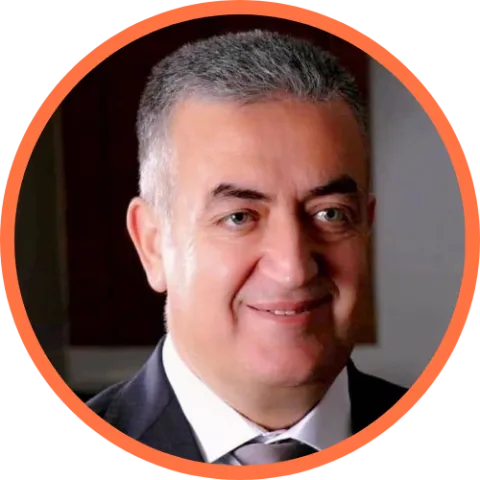
Asem Mansour
Chief Executive Officer / Director General
King Hussein Cancer Center, Amman Jordan
Amman, Jordan
Dr Asem H. Mansour is Director General and CEO of Jordan’s King Hussein Cancer Centre (KHCC), serving adult and paediatric patients regionally. A physician executive and board-certified radiologist, he holds an MD from Vitebsk Medical Institute, neuroradiology training, a Master of Medical Management from Carnegie Mellon University, and Certified Physician Executive credentials.
Under his leadership, KHCC has grown into a 364-bed institution managing more than 29,000 active cases annually, doubling Jordan’s cancer-care capacity and extending access through three satellites. He has advanced bone marrow transplantation, CAR T-cell therapy, robotic surgery, precision medicine, and AI.
Dr Mansour has increased research investment and international funding, contributing to 60% growth in Jordan’s cancer research capacity. KHCC has achieved and maintained leading accreditations, including Magnet®, JCI, CCPC, FACT, and AAHRPP. He has authored more than 120 publications on cancer care, health systems, and outcomes in resource-constrained settings.
As Executive Chairman of the Jordan Breast Cancer Programme, he has advanced a national model for early detection and access. As a UICC Board Member and Lancet Commission Commissioner, he brings governance experience and global partnerships. Recognised with the 2024 Kuwait State Prize for Cancer Control in WHO’s Eastern Mediterranean Region, Hamdan Award, and NCI Rachel Pearline Award, he offers UICC leadership for equity and innovation.
Why would you like to be UICC President?
I would like to be UICC President because I have spent much of my professional life working to challenge one unacceptable reality: that a person’s chance of surviving cancer is still too often shaped by where they live, what resources are available around them, and whether their health system can provide timely diagnosis and treatment.
This has been the guiding purpose of my leadership at the King Hussein Cancer Centre in Jordan. KHCC serves a region where cancer care is shaped by limited resources, late diagnosis, financial pressure, displacement, and conflict. Many people displaced by war and unrest arrive without insurance or financial means, seeking treatment and hope. This reality has deepened my commitment to equitable cancer care for the most vulnerable. Yet our experience has shown that high-quality care, research, training, and innovation are not the privilege of wealthy health systems alone; with the right leadership, partnerships, and commitment, they can be built and sustained in settings like ours.
As Director General and CEO, I have worked with an exceptional team to expand KHCC into a comprehensive cancer centre managing more than 29,000 active cancer cases annually. We have doubled Jordan’s cancer-care capacity, launched satellite centres to bring care closer to people, introduced advanced treatments and technologies, and maintained international standards of quality and safety. These achievements matter to me not as institutional milestones, but because they mean more people can receive care closer to home, with dignity and hope.
My wish to serve UICC comes from this experience. UICC is at its strongest when it brings together members from different realities and turns that shared knowledge into practical progress. I would bring the perspective of a physician executive who has led cancer care in a resource-constrained region, worked with partners across borders, and served UICC as a Board Member since 2022.
During my Board service, I have valued the opportunity to contribute to UICC’s membership growth and institutional governance, including through the Membership Committee and the Finance and Audit Committee. These roles have reinforced my belief that UICC’s greatest asset is its members: their experience, diversity, credibility, and ability to influence cancer control where it matters most.
If elected President, I would work to help UICC remain close to its members, especially those working where the cancer burden is rising fastest and resources remain limited. I would focus on strengthening cancer systems, expanding access to prevention and early detection, supporting research and training, and ensuring that innovation reaches people beyond the most privileged settings. For me, the Presidency would be a responsibility to serve, to listen, and to help UICC continue bridging the gap between what is possible in cancer care and what is actually available to people.
What makes you a strong candidate, drawing on any relevant experience?
I believe I am a strong candidate because my experience is grounded in implementation. I have not only advocated for better cancer care; I have had the responsibility of building and sustaining it in a region where the need is great and resources are often stretched.
Since 2012, I have led KHCC through a period of major growth and transformation. KHCC has expanded its infrastructure and services, doubled Jordan’s national cancer-care capacity, and developed satellite centres to improve access for people outside the capital. It now manages more than 29,000 active cancer cases annually and has become a regional destination for adult and paediatric cancer care. The Centre has also introduced advanced services including one of the region’s largest bone marrow transplantation programmes, CAR T-cell therapy, robotic surgery, precision medicine, genomic research, and artificial intelligence in cancer care.
A key part of my leadership has been to prove that quality and innovation can be sustained in resource-constrained settings. Under my leadership, KHCC has achieved and sustained leading international accreditations, including Magnet Recognition, Joint Commission International accreditation, Clinical Care Programme Certification, FACT accreditation, and AAHRPP accreditation for research protection standards. These recognitions reflect the work of many people, but they also reflect a leadership culture that insists people in our region deserve the same standards of safety, quality, and dignity as people anywhere else.
Research has also been central to my work. I have supported internal investment and international funding that contributed to an estimated 60% growth in Jordan’s cancer research capacity over the past five years. I have authored more than 120 peer-reviewed publications, many focused on cancer care in resource-restricted settings, displaced populations, areas of conflict, palliative care, ethics, health systems, early detection, and outcomes. This matters because cancer research must include the realities of the communities where the burden is growing fastest.
Prevention and early detection are equally central to my vision. As Executive Chairman of the Jordan Breast Cancer Programme, I have helped advance national efforts in awareness, screening, early diagnosis, and access to breast-health services, particularly for women facing social, geographic, or financial barriers. The programme has helped move breast cancer from silence and late presentation toward earlier detection, giving more women a fairer chance at timely treatment. This has strengthened my belief that successful cancer control depends not only on hospitals, but also on public trust, prevention, education, and national coordination.
Internationally, I bring experience across partnerships, governance, and policy. KHCC has built collaborations with leading institutions and global bodies, including WHO, St Jude Children’s Research Hospital, Princess Margaret Cancer Centre, EORTC, and the International Atomic Energy Agency. I also serve as a Commissioner for The Lancet Commission on Cancer and Health Systems and on regional and international boards. These roles have helped me connect local and regional experience with global cancer-control priorities.
Above all, I understand the realities many UICC members face because I work within them. I know the pressure of balancing ambition with resources, the importance of partnerships, and the urgency of turning strategy into care that reaches people.
What are your future ambitions for UICC?
My ambition for UICC is that it continues to be the organisation every cancer leader, institution, and advocate can look to for connection, credibility, and support, especially those working in countries where cancer care is still developing and where the burden is increasing rapidly.
First, I would like UICC to place even greater emphasis on practical equity. Equity must be more than a principle; it must be reflected in earlier diagnosis, better access to treatment, stronger palliative care, trained professionals, reliable data, and research that is relevant to each setting. UICC can help members learn from one another and share models that are realistic, adaptable, and sustainable.
Second, I would like to strengthen UICC’s role in prevention and early detection. My experience with the Jordan Breast Cancer Programme has shown me that national progress is possible when awareness, screening, service delivery, data, and partnerships move together. UICC can help members exchange practical approaches to early detection, especially where late presentation remains a major reason for poor outcomes.
Third, I would like UICC to support stronger research capacity in low- and middle-income countries and in regions affected by conflict and displacement. The cancer community needs more evidence from the places where people face the greatest barriers. UICC can help promote fair research partnerships, support regional research leadership, and give greater visibility to data and experience from underrepresented settings.
Fourth, I would focus on workforce development. Without trained people, cancer plans cannot succeed. KHCC’s Training Academy has supported healthcare professionals from 27 countries, and this experience has shown me how powerful regional training networks can be. UICC is well placed to connect centres of excellence, professional societies, and member organisations so that knowledge moves faster and reaches more people.
Finally, I would work to keep UICC close to its members. The organisation’s strength comes from listening to different realities and helping translate them into shared priorities. As President, I would aim to support the Board and Secretariat, represent UICC with integrity, and help ensure that members from every region feel that UICC reflects their challenges, values their contributions, and supports their work.
If elected, my focus would be simple: to help UICC strengthen cancer systems, reduce unfair gaps in care, and give more people, wherever they live, a fair chance.

C S Pramesh
Director, Tata Memorial Hospital / Convener, National Cancer Grid
Tata Memorial Hospital / National Cancer Grid
Mumbai, India
Dr CS Pramesh is Director of the Tata Memorial Hospital and Professor and Head of Thoracic Surgery at Tata Memorial Centre, Mumbai, one of the world's largest comprehensive cancer centres. A surgical oncologist, researcher, and health systems leader, he is recognised internationally for advancing access, quality, and equity in cancer care, particularly in low- and middle-income countries.
Dr Pramesh serves on the Board of Directors of UICC and ASCO. He is Convener of the National Cancer Grid, a network of over 400 cancer centres, research institutions, and patient advocacy groups across India and partner countries, working to reduce disparities through standardisation, capacity building, research, and collaboration.
A strong advocate for equitable cancer control, Dr Pramesh has focused his career on ensuring access to high-quality cancer care regardless of geography or income. His work spans cancer policy, health systems strengthening, implementation science, value-based care, and overcoming barriers to access. He has led several national and international collaborations to improve cancer outcomes at scale.
Dr Pramesh serves on advisory groups and expert committees for WHO, ASCO, ESMO, and UICC. In recognition of his contributions to global cancer control, he received the Rachel Pearline Award for Global Cancer Research Humanitarianism from the National Cancer Institute. His leadership continues to focus on building stronger, more equitable cancer systems worldwide.
Why would you like to be UICC President?
My motivation to serve as President of the Union for International Cancer Control is rooted in a lifelong commitment to improving outcomes for people affected by cancer, and a firm belief that global collaboration is essential to achieving this goal. Cancer is increasingly a global challenge, with rising incidence, widening inequities, and growing pressures on health systems. At the same time, unprecedented opportunities exist through advances in science, technology, implementation research, and international cooperation. UICC occupies a unique and indispensable position at the intersection of these opportunities and challenges. As the world's largest and most diverse cancer organisation, it brings together a global community united by a common purpose. I would be honoured to lead UICC in strengthening its impact, amplifying the collective voice of its members, and helping translate global ambition into measurable improvements in cancer outcomes.
I believe I am well positioned to serve as President because of the breadth of experience I bring across clinical care, research, health system strengthening, policy, and global oncology. As Director of Tata Memorial Hospital, one of the world's largest comprehensive cancer centres, I have had the privilege of leading a complex organisation that delivers high-quality patient care while advancing research, education, and innovation. My work has consistently focused on building systems rather than isolated programmes, recognising that sustainable progress in cancer control requires coordinated efforts across the entire continuum of care.
A defining aspect of my career has been the creation and strengthening of collaborative networks. Through leadership roles in India's National Cancer Grid, I have helped bring together hundreds of cancer centres to improve quality, access, education, and research at scale. This experience has taught me how to align diverse stakeholders around shared goals, build consensus, navigate complexity, and deliver tangible outcomes across large and heterogeneous settings. These are skills directly relevant to leading UICC's global membership and advancing its strategic priorities.
My international experience has further shaped my perspective. Over the years, I have worked closely with colleagues and institutions across high-, middle-, and low-income countries, contributing to initiatives focused on capacity building, implementation science, research collaboration, and health system strengthening. Through programmes such as CReDO and other international partnerships, I have seen both the remarkable diversity of cancer challenges and the common aspirations that unite the global cancer community. These experiences have reinforced my belief that solutions must be locally relevant while benefiting from global learning and solidarity.
My engagement with UICC has given me a deep appreciation of its unique strengths and potential. I have contributed to UICC activities through leadership, advocacy, and participation in strategic initiatives, and have witnessed firsthand its ability to convene stakeholders, influence policy, and foster collaboration across regions and sectors. UICC's commitment to equity, capacity building, knowledge sharing, and global advocacy closely aligns with my own professional values and priorities.
Looking ahead, I see several areas where I can help UICC make an even greater impact. First, I believe UICC can further strengthen its role as the leading global advocate for equitable cancer control. As cancer becomes an increasingly important global health and development challenge, UICC must continue to elevate the voices of its members and ensure that cancer remains high on national, regional, and global policy agendas.
Second, I would like to help accelerate UICC's efforts in health system strengthening. Many countries are struggling not only with growing cancer burdens but also with the challenge of delivering high-quality, affordable, and sustainable care. Drawing on my experience in building collaborative networks and strengthening cancer systems, I would work to position UICC as a catalyst for practical solutions that support countries at different stages of development and system maturity.
Third, I believe UICC can play an even greater role in connecting innovation with implementation. Advances in diagnostics, therapeutics, data science, and artificial intelligence offer enormous promise, but their benefits remain unevenly distributed. UICC has an opportunity to help ensure that innovation translates into improved outcomes globally, particularly in low- and middle-income countries where the need is greatest.
Finally, I am passionate about strengthening the global cancer community itself. UICC's greatest asset is its membership. I would seek to foster deeper engagement, greater collaboration, and stronger partnerships across disciplines, sectors, and geographies. By creating opportunities for shared learning and collective action, we can amplify our impact far beyond what any single organisation could achieve alone.
If elected President, I would bring strategic vision, collaborative leadership, international experience, and an unwavering commitment to UICC's mission. Together with our members, partners, and stakeholders, I would work to build a stronger, more connected, and more influential UICC—one that continues to lead the global effort against cancer and helps ensure that every person, everywhere, has the opportunity to benefit from advances in cancer prevention, diagnosis, treatment, and care.
Candidates for the UICC Board of Directors
Listed alphabetically by last name – click on their name in the accordions below for their full profile and video message when available.
- Matti Aapro – Switzerland
- Anurag Agrawal, United States of America
- Stella Aguinaga Bialous, United States of America
- Arasb Ahmadian, Iran
- Zipporah Ali, Kenya
- Maira Caleffi, Brazil
- Fatima Cardoso, France
- Hesham Elghazaly, Egypt
- Jesper Fisker, Denmark
- Jihui Hao, China
- Todd Harper, Australia
- Shushan Hovsepyan, Armenia
- Julia Ismael, Argentina
- Christopher Jackson, New Zealand
- Bogda Koczwara, Australia
- Zhengchen Liu, China
- Sri Navaratnam, Canada
- Omar Fayez Nimri, Jordan
- Joanne Ngeow, Singapore
- Christian Ntizimira, Rwanda
- Timothy Rebbeck, United States of America
- Kathleen Schmeler, United States of America
- Beatrice Wiafe-Addai, Ghana
- Han-Kwang Yang, South Korea
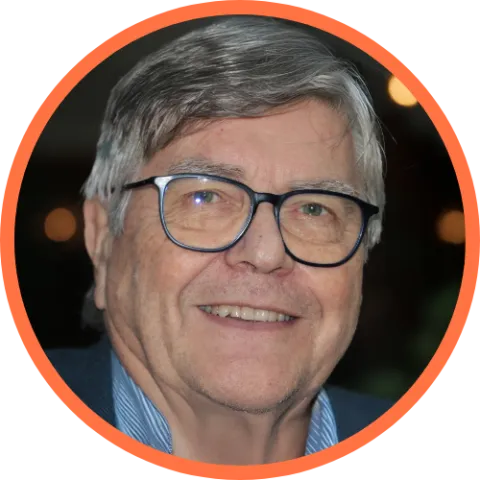
Matti Aapro
Oncologist, Board Member (Genolier Cancer Center) / President (Sharing Progress in Cancer Care (SPCC))
Genolier Cancer Center / Sharing Progress in Cancer Care (SPCC)
Collonge–Bellerive, Switzerland
Matti Aapro is a medical oncologist at the Genolier Cancer Centre, Switzerland, President of Sharing Progress in Cancer Care (SPCC), Past-President of All.Can, past member of the Advisory Board of the European School of Oncology (ESO), and member of the Board of the Union for International Cancer Control (UICC), Past-President of the European Cancer Organisation. He received his medical degree from the Faculty of Medicine of Geneva, Switzerland, and was a fellow at the Arizona Cancer Centre in Tucson, USA. He was the founding Chair of the Medical and Radiation Therapy Department at the European Institute of Oncology in Milan, Italy.
Dr Aapro’s major interests are breast cancer, cancer in older people (he helped create the International Society for Geriatric Oncology (SIOG)), supportive care, and access to treatment. A former Board member of the European Organisation for Research and Treatment of Cancer (EORTC) and Past-President of the Multinational Association for Supportive Care in Cancer (MASCC) and counsellor to JASCC (Japan) and RASCC (Russia), Dr Aapro was a member of the board of the European Society for Medical Oncology (ESMO) and received the recognition of Fellow of ESMO in 2023. He chaired the scientific and organising committees of UICC’s World Cancer Congress in 2008 for the Geneva Congress. He supported the 2010 UICC Shenzhen Congress committee and continues to be in contact with the Chinese Anti-Cancer Association (CACA). He works closely with Oncodaily.
Why would you like to be on the UICC Board of Directors?
UICC is a leader in the international cancer area. To be a Board member of UICC has been an opportunity to help so many who work to prevent cancer, detect it early, permit access to all treatments, and above all, listen to the person's diverse needs in a constantly changing world. I have been privileged to work with UICC for many decades, and have been on the Board or directed many important societies, and to have thus developed an understanding of cancer policy and its many aspects. The network of colleagues that I can reach will help me in continuing to support UICC's members, addressing primarily breast cancer, supportive care, and access to surgical, radio-oncological, and medical treatment. And, most importantly, support the prevention of cancer, through the constant efforts of UICC and its members to abolish tobacco use and address the causes of obesity. My priorities will be your priorities, as determined by the General Assembly and the discussions of the Board with UICC's team. UICC has demonstrated that it can adapt its policy as needed, in collaboration with many stakeholders. The high-level interventions of UICC and other leading organisations have brought and will bring positive changes in the life of citizens, decreasing cancer risk and improving the use of limited budgets in priority areas, which are diverse between continents, within continents, between countries, and within countries. Together we will continue to work to achieve the goals set by WHO and UICC.
What makes you a good candidate for the UICC Board of Directors?
It is a great honour to be able to present myself to the election of UICC’s Board of Directors. True when I was first elected, and true today, I believe I can continue to bring many skills and international experience to the UICC Board of Directors, where all together we can direct the Organisation along the road traced by the General Assembly. In the past two terms, it has been a pleasure to work in many languages alongside distinguished and motivated colleagues in order to advance cancer control worldwide. The expected challenges have become more complex as political and humanitarian crises develop even more. But in many areas there has been progress, as in Europe with the Beating Cancer Plan, which has many initiatives that can inspire other continents. Together, joining forces to speak loud and clear to those who take crucial decisions, we should be able to strengthen the work of UICC in the next years. UICC is a key partner of major organisations like WHO, and works with many groups and societies dedicated to the prevention of cancer, its treatment, and the support of people with cancer worldwide. Thanks to you, its members, UICC can influence key stakeholders and promote actions that you ask for in the General Assembly and during frequent interactions. As Board member, I will help this to happen, with the support of all the other Board members, President Zainab Shinkafi-Bagudu, and the great team directed by Cary Adams.
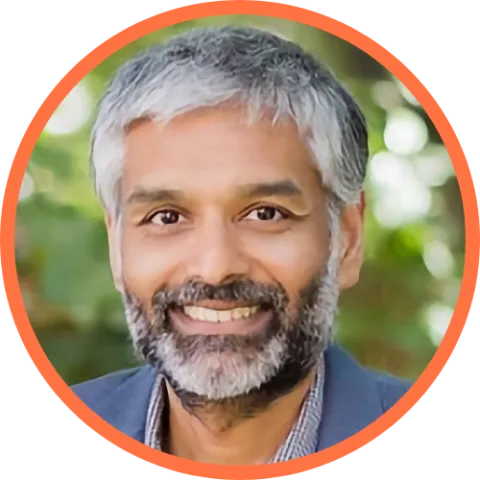
Anu Agrawal
Vice President, Global Cancer Support
American Cancer Society
San Francisco, United States of America
Dr Anurag K. Agrawal is a paediatric haematologist-oncologist and bone marrow transplantation physician. He joined the American Cancer Society in May 2024, and leads ACS’ global cancer support programmes, which focus on technical assistance to in-country partners, spanning 78 countries in the prior year. The work is cross continuum, from cancer prevention/screening to patient support (patient education, patient navigation), and healthcare provider support/quality improvement initiatives.
Dr Agrawal helped lead development of Southeast Asian Paediatric Haematology/Oncology (SEAPHO), which is focused on strategic initiatives to improve paediatric cancer outcomes in Vietnam, including initiating a 2-year master’s level training programme there since 2018, which now spans all regions of the country. Prior to that, he was Medical Director of Paediatric Haematology/Oncology in Gaborone, Botswana, as part of Texas Children’s Cancer and Haematology Center from 2011–2012, and a Paediatric AIDS Corps Physician as part of the Baylor International Paediatric AIDS Initiative in Maseru, Lesotho, from 2007–2008.
While full-time at UCSF Benioff Children’s Hospital from 2014–2024, he developed and directed the early phase and cellular therapies programmes, with special interests in integrative oncology, supportive care, pain management, and health disparities, in addition to global health.
Why would you like to be on the UICC Board of Directors?
I appreciate the opportunity to serve on the UICC Board of Directors. I have had the privilege of working in multiple global oncology settings as a paediatric oncologist, and now as Vice President, Global Cancer Support at the American Cancer Society.
Since I began at the American Cancer Society, I have been focused on increasing our connectivity and collaboration with partners, and I see this as a key goal for the work that we must do together to further care for persons with cancer and their caregivers, especially given the increasing incidence of cancer coupled with fewer and fewer resources, especially for vulnerable and marginalised populations.
Additionally, the American Cancer Society, and the work we have been doing globally, has been focused on moving from discussing patient-centred care to implementing it sustainably and adapted to the local context through our multiple navigation programmes, most recently highlighted by the launch of the Global Alliance for Cancer Patient Navigation in 2025. This Alliance is focused on collaboration and developing frameworks for implementation in all settings, and is a key, evidence-based approach to improving access and patient-centred care.
Serving on the UICC Board is a natural extension of this work, and will allow me to further engage with the needs of the global oncology community, and advocate for collaborative and sustainable solutions for these real-world problems adapted to the local context.
What makes you a good candidate for the UICC Board of Directors?
I believe that I am a good candidate for the UICC Board of Directors for multiple reasons. First and foremost, I am focused on listening—by understanding the current work of the Board, and the needs of UICC constituents, I will be much better able to serve all of you in this role.
Second, I believe that true collaboration is the key to making meaningful and sustainable progress. UICC, and my work at the American Cancer Society, both foster this principle, and I look forward to looking at ways to further this in a meaningful way.
Third, I am focused on patient-centred care, access, and quality care for all populations. Again, exemplified by the work I have done in my career, as well as at the American Cancer Society, I have always been focused on advocating for persons with lived experience (PWLE)—though we have made progress, there is still much to be done to impact the medical-industrial complex that affects prevention and care of PWLE.
Finally, at the individual level, I am focused on integrity. None of the above principles have meaning unless they come in the background of being fair, measured, and honest, and by really listening first. My team would be the first to say that I do truly espouse these beliefs, as well as the belief in life-long learning and altruism. These principles are my ikigai, and I feel fortunate to have the opportunity to do more with your support.
Thank you!
Arasb Ahmadian
Chief Executive Officer
MAHAK Charity Institute- Society to Support Children Suffering from Cancer
Tehran, Iran
Dr Arasb Ahmadian is the CEO of MAHAK Charity Institute, a leading paediatric cancer support organisation in the Middle East. Over the past three decades, MAHAK has served more than 47,000 children with cancer, and their families. With over 19 years of executive experience in healthcare and non-profit management, Dr Ahmadian has guided MAHAK’s transformation into an internationally recognised model of integrated oncology care, research, and advocacy.
Holding a Post-Doctorate and Doctorate in International Business Administration, alongside an MSc in Geophysics, and a BSc in Engineering Physics, he combines scientific precision with strategic acumen. His expertise spans healthcare management, innovation, and digital transformation. Under his leadership, MAHAK has significantly expanded specialised services, such as neuro-oncology and stem-cell transplantation, while enhancing financial sustainability. Beyond his executive duties, Dr Ahmadian is a university lecturer in strategic management, and a frequent speaker on social impact, consistently advancing equitable, sustainable cancer care on both national and international levels.
Why would you like to be on the UICC Board of Directors?
I would be honoured to serve on the UICC Board of Directors, as I believe international collaboration is essential to reducing the global cancer burden and ensuring equitable access to care. Throughout my career, I have worked to strengthen paediatric oncology, improve patient outcomes, and build sustainable healthcare systems. Serving on the UICC Board would provide a platform to contribute these strategic experiences to the global cancer community.
I bring over 19 years of leadership in healthcare, non-profit management, and innovation. As CEO of MAHAK Charity Institute, I have led initiatives combining clinical excellence, research, digital transformation, and sustainable fundraising, while developing partnerships across government, academia, and the private sector.
My objective as a Board member would be to support UICC’s efforts to reduce health inequalities, strengthen systems, and expand support for children and adolescents. I am particularly interested in capacity building and global partnerships. Through MAHAK’s international engagement, I have long supported the values championed by UICC, and welcome the opportunity to help shape its future strategic direction and collective impact.
What makes you a good candidate for the UICC Board of Directors?
My qualifications combine executive leadership, healthcare management, academic expertise, and international experience. For more than 19 years, I have led one of the region’s leading paediatric oncology organisations, overseeing healthcare, research, fundraising, and organisational development, while serving thousands of children and families affected by cancer.
I have extensive experience in strategic planning, governance, financial sustainability, innovation, and change management. Under my leadership, MAHAK expanded specialised cancer services, improved operational efficiency, advanced digital transformation, and strengthened long-term sustainability. These experiences have given me practical insight into the challenges and opportunities facing cancer organisations across diverse healthcare and economic contexts.
In addition, my academic background in international business administration, and my role as a university lecturer, have strengthened my ability to analyse complex issues, develop evidence-based strategies, and contribute to policy and governance discussions. Most importantly, I am committed to collaboration, inclusion, and the belief that every person affected by cancer deserves access to high-quality care.
Zipporah Ali
Palliative Care Physician / Public Health Specialist
African Palliative Care Association / Kenya Hospices and Palliative Care Association boards
Nairobi, Kenya
Zipporah Ali was instrumental in setting up the Kenya Hospices and Palliative Care Association (KEHPCA) and worked as its executive director for 15 years until her retirement in 2021. Before that, she worked as the senior medical officer at the Nairobi Hospice for 15 years. She currently serves on the boards of KEHPCA and the African Palliative Care Association. She is an active member of the Kenya Society of Haematology and Oncology and co-chairs its Outreach Subcommittee, the Nairobi City Executive Committee – City Cancer Challenge, and the Africa Cancer Survivorship ECHO.
She continues to be involved in awareness and advocacy on pain relief, palliative care, and universal health coverage for all. In her leadership role as executive director for KEHPCA, she was very instrumental in fostering strong relationships with the Ministry of Health to integrate palliative care into government hospitals, and advocating for palliative care to be included in undergraduate medical and nursing schools in Kenya.
She is a strong advocate for cancer prevention, control, and treatment. She was instrumental in developing the first National Cancer Control Strategy, and the National Guidelines for Cancer Management. She has been involved at the World Health Assembly (Geneva), and the UN High-Level Meetings on non-communicable diseases.
She is currently a co-investigator in research titled “An integrated community-clinic model of optimised implementation strategies to increase early detection of breast and cervical cancers in selected counties in Kenya.”
Why would you like to be on the UICC Board of Directors?
I strongly believe in UICC’s mission – shaping global cancer advocacy and driving equitable access to care. I want to be part of the global movement and work closely with other professionals to bring a positive impact, where cancer is no longer a death sentence.
I have worked in the cancer space for over 30 years as an advocate, a trainer, and a service provider (as a palliative care physician). I have gained extensive knowledge, skills, and understanding working with policymakers, professionals, communities, people living with cancer, and their loved ones, that I believe will be beneficial to UICC’s global impact, especially in advocating for palliative and survivorship in low- and middle-income countries.
Some of the objectives I would like to achieve include: a world where all people living with cancer have access to the best quality of care (life) across the continuum of cancer care, including palliative care, pain relief, and survivorship care; a world that recognises and embraces those with lived experience in cancer planning.
I am interested in universal health coverage, improving access to essential medicines for cancer care across the continuum, in particular, access to pain relief and other essential palliative care medications – through equitable care and health systems.
I am interested in cancer prevention, particularly in creating awareness, prevention, early screening, and treatment of the common cancers killing women in my country – breast and cervix.
I have presented and spoken in workshops at UICC conferences, and abstract review.
What makes you a good candidate for the UICC Board of Directors?
I am passionate about people.
I have been involved at the national, regional, and global levels in advocating for cancer care. I have been instrumental in participating in all the National Cancer Control strategies in Kenya, ensuring that palliative and survivorship care is included in our strategies and treatment guidelines. I was part of the technical working group that drafted the first cancer bill in Kenya. I was also very instrumental in pushing for a palliative care policy in Kenya and palliative guidelines.
I have experience in national, regional, and global boards. I currently serve on the African Palliative Care Association and the Kenya Hospices and Palliative Care Association boards, as well as the Nairobi City Cancer Challenge Executive Committee. I am also an advisor for the MSF Canada: Transformational Investment Capacity project, supporting palliative care projects. I am a past chair of the NCD Alliance-Kenya. I believe my experiences on these boards will be resourceful to the UICC board.
As the executive director of KEHPCA, it was my responsibility to build networks and partnerships with local, regional, and global organisations, development partners, and our national government. I was responsible for the success of the organisation, which included fundraising to ensure sustainability. I also ensured that KEHPCA was an associate member of UICC.
I have the time needed to serve on the UICC board.
Stella Bialous
Professor
University of California, San Francisco
San Francisco, United States of America
Stella Bialous received her Nursing degree from the Federal University of Rio de Janeiro, Brazil, and her Master’s in Nursing Sciences from The Johns Hopkins University. She holds a Doctorate in Public Health from the University of California, Berkeley. She has been an active member of the International Society of Nurses in Cancer Care, serving as President of the Society and in other leadership roles.
She began her career as a nurse in Brazil and later transitioned to the United States, focusing on public health and health policy. She has had the privilege of working with the World Health Organization and the Secretariat of the Framework Convention on Tobacco Control, which has enabled her to collaborate with colleagues in countries across all regions in advancing tobacco control and implementation of the Convention. She has also engaged in capacity building of nurses worldwide to support their engagement in policy and leadership.
Stella Bialous is currently a Professor at the University of California, San Francisco, where she teaches and conducts research locally and globally, most recently on the integration of non-communicable disease risk factors into communicable diseases primary care. She has published widely on issues related to tobacco control policy and programmes, tobacco dependence treatment, capacity building for care across the cancer continuum, and the impact of commercial determinants of health on human and planetary health. She has served on the UICC Board of Directors for the past four years.
Why would you like to be on the UICC Board of Directors?
Serving on the Board of Directors these past four years has been an incredible privilege. I have brought my extensive experience working across continents to the Board, and my expertise in policy analyses. I have had the opportunity to participate in the review and development of plans for the organisation for the next ten years, including the World Cancer Declaration 2025–2035. This was based on membership feedback, and has already led to new initiatives being launched.
As we move into the next steps of supporting the implementation of the Declaration, I would like to continue to bring my skills in policy and advocacy, including the translation of evidence into policy practice, to the Board and to support UICC members.
I would also like to continue to be a voice for nurses, the largest group of health care professionals in the world, and pivotal for the achievement of the Declaration Goals. Nurses will be at the forefront of primary prevention, early detection, and policy leadership, and I hope to contribute to the development of strategies that will strengthen nurses’ engagement. Policies that support and sustain system changes will be essential, and they need to be based on the best available evidence.
My experience and expertise in policy development and evaluation will continue to be an asset to the Board. If elected, I hope to continue to work in Capacity Building, and Policy and Advocacy Areas, where I can best contribute to the work of UICC on behalf of its membership.
What makes you a good candidate for the UICC Board of Directors?
I have over 30 years of experience working internationally in a range of spaces. I have successfully worked with government, non-government, and academic organisations in high-, middle-, and low-income countries.
As a native Brazilian who lives in the United States, but works globally, I have had the opportunity to develop advanced skills to be effective in multicultural, multidisciplinary settings. Global Health Diplomacy is increasingly necessary to achieve common health and development goals, and my background and work history has prepared me, and continues to prepare me, to offer insightful and sensitive feedback to the work of UICC on behalf of its members, especially nursing professionals.
Additionally, my skills in the area of policy development, implementation, and evaluation can significantly contribute to the work of UICC on behalf of its members, as UICC seeks to contribute to the global cancer care agenda, and to strategically implement the Goals of the World Cancer Declaration. And last, but not least, I am fluent in Portuguese, French, English, and Spanish, which facilitates the building of connections and relationships across a significant portion of the globe.
I believe my commitment to UICC’s mission, and the seriousness with which I take my role on the Board, are indications that I do not take this privilege lightly and will continue to make contributions to the organisation, and importantly, to the membership with renewed commitment.
Maira Caleffi
Founder and Permanent Member of the Board of Directors
FEMAMA
Porto Alegre, Brazil
Dr Maira Caleffi, MD, PhD (University of London), is a breast surgeon, healthcare leader, and internationally recognised advocate for cancer control and patient-centred care. She completed postdoctoral training in genetics and cancer at Vanderbilt University, USA, and has dedicated her career to advancing equitable access to cancer prevention, early detection, diagnosis, treatment, survivorship, and supportive care.
Based in Brazil, Dr Caleffi is Head of the Breast Unit and Prevention Programmes at Hospital Moinhos de Vento, Founder and Chair of FEMAMA, and a member of the UICC Board of Directors. She also serves as President of the IGCC Board, Chair of the EAC of IEEPO, a member of the BCCC, and a board member of the Global Surgery Foundation.
Throughout her career, she has worked with governments, healthcare institutions, civil society organisations, and international partners to strengthen cancer control policies, improve health systems, and expand access to quality care. Her leadership has advanced innovative models integrating clinical excellence, public health, implementation science, and patient engagement.
A respected voice in the global cancer community, Dr Caleffi has played an active role in initiatives focused on health equity, reducing disparities in cancer outcomes, and advancing sustainable cancer control strategies. She advocates for ensuring that patient perspectives inform policy development and healthcare decision-making.
Why would you like to be on the UICC Board of Directors?
I am seeking election to the UICC Board of Directors because I believe this is a pivotal moment for the global cancer community. While advances in science and technology continue to transform cancer care, millions still lack access to timely diagnosis, quality treatment, and supportive care. UICC plays a unique role in bringing together stakeholders to address these inequities, and I would be honoured to contribute to that mission.
As a breast surgeon, cancer advocate, and health system leader from Latin America, I have spent more than two decades working across clinical care, policy, implementation, and patient advocacy. Through collaboration with governments, civil society, academic institutions, and international organisations, I have gained experience translating evidence into action and building partnerships that drive sustainable change.
If elected, I would focus on strengthening UICC’s work in health equity, patient-centred care, early detection, and health system implementation. I am committed to ensuring that patient and frontline healthcare professional voices are reflected in global cancer policies and programmes.
My objective is to accelerate effective cancer control strategies, particularly in low- and middle-income countries, while fostering collaboration across regions and disciplines. Having engaged with UICC initiatives and networks, I am committed to contributing my experience and international perspective to advance UICC’s vision and impact worldwide.
What makes you a good candidate for the UICC Board of Directors?
I believe I am a strong candidate for the UICC Board because I bring a unique combination of clinical expertise, health system leadership, international collaboration, and patient advocacy.
As a breast surgeon and healthcare leader, I have firsthand experience of challenges people face across the cancer continuum – from prevention and early detection to treatment, survivorship, and palliative care. My career has been dedicated to delivering high-quality care and improving systems that enable better outcomes.
I have worked at national, regional, and global levels, collaborating with governments, professional societies, academic institutions, patient organisations, and international partners. These experiences provided a broad understanding of cancer control and the importance of translating commitments into action.
Throughout my career, I have led multidisciplinary initiatives, built strategic partnerships, and advocated for policies that improve access to care and reduce disparities. I am comfortable working across cultures and sectors to achieve common goals.
Importantly, I bring the perspective of Latin America, a region with innovation and expertise, but also substantial unmet needs in cancer care. This perspective can contribute meaningfully to UICC’s commitment to equity and global representation.
My leadership style is collaborative, inclusive, and action-oriented, and I am committed to helping UICC strengthen its role in uniting and empowering the global cancer community.
Fatima Cardoso
President
Advanced Breast Cancer (ABC) Global Alliance
Nice, France
Why would you like to be on the UICC Board of Directors?
I would like to join the UICC Board to continue moving the cancer agenda forward. In particular, I would like to be the voice for those living with metastatic/advanced cancers and their families.
Currently, in low- and middle-income countries, the proportion of patients diagnosed at an advanced stage can reach 60–70%, and in high-income countries, even when diagnosed early and adequately treated, a substantial number of patients will develop metastatic disease (25–30% for breast cancer).
These patients have been forgotten for too long, and have very specific needs. This situation motivated me to fund and lead the ABC Global Alliance, and the ABC Consensus Conference and Guidelines.
This work has equipped me with deep knowledge and recognised expertise. A major unmet need for these patients is equal access to timely diagnostics (imaging, biomarker, high-quality pathology), optimal treatment and innovation, but also evidence-based, high-quality multidisciplinary care.
Their needs must be included in all National Cancer Plans. Currently, I am working for policy changes to improve care, psychosocial and financial protection for patients with advanced cancers at European level.
I believe UICC is the ideal platform to promote these much-needed policy changes at global level, which will lead to true people-centred care and health systems strengthening, ultimately improving outcomes for cancer patients worldwide.
What makes you a good candidate for the UICC Board of Directors?
UICC is recognised for convening diverse players to address cancer control. With my strategic vision, international perspective, and leadership experience, I believe I would be a good addition to its Board, striving to develop and implement its priority areas, while fostering collaborations with key stakeholders in the field.
I have long-standing experience and known expertise in global cancer policy, access and equity, as well as deep knowledge of the oncology clinical and research fields. I have served as Board member of ESMO, ECCO and EORTC, and have had/have roles in several committees of leading oncology organisations such as ASCO, ESMO, AACR, ESO, EORTC, and E.C.O.. As a renowned breast cancer expert, and through the work of the ABC Global Alliance, I have collaborated as a trusted partner with global initiatives, including the WHO Global Breast Cancer Initiative (GBCI) and the Lancet Breast Cancer Commissions. Women’s cancers have been the focus of my entire career as an oncologist.
Furthermore, I have been an active contributor to the ATOM Medicines Expert Advisory Group and Country Support Committee, as well as to the UICC Breast Cancer programme.
Hesham Elghazaly
President
Egypt Cancer Society
Cairo, Egypt
Hesham Elghazaly, Professor of Clinical Oncology at Ain Shams University, currently serves as Chairman of Egypt’s Presidential Initiative for Women’s Health, which has significantly improved breast cancer screening coverage, reduced diagnostic delays, and enhanced access to timely treatment nationwide.
Prof. Elghazaly is President of the Egyptian Cancer Society, and Director of the Medical Ain Shams Research Institute (MASRI). He is the Founder and Chair of the Breast–Gynaecological International Cancer Conference (BGICC), the largest specialised oncology conference in Africa and the Middle East. Internationally, he is an elected member of the Scientific Board of the International Agency for Research on Cancer (IARC/WHO), and serves on the Board of Directors of the Advanced Breast Cancer (ABC) Global Alliance.
He is also an active member of the General Assembly of the Union for International Cancer Control (UICC), the Breast International Group (BIG), ESMO early breast scientific group, and multiple international scientific and policy committees.
A strong advocate for equity-oriented cancer control, his work focuses on adapting global oncology standards and resource-stratified guidelines to low- and middle-income country settings. Prof. Elghazaly has authored or co-authored more than 150 peer-reviewed publications and book chapters, contributing to international guidelines and consensus statements in cancer care.
He was named among the 100 Most Influential Figures Worldwide in Oncology by OncoDaily.
Why would you like to be on the UICC Board of Directors?
I strongly believe in its mission to reduce the global cancer burden through equity, collaboration, and evidence-based action. I have worked at the intersection of clinical oncology, public health policy, and global advocacy, and I see the UICC Board as a great platform where these dimensions converge to deliver meaningful, measurable impact—particularly for low- and middle-income countries.
My international experience includes serving as an elected member of the Scientific Board of IARC/WHO, Board Member of the ABC Global Alliance, active participation in UICC General Assemblies, and international organisations: ASCO, ESMO, BIG, NCCN-MENA, and AORTIC. I have led multi-stakeholder initiatives, built cross-regional partnerships, and translated global frameworks into scalable national programmes.
My key area would be to continue strengthening UICC’s impact in low- and middle-income countries by supporting implementation of equitable cancer control strategies, advancing resource-stratified guidelines, and reinforcing the science–policy interface. I am committed to improving policies of early detection, access to quality treatment, and survivorship care. I would like to be most actively involved in cancer control policy and advocacy, capacity building, and reducing inequities in cancer outcomes.
My experience leading Egypt’s PIWH, one of the largest population-based cancer screening programmes, has shown me how global principles can be successfully adapted to national contexts when supported by strong governance and partnerships.
What makes you a good candidate for the UICC Board of Directors?
I believe my work uniquely combines national cancer policy leadership with sustained international governance roles, with a strong focus on equity and women’s health.
As Chairman of Egypt’s PIWH, I lead one of the largest population-based women’s cancer programmes in the region, transforming breast cancer control by expanding nationwide screening, shortening diagnostic pathways, and integrating early detection with timely treatment within the public health system.
Leading this initiative has strengthened my experience in large-scale programme governance, multisectoral coordination, monitoring outcomes, and aligning national strategies with global cancer control frameworks—skills directly relevant to UICC Board responsibilities.
Internationally, I have experience in global cancer governance and representation of low- and middle-income countries, such as in IARC/WHO and ABC, representing perspectives in shaping global advocacy and policy agendas. I am also an active member of the UICC General Assembly and have contributed to international clinical guidelines, consensus statements, and policy dialogues across multiple regions.
These roles have equipped me with the ability to bridge science, policy, and implementation, and to translate global recommendations into effective national action.
As a UICC Board member, I would contribute strategic insight from large-scale programmes, strengthen low- and middle-income country representation, and support UICC’s mission to reduce inequities and advance equitable cancer control worldwide.
Jesper Fisker
CEO
The Danish Cancer Society
Copenhagen, Denmark
Jesper Fisker is CEO of the Danish Cancer Society, which consists of an international research institute, a prevention centre, and several counselling units for patients and relatives. Previously, he served as Permanent Secretary in several Danish ministries, including the Ministry of Education, the Ministry of the Interior and Health, and the Ministry of Social Affairs, where he led major policy reforms and public institutions.
He works to advance cancer control policies and strengthen healthcare systems, aiming to improve the lives of people affected by cancer.
He has held several board positions, including membership of the WHO Executive Board, and was appointed by the government to chair Denmark’s Health Structure Commission, where he helped shape effective and sustainable healthcare systems at local, regional, and national levels. He also served as Chair of University College Copenhagen, educating Denmark’s frontline healthcare professionals.
He is a member of the Nordic Cancer Union Board, the European Fair Pricing Network Steering Committee, and the Danish Patient’s Organisation Board. He chairs the LIFE Foundation Board, a non-profit that educates children and young people in science and technology to support future skills in society.
His career combines public sector leadership, organisational governance, and international collaboration, and he is focused on strengthening health systems and advancing cancer control.
Why would you like to be on the UICC Board of Directors?
I would be honoured to contribute to UICC’s fight against cancer. As a global leader, UICC brings together governments, patients, and civil society in a unique partnership, creating real change for cancer patients and their relatives globally. I offer experience in health system reform, coalition-building, and public mobilisation.
As CEO of the Danish Cancer Society, I lead Denmark’s largest health NGO, supported by 400,000 paying members in a country of just 6 million (around 1 in 10 adults), and 35,000 volunteers. I drive the organisation’s work across research, prevention, and patient and relative support, as well as advancing cancer control agendas nationally, in Europe, and globally. I oversee the Danish Cancer Institute, the organisation’s world-class research centre, with strong international partnerships.
During my career, I have served as Permanent Secretary in several ministries under successive governments, and collaborated with WHO, the UN, European and Nordic cancer leagues, and the NCD Alliance in East Africa. Other notable engagements include the UICC’s Reimagining Cancer Research in Europe, and the UICC’s Solidarity Fund for Ukraine.
My priorities are:
- advancing tobacco and nicotine endgame strategies,
- improving equitable access to medicines,
- reducing inequalities in cancer prevention, treatment, and care,
- strengthening civil society.
What makes you a good candidate for the UICC Board of Directors?
I have spent most of my life working to make health systems fairer and more transparent, from the halls of government to the heart of civil society. Whether shaping national health reforms or building global partnerships, I have learned that progress in cancer control depends on courage, determination, and a shared conviction that everyone deserves equal access to health care.
Chairing Denmark’s National Health Structure Commission, I gained extensive experience in developing and implementing complex reforms. This work led to Denmark’s most significant healthcare reform in a quarter century. My expertise in strategic thinking and organisational leadership will benefit the incoming UICC Board, helping turn priorities and visions into action.
With my multifaceted background, I have extensive experience working across sectors and levels. By engaging policymakers, healthcare professionals, patient organisations, and civil society, I have built common purpose across perspectives, and ensured that diverse voices are reflected in policy and practice.
Through my collaborations with WHO, the UN, European and Nordic cancer leagues, and the NCD Alliance in East Africa, I have developed extensive international networks, and a strong understanding of the opportunities and challenges facing cancer control across different settings.
I will support and build on the UICC Board’s work, bringing a coalition-driven approach that will help advance UICC’s key priorities.
Jihui Hao
Executive Vice President
China Anti-Cancer Association
Tianjin, China
Prof. Jihui Hao serves as Executive Vice President of China Anti-Cancer Association (CACA), President of Tianjin Medical University (TMU), and Cancer Institute & Hospital (TMUCIH). As a renowned cancer leader and oncologist, his leadership spans multiple national and ministerial-level platforms dedicated to cancer research and translation, and improving overall management of cancer institutions.
Prof. Hao's academic contributions focus on pancreatic cancer, gastrointestinal malignancies, and precision oncology. He has published extensively in high-impact journals, and has been honoured with State Science and Technology Awards, among other prestigious accolades, recognising his contributions to cancer research and clinical translation. As Chairman of Cancer Precision Treatment Committee of CACA, and Executive Editor-in-Chief of Cancer Biology & Medicine and Chinese Journal of Clinical Oncology, he plays a pivotal role in shaping national oncology strategies. Through his integrated leadership in research, education, and clinical practice, Prof. Hao remains committed to advancing precision medicine and improving outcomes for cancer patients.
Why would you like to be on the UICC Board of Directors?
As Executive Vice President of CACA—which serves as China’s leading voice in cancer control—I have witnessed how national efforts can drive transformative change. I seek to join the UICC Board to bridge China’s vast clinical and research network with global strategies, fostering international collaboration in precision oncology, cancer centre management, and access to innovation.
My international experience includes leading bilateral research initiatives, publishing in high-impact journals, and serving as Executive Editor-in-Chief of Cancer Biology & Medicine. I bring skills in large-scale institutional governance, translational research policy, and national guideline development. My objective is to advance UICC’s mission by integrating CACA’s resources into global capacity-building, particularly in low- to middle-income settings.
I am eager to contribute to UICC’s priority area of strengthening health systems and cancer institutions. Drawing from my role as President of Tianjin Medical University Cancer Institute & Hospital—the birthplace of oncology in China and one of the country’s largest cancer centres—I can help shape best practices for institutional management, quality control, and workforce training. My goal is to cultivate global-minded medical talents, and contribute to human health. As Executive Vice President of CACA, I have contributed to UICC indirectly through CACA’s joint international symposia and shared clinical data platforms.
What makes you a good candidate for the UICC Board of Directors?
My candidacy is built on a unique integration of clinical leadership, research excellence, and national policy influence in oncology. As President of Tianjin Medical University and its Cancer Institute & Hospital, I oversee one of China’s most comprehensive cancer centres. My recent selection as Executive Vice President of the China Anti-Cancer Association (CACA)—which represents over 870,000 oncology professionals nationwide—has further strengthened my ability to mobilise large-scale resources, shape national guidelines, and drive consensus across diverse stakeholders. This role places me at the nexus of China’s cancer control strategy, giving me a vantage point to facilitate UICC’s engagement with one of the world’s largest oncology communities.
My publication record spans high-impact journals including Cancer Cell, Gut, Gastroenterology, Nature Communications, and Science Advances. As Vice Director of the National Clinical Research Cancer Centre, I have direct experience in multi-centre trials and evidence generation.
I am qualified to help UICC advance precision oncology, strengthen cancer institutions globally, and foster equitable research partnerships—bringing both Chinese institutional leadership and global scientific perspective to the Board.
Todd Harper
CEO
Cancer Council Victoria
Melbourne, Australia
Todd Harper AM is a current Board Director with UICC, and is CEO of Cancer Council Victoria, based in Melbourne. He was the UICC nominee for the first NCD Alliance Board, serving from 2017–23, and as President from 2019–21. He chairs the NCD Alliance Grant Oversight Committee. Todd holds a Bachelor’s Degree in Economics, a Postgraduate Diploma in Health Promotion, and a Master’s Degree in Economics.
Todd has led major advances in cancer research, prevention, and support, academic collaborations in economics and cancer, established the McCabe Centre for Law and Cancer, and has been a leading advocate for public health reforms.
Todd has been instrumental in driving transformative public health campaigns, including efforts to reduce the harms of tobacco and vaping, junk food, solariums, and HIV/AIDS. He has also championed bowel screening, cervical cancer and liver cancer elimination, and enhanced supportive care for cancer patients. He was CEO of VicHealth and earlier led Quit Victoria and the Tasmanian Council on AIDS and Related Diseases.
In 2018, he was awarded an Honorary Doctorate by Deakin University for a “willingness to be innovative and brave in advocating for public health.” In 2022, Todd was awarded a Member of the Order of Australia for “significant service to cancer support programmes, and to medical governance.”
He was recently named one of OncoDaily’s 100 Most Influential CEOs in Oncology.
Why would you like to be on the UICC Board of Directors?
We stand at a pivotal moment for global cancer control—building on hard-won progress while facing urgent, emerging challenges.
We have made precious gains in tobacco control, treatment, and support for cancer patients.
We now face a growing cancer burden amid significant challenges to the sustainability of our health and cancer systems—persistent inequities, workforce constraints, financing pressures, AMR, and climate change, to name a few.
My commitment to UICC and the global community is to advance our collective goals for universal health coverage, prevention and screening, and empowering cancer patients through enhanced supportive care and navigation.
Having worked for decades in cancer prevention, I am driven by the collective capacity of our organisations to share expertise and programmes to transform outcomes and push back against the influence of the tobacco, junk food, and alcohol industries.
I have seen the impact of supportive care and navigation; with rising costs, diagnoses, and workforce constraints, these must remain priorities for cancer control. I understand how population strategies in media, law, policy, and economics lift outcomes and reduce inequities—and how sharing expertise accelerates this work.
I am committed to UICC’s UHC advocacy, vital for improving equity, effectiveness, and value for money in our health care systems, and to ensuring new technologies are accessible to all.
What makes you a good candidate for the UICC Board of Directors?
My experience in advocacy, programme delivery, executive leadership, and governance equips me to advance UICC’s mission and the priorities of its diverse global membership.
Over 25+ years, I have led impactful public health and cancer advocacy across organisations including Cancer Council Victoria, Quit, VicHealth, and the NCD Alliance, with a focus on translating evidence into policy and population-level change.
As CEO of Cancer Council Victoria since 2011, I have overseen integrated work in research, prevention, support, and advocacy—delivering measurable impact in tobacco control, cancer screening, early detection, and public education on risk factors such as smoking, SunSmart, and healthy eating, alongside major campaigns in bowel, liver, and cervical cancer.
I bring a strong commitment to equity and to strengthening cancer control in low- and middle-income countries, recognising the disproportionate burden of cancer and the need for capacity building, sustainable partnerships, and knowledge exchange across UICC’s membership.
I offer a strong track record of global engagement and governance: current UICC Board Director, Chair of the NCD Alliance Grant Oversight Sub-Committee, former NCD Alliance President and Director (2017–23), and host of the 2025 World Cancer Leaders’ Summit in Melbourne.
I am committed to ensuring all members—across regions and resource settings—are supported to drive equitable progress in cancer prevention, treatment, and care.
Shushan Hovsepyan
Senior Vice President
OncoDaily
Yerevan, Armenia
Shushan Hovsepyan serves as Senior Vice President of P53 Inc., the parent organisation of OncoDaily and CancerWorld, and as Editor-in-Chief of OncoDaily Medical Journal.
Alongside these roles, she is Co-Chair of the SIOP Global Health Network Research and Innovation Working Group, Innovation and Development Director at the Immune Oncology Research Institute, and Adjunct Assistant Professor in the Department of Paediatric Oncology and Haematology at Yerevan State Medical University. She also serves as Co-Lead of the European Soft Tissue Sarcoma Group Rhabdoid Tumour Working Group, and is a member of the ASCO Annual Meeting Scientific Programme Committee for Paediatric Oncology.
Her work focuses on strengthening international collaboration, research capacity, education, and equitable access to cancer care, especially for children and young people worldwide.
Why would you like to be on the UICC Board of Directors?
It is a great honour and responsibility to be considered for the UICC Board of Directors. As the world's largest cancer organisation, UICC plays a unique role in bringing together diverse voices to advance global cancer control.
As a paediatric oncologist from a low- and middle-income country, I have seen firsthand how access to diagnosis, treatment, essential medicines, and supportive care can determine whether a child survives cancer. Too often, survival still depends on geography. This experience has shaped my commitment to equity and collaboration across the global cancer community.
At the same time, my work extends beyond paediatric oncology. Through OncoDaily, the world's largest oncology communication and intelligence platform, I engage daily with healthcare professionals, researchers, patients, advocates, policymakers, and industry leaders worldwide. This has shown me the power of communication and community building in driving meaningful change.
I would be honoured to bring three perspectives to the Board: the voice of childhood cancer, expertise in communication and stakeholder engagement, and the perspective of the next generation of cancer leaders. I am committed to listening, learning, and contributing to UICC's mission to reduce the global burden of cancer and improve outcomes for all people affected by the disease.
What makes you a good candidate for the UICC Board of Directors?
I bring a combination of clinical, scientific, communication, and leadership experience that reflects several of the priorities shaping the future of global cancer control.
My professional foundation is in paediatric oncology, where I have focused on improving outcomes for children with cancer through research, education, and international collaboration. I serve as Co-Chair of the Research and Innovation WG of the SIOP GHN, and contribute to several international committees, including within SIOP and ASCO.
As Senior VP of P53 Inc, the parent organisation of OncoDaily and CancerWorld, and Editor-in-Chief of OncoDaily Medical Journal, I have helped build the world's largest oncology communication and intelligence platform, connecting and amplifying the voices of healthcare professionals, researchers, patients, advocates, policymakers, and organisations across more than 140 countries. This has given me a broad understanding of the cancer ecosystem and the value of cross-sector collaboration. I also served as Co-Convenor of Global OncoThon for three years, including the 2026 edition held on World Cancer Day in collaboration with UICC, which brought together leaders and organisations from across the cancer community and beyond around a shared purpose. Most importantly, I would bring to the Board the perspective of an emerging generation of cancer leaders, while remaining deeply committed to ensuring that children and young people have a stronger voice within the global cancer agenda.
Julia Ismael
Scientific and Technical Director | Clinical Oncologist and Health Policy Researcher
ILACC – Latin American Initiative for Cancer Control
Caba, Argentina
Julia Ismael MD, MPH, is a clinical oncologist, health policy researcher, and Scientific and Technical Director of the Latin American Initiative for Cancer Control (ILACC). She previously served as Director of Argentina's National Cancer Institute, leading the development and implementation of national cancer control strategies and health system strengthening initiatives.
With more than 20 years of experience across clinical practice, public policy, academia, and civil society, she has worked extensively on improving cancer outcomes in low- and middle-income countries, promoting equitable access to quality cancer care, and advancing patient-centred approaches to cancer control.
Dr Ismael is actively involved in several international initiatives, including Women in Global Health Argentina, Women for Oncology Latin America, All.Can Argentina, and City Cancer Challenge collaborations. Her work focuses on cancer control, health systems strengthening, implementation science, health equity, digital transformation, and the use of data to improve decision-making and outcomes. She advocates for equitable cancer care and stronger cancer control systems in low- and middle-income countries.
She has contributed to regional and global projects addressing access to innovation, gender equity in oncology, patient experience, and national cancer control planning. Through her leadership across sectors, she seeks to bridge policy, practice, and innovation to advance equitable cancer care.
Why would you like to be on the UICC Board of Directors?
I am seeking election to the UICC Board because I believe effective cancer control depends on stronger links between global strategies and local implementation. Throughout my career—as a clinician, health policy researcher, civil society leader, and former Director of Argentina’s National Cancer Institute—I have worked to translate evidence into practical solutions that improve cancer outcomes and strengthen health systems.
I would bring to the Board extensive experience from Latin America and other low- and middle-income countries, contributing to national cancer control planning, health system strengthening, patient-centred care, digital transformation, and collaboration among governments, professional societies, patient organisations, academia, and industry.
As a Board member, I would support UICC’s mission by advancing initiatives that strengthen health systems, reduce inequities, expand access to innovation, and promote meaningful patient engagement. I am particularly committed to ensuring that the perspectives and needs of low- and middle-income countries are reflected in global cancer control priorities and actions.
I have actively contributed to the UICC community through collaborations, educational initiatives, and advocacy efforts. Serving on the Board would be an opportunity to contribute strategically to the next phase of UICC’s work, while bringing a strong commitment to partnership, evidence-informed decision-making, and inclusive leadership.
What makes you a good candidate for the UICC Board of Directors?
I believe I am a strong candidate for the UICC Board because I bring a unique combination of clinical, policy, academic, and civil society experience, together with a strong commitment to advancing equitable cancer control globally.
As a clinical oncologist and former Director of Argentina’s National Cancer Institute, I have worked across the full spectrum of cancer control—from patient care to national policy development and implementation. This experience has given me a practical understanding of the challenges faced by health systems, particularly in low- and middle-income countries, and the importance of translating evidence into action.
Throughout my career, I have built partnerships across governments, professional societies, patient organisations, academia, and industry to advance cancer prevention, early detection, treatment, survivorship, and health system strengthening. My current role as Scientific and Technical Director of the Latin American Initiative for Cancer Control (ILACC) has further strengthened my regional perspective.
I have also contributed to international initiatives focused on health equity, patient-centred care, women’s leadership, access to innovation, and strengthening cancer control capacity globally.
I would bring to the Board the perspective of a leader who has worked across government, civil society, academia, and healthcare delivery, translating cancer control policies into real-world implementation in low- and middle-income settings.
Christopher Jackson
Professor of Oncology
University of Otago
Dunedin, New Zealand
Chris Jackson is a medical oncologist, Professor of Medical Oncology at the University of Otago, and National Clinical Lead for Cancer Services in New Zealand. Throughout his career, he has worked across clinical care, research, advocacy, and health system leadership, with a strong focus on translating evidence into policy and improving equitable access to high-quality cancer care.
Previously, he served as Medical Director of the Cancer Society of New Zealand, where he helped lead advocacy efforts that contributed to the establishment of New Zealand’s national cancer control agency. He has also worked extensively in quality improvement, cancer service redesign, and national cancer policy.
Over the past two years, he has had the privilege of serving on the UICC Board of Directors and contributing through the Knowledge, Advocacy and Policy Committee, the Finance, Audit and Risk Committee, the Congress Committee, and the Scientific Committee for the 2026 World Cancer Congress.
Beyond UICC, Chris is actively involved in international collaborations including ASCO, Common Sense Oncology, the International Cancer Benchmarking Partnership, and London Global Cancer Week. These experiences have reinforced his belief that meaningful progress in cancer control comes from collaboration, shared learning, and a commitment to turning ideas into action.
He is proud to be the first New Zealander elected to the UICC Board. While he is a Kiwi, that is his nationality, and he is not a fruit. :)
Why would you like to be on the UICC Board of Directors?
Serving on the UICC Board has been very rewarding, and I believe I have contributed strongly. I am seeking re-election because I believe I can continue to make a meaningful contribution to UICC and its members.
Over the past two years, I have gained a deep appreciation for both the ambition of UICC and the dedication of its staff, volunteers, members, and partners. Through my work on the Knowledge, Advocacy and Policy Committee, Finance, Audit and Risk Committee, Congress Committee, and the Scientific Committee for the 2026 World Cancer Congress, I have developed a strong understanding of the organisation’s strategic priorities and governance responsibilities.
My professional career has focused on helping translate evidence and advocacy into real-world change. I have worked with governments, cancer organisations, clinicians, researchers, and patient advocates to improve cancer outcomes, and I believe these experiences can continue to add value to the Board.
If re-elected, I would like to support UICC’s ongoing work in advocacy, health systems strengthening, workforce development, and equitable access to care. I am particularly interested in helping UICC strengthen its engagement with governments and policy-makers, ensuring that cancer remains a global health and development priority.
As one of only a small number of current Directors standing for re-election, I can also offer continuity, institutional knowledge, and a commitment to helping the Board function effectively.
What makes you a good candidate for the UICC Board of Directors?
I bring a combination of experiences that is relatively uncommon in global cancer control. I am a practising medical oncologist, academic researcher, health system leader, advocate, and experienced board member. Throughout my career, I have worked at the intersection of science, policy, and implementation, helping translate evidence into real-world improvements in cancer care.
I have advised governments on cancer strategy, led national quality improvement programmes, and worked with cancer organisations, researchers, clinicians, and patient advocates to drive change. This experience has taught me how to build consensus, navigate complexity, and turn ideas into action.
My international networks include ASCO, Common Sense Oncology, the International Cancer Benchmarking Partnership, London Global Cancer Week, and many cancer agencies and professional societies worldwide. These connections allow me to bring diverse perspectives and practical opportunities for collaboration to the Board.
Having already served on three Board committees and the Scientific Committee for the 2026 World Cancer Congress, I can also provide continuity, institutional knowledge, and a strong commitment to UICC’s mission.
As the only New Zealander ever elected to the UICC Board, I bring a perspective from a small country that has learnt the value of partnership, pragmatism, and global collaboration. Small country, terrible time zone, long flight times, but a strong commitment to partnership.
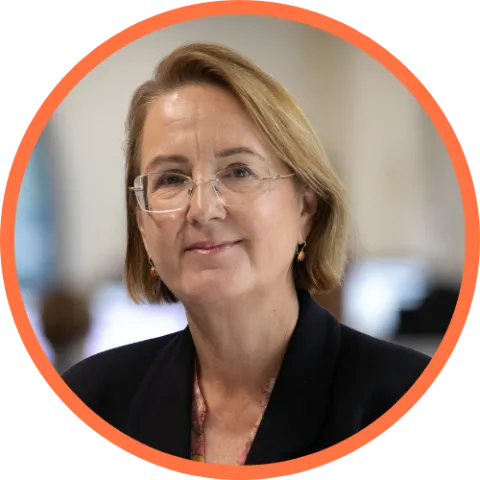
Boguslawa (Bogda) Koczwara
Director
Australian Research Centre for Cancer Survivorship
Sydney, Australia
Bogda Koczwara grew up in Poland and moved to Australia as a teenager as a result of political upheavals in Eastern Europe. An anxious immigrant, she was met with a warm welcome and a free university education. She completed medical oncology training at the Roswell Park Cancer Institute in Buffalo, New York, and returned to Australia to help establish a comprehensive cancer centre at the hospital where she had trained as an intern. Over the ensuing 30 years, she worked as a cancer clinician, administrator, and researcher, developing a strong interest in cancer survivorship.
She established one of the first cancer survivorship programmes in Australia, and the longest-running scientific meeting on cancer survivorship in the world. Her research has contributed to advances in survivorship epidemiology, symptom monitoring, self-management support, and the use of patient-reported outcomes. This work spans clinical, implementation, and epidemiological research, with nearly 300 peer-reviewed publications.
She has served as a Board Member of Cancer Council South Australia and Cancer Council Australia, President of the Clinical Oncology Society of Australia, and Chair of the Medical Oncology Group of Australia. She has also held leadership roles within the Multinational Association of Supportive Care in Cancer and the International Cardio-Oncology Society. In 2025, she was appointed as an inaugural Director of the Australian Research Centre for Cancer Survivorship, the first centre of its kind in the world.
Why would you like to be on the UICC Board of Directors?
I would like to join the UICC Board to contribute to its vision of reducing the global burden of cancer through collaboration and advocacy, drawing on my expertise in cancer survivorship care, research, and policy. There are over 100 million cancer survivors worldwide, the majority in resource-limited settings, where a cancer diagnosis is often associated with a significant unmanaged symptom burden, financial hardship, and stigma. Support for these individuals is heavily reliant on informal caregivers and is often not recognised in national cancer control plans.
My expertise in cancer survivorship, combined with a strong leadership track record in national and international professional organisations, positions me well to contribute to strategic efforts aimed at reducing disparities in survivorship care and outcomes. This includes advocating for the inclusion of cancer survivorship indicators in national cancer control plans, strengthening survivorship care capacity through digital health innovation, and aligning survivorship care with the WHO agenda on chronic disease management and multimorbidity. These priorities closely align with UICC’s focus on person-centred cancer care, strengthening health systems, fostering multisectoral partnerships, and advancing knowledge generation and sharing.
I have been engaged with UICC since 2016, delivering symposia on multimorbidity and return to work after cancer, and contributing to online educational modules on cancer survivorship.
What makes you a good candidate for the UICC Board of Directors?
I have a strong track record of professional leadership in cancer control in Australia and internationally, and prior experience and training as a Company Director, which are the fundamental skills and experience to effectively contribute to the UICC Board.
But my distinctive contribution is a genuine determination to improve health outcomes for cancer survivors globally through strategic and systematic effort that capitalises on the existing UICC and WHO strategies. In my role as a Director of the Australian Research Centre for Cancer Survivorship, I am tasked with the development of an ambitious research strategy to improve outcomes for cancer survivors that prioritises population-level approaches that aim to deliver equitable access and outcomes for cancer survivors. This work can assist in addressing gaps in cancer survivorship globally, leveraging the international connections that the Centre has established.
My expertise in cancer survivorship is very broad and includes epidemiology, population health, clinical trials, and implementation, bringing forth a broad network of collaborators in cancer across the globe, representing diverse disciplines relating to cancer control, and including a strong and capable network of people with lived experience. These connections would be invaluable in mobilising efforts to drive meaningful change.
This application is my way of “paying it forward”, and I would contribute to UICC my optimism, hope, and energy to make a positive change.
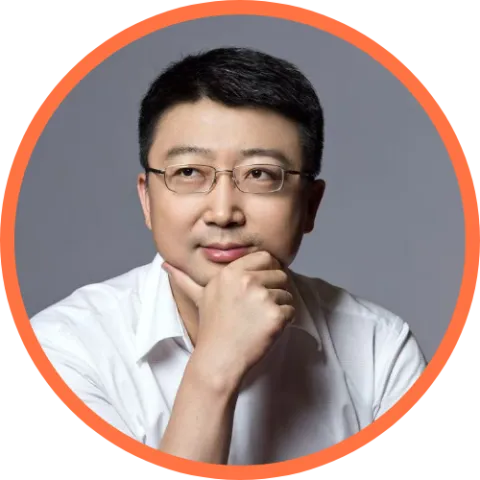
Zhengchen Liu
Founder, Chairman of the Board
New Sunshine Charity Foundation
Beijing, China
Zhengchen Liu is the founder and chairman of New Sunshine Charity Foundation. His commitment to healthcare philanthropy began with a personal crisis: in December 2001, while pursuing his Ph.D. in economics at Peking University's Guanghua School of Management, he was diagnosed with Chronic Myeloid Leukaemia. His physician told him that a bone marrow transplant was the only cure for him — yet China's national marrow registry was too limited to find him a match.
Rather than wait, he established a non-governmental bone marrow registry just six weeks after his diagnosis. Three years later, the organisation facilitated its first successful stem cell transplant for a CML patient in Jiangsu Province, China. In 2009, it was formally registered as a foundation. Today, New Sunshine is one of mainland China's largest healthcare charities, with 24 years of continuous operation.
The work of New Sunshine is built on five pillars:
- Patient Services — financial aid, psychological support, and information services
- Healthcare Professional Support — clinical research funding, physician training, and academic conferences
- Policy Research & Advocacy — advancing better reimbursement and patient rights policies
- Public Engagement & Prevention — promoting voluntary blood and marrow donation, and cancer prevention
- Community Development & Disaster Relief — emergency response and sustainable community support
Why would you like to be on the UICC Board of Directors?
As a cancer patient and founder of the Sunshine Marrow Donor Registry, I received a UICC Asia-Pacific training grant and spent one week at Cancer Council Queensland in 2010, which shaped my work profoundly. I wish to give back to UICC. I want to bring a stronger patient voice to the Board — to support grassroots patient organisations. I also want to highlight cancer patients' rights: the US offers disability-like protections for cancer patients, but many other countries, like China, have no equivalent, and this gap receives little international attention.
I built New Sunshine Charity Foundation from an unregistered grassroots group (2002) into one of China's largest healthcare foundations. New Sunshine Charity Foundation holds Special Consultative Status with the United Nations Economic and Social Committee. My background spans mathematics (bachelor's degree), economics (master's degree), pharmacoeconomics, and an EMBA from Cheung Kong Graduate School of Business.
I aim to embed more patient perspective in UICC Board decisions, increase support for grassroots patient organisations, and advocate for the UICC network to advance cancer patients' rights. I would like to be involved in knowledge sharing, to empower cancer patient grassroots organisations. We have had twelve consecutive years of UICC membership since 2014 — and a commitment to contribute well beyond that role going forward.
What makes you a good candidate for the UICC Board of Directors?
I have a multidisciplinary background — a B.S. in Mathematics, an M.A. in Economics, pharmacoeconomics training, and an EMBA from Cheung Kong Graduate School of Business — enriched by active participation in academic conferences on haematologic and solid tumours. This equips me with strong analytical and strategic capabilities.
Over 24 years, I built New Sunshine Charity Foundation from the ground up into one of mainland China's largest healthcare non-profits, with deep expertise in NGO development, policy advocacy, patient services, and project management.
As a cancer survivor myself, I combine professional competence with genuine empathy and a deep understanding of patients' lived challenges.
I have contributed directly to global cancer control efforts — my foundation funded and supported the WHO cancer team and the editing of the World Cancer Report. My foundation holds UN ECOSOC NGO special consultative status.
Finally, I led the founding of the Asia Health Charity Alliance, demonstrating cross-regional leadership and the ability to mobilise international networks towards shared goals.
I am ready to bring this experience, perspective, and commitment to the UICC Board.
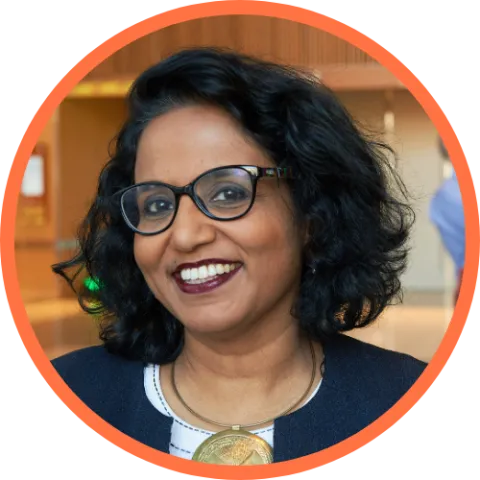
Sri Navaratnam
Medical oncologist / Health system leader
Cancercare Manitoba / University of Manitoba
Winnipeg, Canada
Dr Sri Navaratnam graduated with an MBBS from the University of Jaffna, Sri Lanka, in 1985 and subsequently immigrated to Canada. She completed a PhD in Pharmacology and Therapeutics at the University of Manitoba, followed by specialty training and certification (FRCPC) in Internal Medicine and Medical Oncology.
Since joining CancerCare Manitoba in 1996, Dr Navaratnam has built a distinguished career. As a Medical Oncologist and Professor of Internal Medicine, she focused on lung cancer and led the Thoracic Oncology Program. She later assumed progressively senior leadership roles, including Chair of the Provincial Cancer Pharmacy and Therapeutics Committee, Head of the department, and Chief Medical Officer.
From 2014 to 2025, Dr Navaratnam served as President and CEO of CancerCare Manitoba, providing strategic leadership to the cancer agency and research institute, serving as a key pillar of Manitoba’s health system. During her tenure, she championed patient-centred care, health equity, and innovation while leading more than 1,200 staff. She also served as Chair of the Canadian Association of Provincial Cancer Agencies, advancing collaborative solutions to build better cancer control across Canada.
Following her CEO tenure, Dr Navaratnam has undertaken a sabbatical to focus on health equity through shared learning, research collaboration, programme implementation, and community engagement.
Her guiding vision is a world without borders by closing the gap.
Why would you like to be on the UICC Board of Directors?
I am seeking election to the Board of Directors because the Union for International Cancer Control (UICC) is the leading platform for advancing equitable cancer control worldwide. I am fully committed to applying my experience, leadership, and energy to support its mission.
Over the past 35 years, I have worked across the cancer control spectrum, in clinical, research, academic, and executive leadership roles. I have led a provincial cancer agency as President and CEO, and contributed nationally as Chair of the Canadian Association of Provincial Cancer Agencies. I have worked in low- and middle-income countries supporting capacity building, research, and strategic planning. This experience has given me a strong understanding of inequities, and the challenges faced by diverse health systems.
My leadership approach is implementation-focused and grounded in meaningful engagement with governments, clinicians, researchers, NGOs, and communities to deliver measurable outcomes.
My priorities align closely with UICC’s goals: improving access, strengthening health systems, and advancing early detection. These are areas in which I have extensive experience, including recent collaboration with Cancer Australia on lung cancer screening, and with South Asia on community-based cancer programmes.
I have been involved with UICC through participation in World Cancer Congresses and leadership forums, recently as a panellist on Indigenous health. As a Board member, I would help to accelerate progress toward equitable cancer care globally.
What makes you a good candidate for the UICC Board of Directors?
I believe I am a strong candidate for the UICC Board of Directors because I bring a unique combination of proven leadership, experience, and commitment to health equity.
I have worked across all major pillars of cancer control: clinical care, research, academic, and executive leadership. A strength I bring is my extensive experience within Canada’s universal health care system, including pan-Canadian leadership. This has provided insight into designing and implementing population-based cancer strategies within a publicly funded system.
In parallel, I have over a decade of experience supporting cancer control in low- and middle-income countries, including Sri Lanka, India, and Uganda, through capacity building, strategic planning, research, and community-based programmes. These experiences have given me valuable insight into cancer control across diverse settings.
Throughout my career, I have successfully brought together governments, NGOs, academic institutions, community organisations, and patient voices. This has strengthened my ability to turn diverse perspectives into coordinated system-level impact.
Following 12 years as CEO of a provincial cancer agency, I focused on health equity by collaborating with Cancer Australia on lung cancer screening, engaging with South Asia to implement community cancer programmes, and contributing to equity-focused frameworks in Canada.
If elected, I am committed to advancing UICC’s mission and strengthening global cancer control.
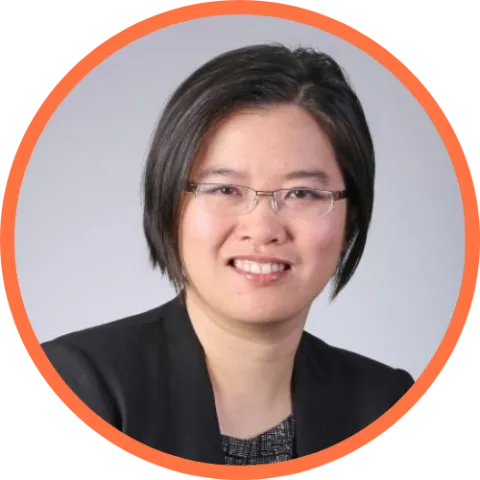
Joanne Ngeow
Head, Cancer Genetics Service
National Cancer Centre Singapore and Nanyang Technological University Singapore
Singapore, Singapore
Dr Joanne Ngeow, MBBS, FRCP, MPH, PhD, is Senior Consultant in Medical Oncology at the National Cancer Centre Singapore and Associate Professor of Genomic Medicine at Nanyang Technological University’s Lee Kong Chian School of Medicine. She leads the Cancer Genetics Service, integrating cancer genomics into routine oncology care with a focus on hereditary cancer syndromes and translational cancer genomics.
She implemented universal mismatch repair deficiency testing for colorectal and endometrial cancers across SingHealth, and leads Singapore’s National Precision Medicine Clinical Implementation Pilot for hereditary cancer, shaping national cancer control and precision prevention efforts. Her research, supported by the National Medical Research Council Clinician Scientist Award and the Ministry of Health, addresses gene–environment interactions in cancer predisposition and the equitable delivery of genomics for diverse Asian populations.
As one of the Principal Investigators of the multi-ethnic HELIOS population health cohort, she helps generate evidence to close global gaps in cancer and chronic disease prevention for under-represented Asian populations. She is the founding chair of the Inherited Cancers Network Asia (ICAN‑Asia), a regional clinical and translational consortium expanding access to genomic testing, cascade screening, and preventive strategies for hereditary cancers. She also established national career pathways and genetic counsellor–led services.
Why would you like to be on the UICC Board of Directors?
I wish to join the UICC Board to help shape an equity‑driven global agenda for cancer prevention and early detection, ensuring that the benefits of hereditary cancer risk assessment and precision medicine are accessible, affordable, and reimbursed across diverse health systems. As a clinician‑scientist from Asia, I hope to amplify perspectives from regions where the cancer burden is high but access to genomics and advanced diagnostics is uneven.
I bring experience in building and governing complex clinical–research programmes, leading national precision medicine implementation pilots, and working with ministries of health, payers, advocates, and industry on reimbursement and health technology assessment for genomic tests. I have led multi-ethnic, multi‑institutional collaborations, including a national Cancer Genetics Service, a regional inherited cancers network, and a large population health cohort, all of which require cross-border collaboration, data sharing, and culturally sensitive implementation.
On the Board, I aim to advance UICC’s work in: (1) early detection and hereditary cancer prevention; (2) strengthening health systems and workforce capacity, including genetic counsellors; and (3) supporting countries to generate the evidence and policy frameworks needed for sustainable reimbursement of precision oncology and genomic diagnostics. I am especially interested in contributing to initiatives that support members in low‑ and middle‑income settings.
What makes you a good candidate for the UICC Board of Directors?
My candidacy for the UICC Board is grounded in three intersecting strengths: clinical leadership, implementation science in precision medicine, and a sustained commitment to equity and reimbursement for cancer innovation. As a practising medical oncologist and head of a national Cancer Genetics Service, I understand how global policies translate into outcomes for patients and families navigating hereditary cancer risk.
As a clinician‑scientist, I have led national and regional initiatives at the interface of research, policy, and service delivery, including a National Precision Medicine Clinical Implementation Pilot for hereditary cancer and the multi‑ethnic SG100K population health cohort. These roles require governance of complex programmes, multidisciplinary leadership, and alignment with ministries of health, payers, and regulators. I serve on the Medical Technology Advisory Committee of Singapore’s Ministry of Health, contributing to evidence appraisal and reimbursement decisions for novel diagnostics and therapeutics, and as an international chair within the InSiGHT consortium, helping to shape global standards in hereditary gastrointestinal cancer.
Regionally, I founded and chair an inherited cancers network across Asia, expanding access to genomic testing, cascade screening, and prevention in diverse, resource‑variable settings. My formal training in health finance allows me to work with policymakers to make precision medicine reimbursements a reality globally.
Omar Nimri
President
Jordan Cancer Society
Amman, Jordan
Dr Omar Nimri is a Jordanian physician and public health expert specialising in cancer epidemiology, prevention, and control. He earned his Bachelor of Medicine and Surgery in Pakistan (1990), followed by diplomas in traditional complementary medicine (Sri Lanka, 1991), and advanced training in community medicine, epidemiology, and cancer prevention through programmes in Jordan, the USA, France, and the University of Michigan.
From 1996 to 2002, Dr Nimri served as a general physician in Jordan’s Ministry of Health before joining the Jordan Cancer Registry in 2002. He later became Director of the Registry and Head of the Cancer Prevention and Control Department (2008–2022), leading national strategies and collaborating with international bodies including IARC, WHO, IAEA, UICC, and the Arab League. He has represented Jordan in regional and global initiatives such as the EUROMED Cancer Project and the Izmir Hub Advisory Committee.
Dr Nimri served as an epidemiologist and public health medical doctor at the Jordan Center for Disease Control (JCDC) from 2022 to May 2026. He also serves as President of the Jordan Cancer Society (second term 2026–2028). A prolific researcher, he has authored over 45 international publications, contributed book chapters, and delivered lectures worldwide. His work has been recognised with numerous honours, including a Russian State distinction medal, and he has twice been nominated for regional representation in the IARC-IACR.
Why would you like to be on the UICC Board of Directors?
I want to join the UICC Board because the UICC is the premier platform to unify the international cancer community and reduce the global cancer burden. Joining the Board allows me to shape global health policy, drive resource mobilisation, and influence national cancer control plans. The skills and international experience I bring to the Board—such as strategic leadership, cross-border collaboration, and resource mobilisation—can help to create new financing models to make essential cancer diagnostics and therapeutics affordable globally. I aim to bridge care gaps, support capacity building, and strengthen global advocacy. My relationship and contribution to the UICC go back many years, with ups and downs.
What makes you a good candidate for the UICC Board of Directors?
What makes me as a strong candidate that qualifies me to serve as a member of the UICC Board of Directors. My governance expertise and the ability to look beyond local challenges and commitment to closing the care gap, specifically addressing disparities... my professional ethics that directly mirror UICC’s core pillars of integrity, inclusivity, evidence-based action, and global collaboration. Thanks for such chance that may let me serve more in the line of fighting cancer burden in communities.
Christian Ntizimira
Founder & Executive Director
The African Center for Research on End of Life Care (ACREOL Global)
Kigali, Rwanda
Dr Christian Ntizimira is the author of an African book bestseller on death and dying, “The Safari Concept: An African Framework on End-of-Life Care”, and the Founder and Executive Director of the African Centre for Research on End-of-Life Care (ACREOL), a nonprofit organisation to bring sociocultural equality through “Ubuntu in End-of-Life Care” in Africa.
He is a Fulbright alumnus and graduated from Harvard Medical School, Department of Global Health and Social Medicine. He has been vetted as an Ashoka Fellow (2025), and named one of the 100 Most Influential CEOs in Oncology. His ability to mobilise a global audience is proven: his advocacy reached 30 countries and 86 landmarks, turning a cultural philosophy into a viral movement for healthcare justice.
Dr Ntizimira is the winner of the prestigious Tällberg-Stervos Niarcos Foundation-Eliasson Global Leadership Prize 2021 for his passionate advocacy for palliative care in Rwanda and elsewhere in Africa, based on his deeply held belief that dignified end-of-life care is a human right. He pioneered the integration of palliative care and end-of-life care into health services rendered to Rwandan cancer patients and in community settings.
He developed a model of palliative care that has been scaled to cover 13 districts and 16 hospitals in Rwanda, serving 6,840,592 people, over half the national population, across 7,144 villages (Imidugudu), by training 1,171 healthcare professionals.
Why would you like to be on the UICC Board of Directors?
I am running for the UICC Board to contribute a crucial paradigm shift in global cancer control: the integration of culturally context-sensitive, human-centred, supportive, and palliative care. My 20-year journey as a palliative care physician, researcher, and social entrepreneur, culminating in the founding of ACREOL Global, confronts a critical structural blind spot. As outlined in different publications, standardising Western medical frameworks without local adaptation risks systemic failure in low- and middle-income countries. My objective is to bridge global policy spaces with frontline African realities, systematically dismantling institutional silos, severe personnel shortages, and deep-seated barriers such as opiophobia.
Two core UICC priority areas:
- Improving health systems for cancer control: I will advocate for adapting palliative care by embedding community-led, decentralised supportive models down to the village level. Palliative care must be among the pillars of national cancer planning, not an afterthought.
- Advancing people-centred care and the ATOM Coalition: Drawing from research expertise, I focus on care that honours the whole person, merging modern oncological therapies with local socio-cultural values to optimise access to essential medicines and diagnostics.
Named a UICC Young Cancer Leader in 2016, I have consistently localised UICC's global equity standards, building multisectoral partnerships that bridge global health and clinical anthropology to reshape how suffering is addressed.
What makes you a good candidate for the UICC Board of Directors?
A proven track record of translating complex global health theories into sustainable, community-rooted healthcare systems. Three pillars are documented across my published literature and global advocacy:
- Clinical and Social Innovation: Through "The Safari Concept: An African Framework on End of Life Care", I pioneered a methodology to navigate family suffering and systemic medical bottlenecks using local metaphors. By shifting the clinical paradigm from isolated hospital stays, it transitioned the cancer narrative from "end-of-life" to "life until the end".
- Anthropological and Policy Rigour: My ethnographic research at Harvard Medical School tackles the biosocial intersections of medicine. I have demonstrated that patient autonomy is in a dynamic equilibrium with community responsibility, a framework I formalised as the Butterfly Approach to Decision-Making. This enables me to offer the UICC Board sophisticated strategies for overcoming socio-cultural barriers to cancer equity.
- The Framework of Ubuntu: Our leadership is structurally anchored in the philosophy of Ubuntu (I am because you are). The global cancer response requires leaders who understand that an equitable healthcare system cannot rely solely on pharmaceutical interventions; it requires restoring shared humanity and relational dignity. I offer the Board an empathic, battle-tested, and profoundly inclusive lens.
Timothy Rebbeck
Vincent L Gregory Professor of Cancer Prevention
Harvard TH Chan School of Public Health and Dana-Farber Cancer Institute
Boston, United States of America
Timothy Rebbeck is the Vincent L. Gregory Professor of Cancer Prevention at the Harvard T.H. Chan School of Public Health and Dana-Farber Cancer Institute. His research focuses on cancer genetic and molecular epidemiology, prevention, early detection, and disparities, with emphasis on cancer risk and aetiology in African populations. He has led large-scale international consortia that examine epidemiological and genomic contributors to cancer risk, and translate these findings into precision prevention and early detection strategies.
He is the founding Director of the Zhu Family Center for Global Cancer Prevention at Harvard, and founding Director of the Center for Global Health at Dana-Farber. Through these roles, he has advanced global partnerships, bidirectional exchanges, observerships, and research capacity building. His global work includes leadership of the Men of African Descent and Carcinoma of the Prostate (MADCaP) network, the African Oncogenetics Network, and the African Cancer STARS training programme, which supports African investigators and project managers in sustaining locally led cancer research.
Across his career, he has emphasised using research to create knowledge about cancer in Africa and other global settings to ensure data used in risk and prevention settings reflect the diversity of populations who may benefit. His work bridges scientific disciplines and training to reduce cancer burden, and strengthen equitable, locally relevant cancer science worldwide.
Why would you like to be on the UICC Board of Directors?
Throughout my 35-year career in cancer research, training, and global collaboration, I have learnt that progress against cancer depends not only on discovery, but on whether evidence can travel well: across health systems, cultures, policies, and communities. I have also seen what is lost when efforts overlook local realities. Science has its greatest impact when it is rigorous, relevant, and shaped with the people it is meant to benefit.
My priority as a UICC board member would be to see that prevention and early detection can realise their promise to reduce the global cancer burden. However, these strategies are not plug-and-play solutions: approaches that work in one setting may fail in another if they do not reflect local priorities, resources, and values. Effective cancer control must be co-developed with local partners, not just delivered to them.
UICC is uniquely positioned to turn this principle into global practice by convening researchers, clinicians, advocates, policymakers, civil society, and communities around shared action. As a member of the UICC Board of Directors, I would build on my prior interactions with UICC and the World Cancer Congress, as well as experiences building initiatives with and for lower-resource communities, a commitment to equitable translation of cancer science, and a practical understanding of how evidence becomes policy, practice, and impact across diverse global contexts.
What makes you a good candidate for the UICC Board of Directors?
I bring to the UICC Board a career shaped by a simple conviction: cancer science matters most when it changes people’s health. Progress depends not only on generating evidence, but on making that evidence locally relevant, equitable, and sustainable.
Through multidisciplinary team science, my colleagues and I have built multinational consortia in cancer epidemiology and genetics. Capacity building has been central to this work. Our goal has not been simply to study cancer in Africa, but to support African researchers to create knowledge that strengthens African and global understanding of cancer risk, prevention, and early detection. The African Cancer STARS training programme has helped principal investigators advance their research ideas, and trained project managers to support African research.
We undertook the first large-scale cancer genome association study, including genomic data generation, all conducted on African soil. As founding director of Dana-Farber’s Center for Global Health, my colleagues and I built global partnerships grounded in bidirectional exchange, research capacity building, and collaborative cancer science.
These experiences have cemented my view that cancer control must be co-developed with those they are meant to benefit. I would contribute to UICC’s mission by championing prevention and risk reduction, patient and community engagement, and equitable implementation to ensure that research is translated into policy, practice, and public health impact.
Kathleen Schmeler
Associate Vice President of Global Oncology / Professor of Gynecologic Oncology
MD Anderson Cancer Center
Houston, United States of America
Kathleen Schmeler is a Professor of Gynaecologic Oncology at MD Anderson Cancer Center, where she has worked for nearly two decades. She cares for women with gynaecologic cancers, including performing surgery and administering chemotherapy, and oversees the colposcopy clinics, which provide cervical cancer prevention services. She also serves as Associate Vice President and co-leader of the MD Anderson Global Oncology Program, where the team collaborates with ministries of health, UN agencies, international organisations, and civil society partners to improve cancer prevention and treatment globally.
Her career has focused on advancing cancer prevention, early detection, treatment, research, and workforce development, particularly in underserved communities in Texas and globally. She co-leads research studies focused on cervical cancer in Mozambique, Brazil, and Texas, and supports implementation efforts to expand access to evidence-based diagnosis and treatment. Through MD Anderson’s Global Oncology Program, the team works with local leaders to strengthen health systems and build sustainable capacity through hands-on training and tele-mentoring using Project ECHO. The programmes span multiple disease sites and support efforts to reduce cancer-related morbidity and mortality. The team collaborates closely with ministries of health and international organisations, including the Union for International Cancer Control (UICC), IAEA, WHO, and PAHO. Kathleen Schmeler is honoured to currently serve on the UICC Board of Directors and hopes to continue supporting the UICC mission.
Why would you like to be on the UICC Board of Directors?
It is an honour to be nominated for a second term on the UICC Board of Directors. During my first term, I served on the Capacity Building and Membership Committees, and contributed to key UICC initiatives, including the Cancer Planners Forum, the Women’s Cancers Initiative, and the Access to Oncology Medicines (ATOM) Coalition. These experiences deepened my appreciation for UICC’s unique ability to convene diverse stakeholders and catalyse meaningful global action.
I am seeking a second term because I believe UICC is uniquely positioned to accelerate progress towards equitable cancer control, particularly in low- and middle-income countries where the cancer burden continues to grow. As cancer incidence rises globally, strong advocacy, collaboration, and practical implementation support are more important than ever.
If re-elected, I hope to help expand UICC’s impact in the areas of capacity building, member engagement, and implementation of scalable cancer control solutions. I am especially passionate about strengthening cancer prevention and early detection programmes, advancing women’s cancer initiatives, and supporting workforce development in resource-constrained settings.
UICC has been instrumental in creating a powerful global community committed to reducing the burden of cancer. I would be honoured to continue serving on the Board and working alongside colleagues worldwide to ensure cancer remains a global health priority.
What makes you a good candidate for the UICC Board of Directors?
I believe I am a strong candidate for re-election to the UICC Board because I bring a combination of governance experience, global oncology leadership, and a proven record of building sustainable partnerships that improve cancer outcomes.
I am dedicated to advancing cancer prevention, early detection, treatment, and workforce development in resource-constrained communities worldwide. Working closely with ministries of health, international organisations including NGOs and CSOs, has given me firsthand experience navigating diverse health systems and identifying practical solutions to complex cancer care challenges. Our team at MD Anderson has worked with leaders in many regions, helping to develop and implement sustainable cancer programmes focused on capacity building, health system strengthening, and expanding access to evidence-based care.
A major focus of my career has been on capacity building. I was one of the co-founders of the IGCS Global Gynaecologic Oncology Fellowship, which trains gynaecologic oncologists in their home countries. Since its launch in 2017, the programme has expanded to 22 fellowship sites in 16 countries and has graduated more than 40 fellows, many of whom now serve as leaders in their regions.
Through my first term on the UICC Board, I have gained valuable insight into UICC’s governance and strategic priorities. I would bring collaborative leadership, strategic perspective, and a strong commitment to health equity to help translate UICC’s global vision into measurable impact.
Beatrice Wiafe-Addai
CEO / President
Breast Care International / Peace and Love Hospital
Accra, Ghana
Dr Mrs Beatrice Wiafe Addai is a distinguished breast surgeon, cancer advocate, and global health leader dedicated to improving cancer care and outcomes across Africa. She is the Founder and President of Breast Care International (BCI), a leading non-governmental organisation committed to breast cancer awareness, early detection, patient support, research, and advocacy in Ghana and beyond.
For over two decades, Dr Wiafe Addai has championed initiatives that have reached thousands of women through community education, screening programmes, and survivor support services, helping to reduce stigma and promote timely access to care. Her work has significantly influenced breast cancer awareness and policy development in Ghana and across the African continent.
A Fellow of several prestigious professional and leadership institutions, Dr Wiafe Addai has received numerous national and international awards in recognition of her contributions to healthcare, women’s empowerment, and cancer control.
As a passionate advocate for women’s health and health equity, she continues to be a leading voice in the global effort to address cancer, promoting patient-centred approaches and sustainable solutions for low- and middle-income countries.
Her leadership, vision, and commitment to service have made her one of Africa’s most respected champions for cancer control and women’s health.
Why would you like to be on the UICC Board of Directors?
It is an opportunity to share the knowledge and expertise I have acquired over the years with like-minded people who might be able to leverage it to save more lives.
My international experience includes collaborating with global cancer organisations, academic institutions, development partners, healthcare professionals, researchers, policymakers, and civil society organisations to advance cancer control and reduce inequities in access to care.
Through these partnerships, I have contributed to knowledge sharing, capacity building, research initiatives, and advocacy efforts aimed at improving outcomes for patients in low- and middle-income countries.
Objectives:
- reframe the narrative—comprehensive cancer care as a way to help communities, and by extension, nations move forward;
- ensure equity and equality in the cancer care continuum;
- use the breast cancer platform to advocate for the other cancers;
- capitalise on advanced science, technology, and AI to help us blaze new trails in awareness creation, prevention education, screening, diagnostics, early detection methods, treatment, rehabilitation, survivorship, and palliative care.
My NGO, Breast Care International, was the only registered member of UICC in Ghana for so many years, and hosted the visit of former President of UICC, HRH Princess Dina Mired, in Ghana in 2019.
What makes you a good candidate for the UICC Board of Directors?
I believe I am a strong candidate for the UICC Board of Directors because I bring a unique combination of clinical expertise, visionary leadership, grassroots advocacy, and global health experience.
As a Consultant Breast Surgeon and the woman who became the first female General Surgeon in Ghana several decades ago, I started the most vibrant breast cancer organisation in Ghana and Africa, with more than 1,000 breast cancer survivors, helping in creating the needed awareness.
The work we have done has directly impacted thousands of women and families, particularly in underserved communities, while influencing cancer control policies and strengthening health systems. I am passionate about reducing cancer disparities and ensuring that the voices of patients, survivors, women, and communities are represented in global decision-making.
I bring to the UICC Board a strong understanding of the realities faced by low- and middle-income countries, as well as a deep commitment to equity, patient-centred care, and sustainable solutions. I am passionate about ensuring that the voices of patients, survivors, women, and African communities are represented in global cancer discussions and decision-making.
I seek to serve on the UICC Board to contribute my experience, leadership, and perspective in advancing UICC’s mission and helping shape a future where quality cancer prevention, treatment, and care are accessible to all, regardless of where they live.
Han-Kwang Yang
President
National Cancer Center, Korea
Koyang, South Korea
Han-Kwang YANG, MD, PhD, FACS, Hon ASA, Hon ESA, Hon JSES
President, National Cancer Center, Korea
Professor Emeritus, Seoul National University
Dr Yang, as President of the National Cancer Center Korea, oversees the Cancer Research Institute, Hospital, National Cancer Control Institute, and Graduate School. He was involved in several large-scale RCTs for gastric cancer treatment. He is the founding chairman of KLASS (Korean Laparoscopic Gastrointestinal Surgery Study Group) and contributed in MIS in gastric cancer, especially function-preserving gastrectomy (pylorus-preserving gastrectomy). His translational research interests are gastric carcinogenesis, DDS, familial gastric cancer, biomarkers, and developing PDX model for gastric cancer. He is Secretary General of the International Gastric Cancer Association, Honorary Fellow of the American Surgical Association, Honorary Member of the European Surgical Association, Honorary International Fellow of the Japanese Society of Endoscopic Surgery, and a member of the Korean Academy of Science and Technology. He gave over 420 invited international lectures. He had 455 international visitors to his gastric cancer centre.
- Secretary General, International Gastric Cancer Association, since 2023
- Secretary General, Asian Oncology Society, since 2019
- President, Korean Society of Surgical Oncology, 2024–2025
- Director, Seoul National University Cancer Hospital, 2020–2023
- Chairman, Board of Directors, Korean Cancer Association, 2020–2022
Why would you like to be on the UICC Board of Directors?
As President of the National Cancer Center Korea and Secretary General of the International Gastric Cancer Association, I have dedicated my career to advancing oncology through rigorous scientific consistency and cross-border collaboration. I am eager to join the UICC Board of Directors to share the "Korean experience" in national cancer control—where robust, systematic screening and advanced clinical frameworks have achieved among the lowest cancer mortality rates globally—and to help bridge the gap between high-level clinical excellence and equitable global health policy.
I bring extensive experience in healthcare administration, multilateral governance, and standardising advanced surgical oncology. Having fostered deep international research and educational networks, I understand how to translate national success into scalable, evidence-based global cancer control strategies.
If elected, my primary objective is to advance global health equity by expanding specialised clinical capacity in low- and middle-income countries. I aim to focus heavily on UICC’s Capacity Building and Advocacy priority areas. Specifically, I want to establish sustainable, peer-to-peer training programmes and standardised clinical guidelines that empower local workforces, using Korea’s proven, data-driven frameworks as a scalable blueprint. True cancer control requires persistent, systematic effort, and I am committed to leveraging my network to make life-saving care universally accessible.
What makes you a good candidate for the UICC Board of Directors?
My qualification for the UICC Board is defined by a proven track record of institutional transformation, international surgical leadership, and the successful execution of world-class national cancer policies. As a surgical oncologist leading the National Cancer Center Korea, I oversee the comprehensive execution of a national framework that has pushed Korea to the forefront of global oncology, delivering exceptionally low cancer mortality-to-incidence ratios through population-wide screening and advanced treatment.
Beyond national governance, my role as Secretary General of the International Gastric Cancer Association has provided me with deep experience in managing international professional societies. I have successfully driven global consensus guidelines, built cross-border collaborative research networks, and established longitudinal clinical training programmes. My election as an Honorary Fellow of the American Surgical Association reflects a career built on international peer recognition and standard-setting.
I am uniquely positioned to offer the UICC Board a bridge between advanced clinical insights and scalable health system strategies. I bring a meticulous, day-by-day approach to building sustainable healthcare capacity, a deep understanding of the global oncology landscape, and an extensive network. I have the governance experience, the strategic patience, and the international trust required to effectively advance UICC’s mission on the global stage.
The information contained in each candidate's profile has been provided by the candidates themselves, and is intended to inform the UICC members voting at the elections for the UICC Board of Directors and President-elect. UICC's role is limited to providing the platform for the candidates to share their information and views. The views expressed by the candidates are not those of UICC. Any use, disclosure, or unauthorised reproduction of this information is prohibited.
Last update
Tuesday 08 September 2026