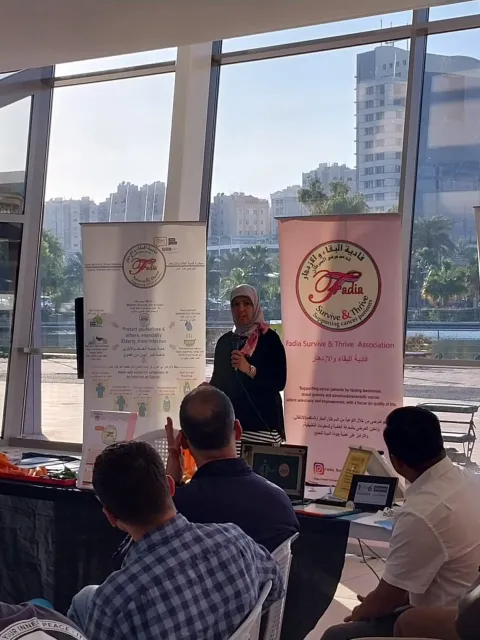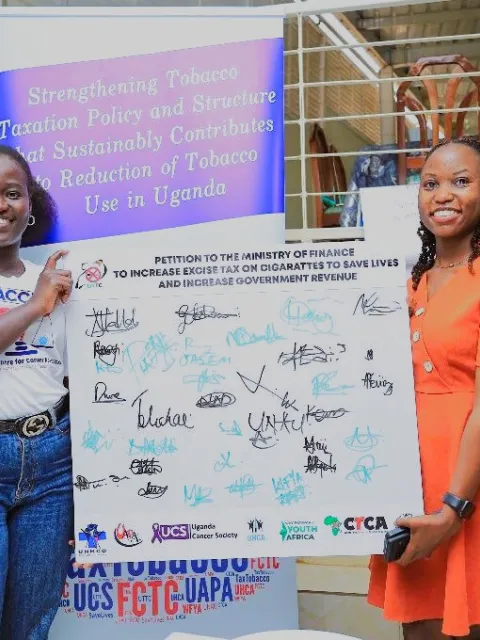
Tomorrow, 31st May is Word No Tobacco Day!
Tobacco kills nearly six million people each year, of which more than 600 000 are non-smokers dying from breathing second-hand smoke.
Unless we act, the epidemic will kill more than 8 million people every year by 2030. More than 80% of these preventable deaths will be among people living in low-and middle-income countries.
For World No Tobacco Day 2014, WHO and partners call on countries to raise taxes on tobacco.
The ultimate goal of World No Tobacco Day is to contribute to protecting present and future generations not only from the devastating health consequences due to tobacco, but also from the social, environmental and economic scourges of tobacco use and exposure to tobacco smoke.
Specific goals of the 2014 campaign are that:
- governments increase taxes on tobacco to levels that reduce tobacco consumption;
- individuals and civil society organizations encourage their governments to increase taxes on tobacco to levels that reduce consumption.
For more information on the campaign, please click on the following link: http://www.who.int/campaigns/no-tobacco-day/2014/en/
Also, for the first time, the Disease Control Priorities Network (DCP-3) will include a chapter on cancer control with a dedicated report on tobacco taxation. For more information, please visit this link: http://www.dcp-3.org/resources/tobacco-taxes-win-win-measure-fiscal-space-and-health
Last update
Thursday 09 July 2026