Why cancer care must treat the person, not only the disease: lessons from Lebanon
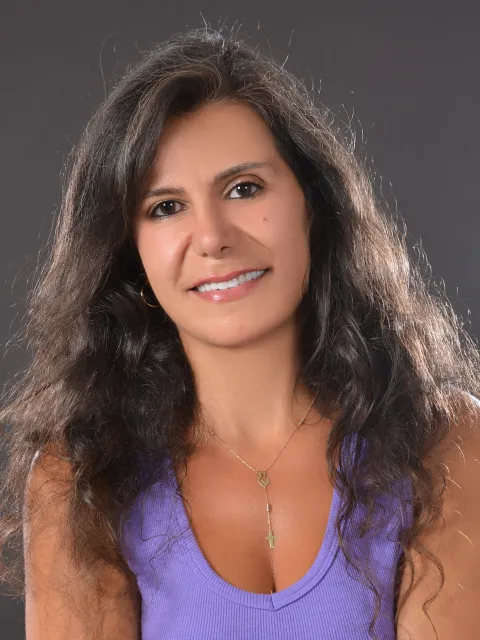
Nadine Saleeh of the Barbara Nassar Association, a UICC member in Lebanon, reflects on how Barbara Nassar's journey with cancer, supported by her husband, exposed systemic gaps in Lebanon and inspired a movement for dignified, people‑centred care.
In 2009, Barbara Nassar, a mother of two, learned she had breast cancer that had already spread to her bones. The diagnosis was devastating. Yet Barbara chose to fight each day with courage, love, and purpose. As she navigated her illness, she saw reflected in her struggle the challenges faced by every adult affected by cancer in Lebanon: unaffordable treatments, long waits, isolation, and a healthcare system stretched beyond its limits.
As she moved from one appointment to another, Barbara came to understand that her suffering was not only medical but it was systemic.
In Lebanon, a cancer diagnosis too often becomes a financial sentence, with lifesaving treatments priced beyond the reach of ordinary families. People living with cancer are frequently reduced to clinical files, rushed through overcrowded facilities where time, empathy, and support are scarce commodities. Psychological distress, social isolation, loss of income, and the quiet erosion of dignity are treated as secondary, if they are acknowledged at all.
Barbara’s story is not an exception; it reflects a national trajectory. A recent study conducted by The Lancet revealed that Lebanon faces an alarming surge in cancer, ranking first globally for the fastest increase in cases (162%) and deaths (80%) between 1990 and 2023. This rise is driven by rampant air and water pollution, high smoking rates, and weak regulatory enforcement.
In 2022, the country recorded 13,034 new cancer cases, 7,307 deaths, and 33,576 prevalent cases over five years as per the Global Cancer Observatory (International Agency for Research on Cancer). The most common cancers are breast, lung, prostate, colorectal, and bladder. These trends are straining an already fragile healthcare system, causing medication shortages, delayed treatments, increased mortalities, and unmet patient needs.
Cancer care, fragmented and under-resourced, asks people to survive the disease while navigating it alone. Barbara believed this was not inevitable and that it could, and must, change. In February 2014, she founded the Barbara Nassar Association, which later became a member of UICC, aligning the organisation with a global movement committed to people-centred cancer care. Days later, Barbara passed away. But the movement she set in motion was only beginning.
Her husband Hani and their children took up her torch, transforming personal loss into collective action, and building support structures in a country where cancer care remains largely treatment-focused and insufficiently financed beyond hospital-based services.
Between 2014 and 2024, the Barbara Nassar Association filled critical gaps left by the national cancer response. As public health coverage failed to keep pace with rising cancer incidence and treatment costs, the Association confronted one of the most immediate barriers to care, affordability, by facilitating access to life-saving medications for people living with cancer who could not pay or who were deprived of treatment.
In 2025, this decade of experience took physical form with the opening of the Barbara Nassar Cancer Center for Supportive Care in Beirut. Walking through the Center, one immediately feels its spirit. The Bell of Hope ringing in the garden, the laughter in art and music rooms, the quiet strength in the beauty lounge where people living with cancer rediscover themselves. Here, people living with cancer are not treated as medical cases, but as individuals whose personal stories, realities, and priorities are taken into account when navigating cancer care and shaping policies. Teenagers learn the importance of early detection, fathers battling late-stage cancer gain skills to continue providing for their families, and survivors become advocates, giving voice to others.
Amid repeated national crises, this role expanded from support to emergency response. When the health system was deteriorating, the Association operated hotlines that enabled medication access, care navigation, reassurance, and human connection at moments when institutional systems fell silent.
These efforts helped transform how cancer drugs are distributed in Lebanon, making chemotherapy and essential medications more accessible to patients. Instead of long waits, people can now receive their treatments directly through hospitals and community pharmacies, reducing both delays and the risk of diversion. Initiatives like those led by the Barbara Nassar Association demonstrate the powerful impact civil society can have in responding swiftly and effectively to urgent health crises.
However, while such initiatives are critical, they cannot substitute for sustained national responsibility and a coordinated, system-wide approach. It was in response to this escalating crisis and building on the lessons learned from civil society action that the National Cancer Control Plan (NCCP), to which the Barbara Nassar Association contributed, was developed.
The NCCP aims to reduce cancer-related morbidity and mortality while improving quality of life for people living with cancer and their caregivers. It addresses the cancer continuum through six core pillars: monitoring and surveillance; prevention and screening; diagnosis; treatment and access to innovation; supportive care and rehabilitation; and governance. In doing so, it responds directly to persistent challenges such as late diagnosis, inadequate prevention, limited access to supportive care, rising treatment costs, and the increasing complexity of cancer management requiring coordinated, multidisciplinary, evidence-based approaches.
Remarkably, the Barbara Nassar Cancer Center remains Lebanon’s only dedicated comprehensive supportive care facility. While the National Cancer Control Plan (NCCP) recognizes supportive care as essential for the quality of life of people living with cancer, no other center currently offers these services in an integrated, free-of-charge manner. Very wealthy patients may access individual services, such as private psychologists or paid art and therapy programs, but these are fragmented and come at a high cost.
On this World Cancer Day, we celebrate Barbara’s dream and the thousands of lives it has touched, while recognizing that her legacy ultimately challenges policymakers and health authorities to confront fragmented health systems that leave too many persons navigating cancer alone.
Governments must move from recognizing supportive care on paper to financing it in practice, integrating it into national cancer strategies, ensuring sustainable funding, expanding access, and embedding people-centered care across public and private health services, to ensure that dignity, equity, and comprehensive care are not privileges, but a right for every person affected by cancer.
Last update
Thursday 30 July 2026