Science not fiction: How misinformation threatens cancer prevention efforts


Lilly Matson and Kendra Chow of World Cancer Research Fund International, a UICC member, write about how cancer misinformation is spreading faster than evidence-based guidance – reaching GP surgeries, not just social feeds – and what the data reveals about who's most at risk.
The internet and social media have transformed the way people access health information. While these platforms can help people learn more about cancer prevention, diagnosis, and treatment, the development of technology means that the speed and scale at which misinformation can spread is virtually limitless.
False or misleading claims about cancer can spread quickly online, often reaching large audiences before accurate information has a chance. These claims can range from miracle foods and supplements to misleading advice about cancer prevention and risk factors.
Misinformation can have serious, real-life consequences. It can discourage people from seeking medical advice, delay diagnosis and treatment, or lead individuals to make health decisions based on inaccurate information. Experts have warned that repeated exposure to misleading health claims can gradually erode trust in evidence-based guidance and make it harder for people to know what or who to trust.
We know that around 40% of cancers are preventable because of decades of research from World Cancer Research Fund (WCRF) network and experts around the world. But evidence alone is not enough. If misinformation is shaping the decisions people make about their bodies, their food, their futures, as well as infiltrating their conversations with healthcare professionals, then countering misinformation becomes a core issue for the cancer prevention community.
Every year, World Cancer Research Fund’s UK charity arm launches a Cancer Prevention Action Week campaign. This year’s campaign (15–21 June) exposes how misinformation spreads and focuses on how to equip people to recognise it, and put trustworthy, evidence-based guidance back at the centre of the conversation.
What does public polling tell us about cancer misinformation?
Online platforms are designed to prioritise content that captures attention and generates engagement, which means emotionally charged, simplistic, or sensational claims can often travel further than evidence-based information.
The findings of our campaign polling show exactly how cancer-prevention misinformation is being amplified in today’s environment, particularly through social media on topics around supplements, “detoxes”, “cleanses”, “superfoods”, fibre, and the idea that certain foods or diets can “starve” cancer.
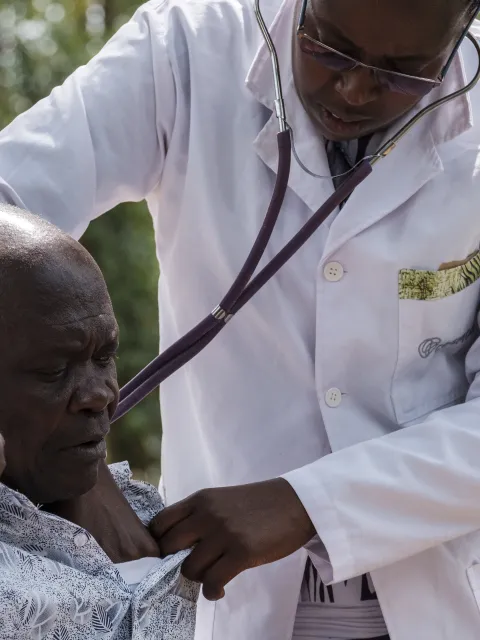
Dr Philippa Kaye, who worked with WCRF on the campaign, said that she has seen the consequences of health misinformation directly in her clinic, with patients arriving to GP appointments with newspaper cutouts, social media screenshots, and saved posts on TikTok.
In the UK, our analysis of 2,125 adults found that people whose main source of news is social media are spending more on dietary supplements and are more likely to trust health claims shared by influencers or accounts they follow. Of these ‘social‑media‑first' adults, 28% spend more than GBP 10 a month on supplements, compared with 19% of those who get their news elsewhere. This group is also almost twice as likely to trust a health claim if it is shared by influencers or accounts they trust.
Beyond phone screens, this misinformation is also reaching the consulting room. Nearly half of patient-facing NHS staff surveyed say patients bring them inaccurate or misleading nutrition or supplement information at least once a week, adding pressure to healthcare professionals and making it harder for people to make informed decisions.
The polling results also revealed a distinct generational divide. Younger adults are nearly three times as likely as over-55s to trust health claims shared by influencers, and twice as likely to wrongly believe that supplements can reduce cancer risk. At the same time, older adults are still missing important evidence-based prevention messages, such as the role of fibre.
This suggests that misinformation is not affecting one group alone, but is pushing accurate advice out of the conversation on cancer prevention across multiple generations.
Importantly, the findings revealed a growing mismatch between confidence and understanding among the public. Those who rely on social media for news are more likely to feel confident about finding trustworthy nutrition information online, while also being more likely overall to believe misleading claims.
The global issue of misinformation and cancer
As of 2023, there were an estimated 4.88 billion social media users globally (nearly 60% of the world’s population).
An analysis of the 200 most popular cancer-related articles on social media found that 32.5% contained misinformation, and 76.9% of those included potentially harmful information. Critically, misleading articles drew more engagement than evidence-based content.
This dynamic is particularly acute for cancer prevention topics (such as nutrition, supplements, physical activity, and alcohol), where the evidence base is complex and the commercial incentive to oversimplify is strong.
Those most susceptible to misinformation tend to have lower health literacy and lower trust in health professionals.
However, susceptibility is not limited to any one group. A 2023 study found misinformation was shared and engaged with more than factual content.
The cumulative effect of misinformation on public trust in science and health institutions is measurable and concerning.
The World Economic Forum has ranked misinformation and disinformation as the top global risk for the second year in a row. Similarly, WHO has warned that inaccurate information is undermining trust in science and public health globally.
Health misinformation contributes to polarisation and mistrust, creating a self-reinforcing cycle that undermines adherence to evidence-based advice.
When misinformation erodes trust in prevention guidance, it becomes a systemic obstacle to reducing the global burden of cancer.
We know that when it comes to cancer prevention, evidence can save lives—but only if people can recognise and trust it.
At WCRF, we have developed the TRUST test, a simple tool to help identify misleading health claims.
T — Too good to be true?
Does it promise unrealistic results or quick fixes?
R — Research-backed?
Does it trace back to scientific evidence?
U — Understood?
Are risks properly explained, or downplayed?
S — Source quality?
Does it come from a trusted organisation?
T — Think before you share
If it doesn’t pass the TRUST Test, don’t pass it on.
The TRUST Test incorporates indicators validated by researchers at University College London (UCL), with further refinement from Alex Ruani.
Last update
Thursday 18 June 2026