
2026 Technical Fellowship awarded Fellows
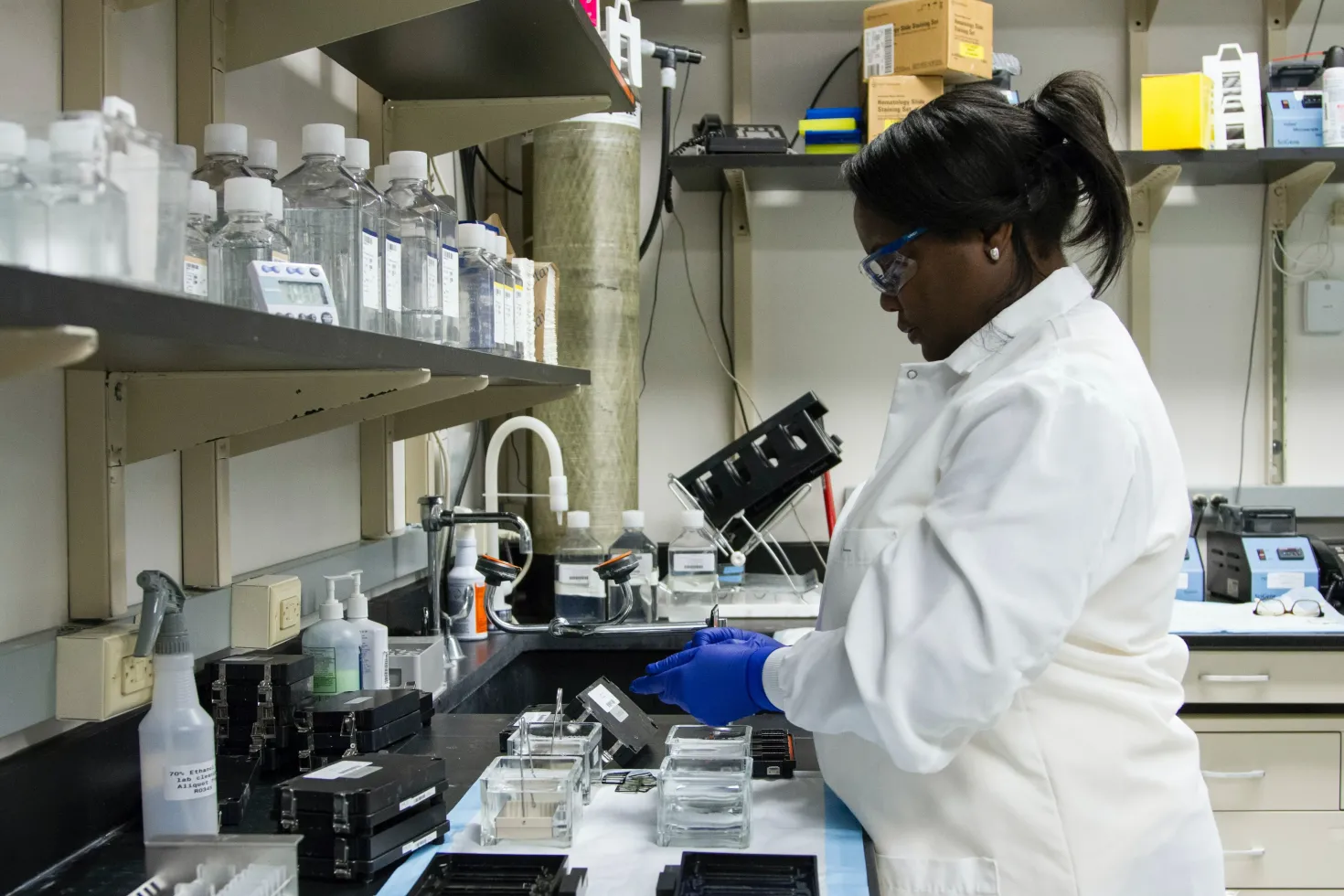
UICC’s Technical Fellowships program enables cancer professionals to travel to a host institution for up to two months to learn new knowledge and skills, and to build capacity in their home countries. From the program’s start in 1976, Fellowships have provided individuals the chance to share best practices in cancer treatment and prevention. Below you will find the details of our awarded Fellows for 2026, including their home and host institutions and countries, and a description of their project.

Mawada Abdelrahman, Merciful Hearts Society, Bahrain
Host Institution: Institute of Palliative Medicine (WHO Collaborating Center), India
Project title: Symptom Management and Pain Titration in Palliative Care in Low-Resource Setting
Topic: Patient support, survivorship and palliative care
My project aims to strengthen symptom management and pain titration for patients with advanced cancer in resource-limited and conflict-affected settings by integrating practical palliative care approaches into routine oncology care.
As an oncologist with over three years of experience providing telemedicine-based supportive oncology consultations for cancer patients in Sudan — where ongoing conflict has severely disrupted access to specialist care — I have directly observed the urgent need for practical, adaptable approaches to symptom control and pain management. To date, I have conducted more than 200 follow-up consultations, highlighting both the potential and the critical limitations of remote palliative oncology care in humanitarian and conflict-affected settings.
Through the UICC Technical Fellowship at the Institute of Palliative Medicine, Kozhikode — a WHO Collaborating Centre — I seek focused clinical and academic observership to strengthen my skills in symptom assessment, pain titration, multidisciplinary supportive care, and community-based palliative service delivery.
The knowledge gained will be applied to develop practical, scalable symptom-management approaches within oncology services in Sudan, delivered through both direct clinical practice and telehealth-based care models. The long-term goal is to improve access to compassionate, evidence-based palliative oncology care for underserved cancer patients in resource-limited and conflict-affected settings, while promoting earlier integration of palliative care.
Cervical cancer remains a major health challenge in Nigeria, where many women present with locally advanced disease requiring complex treatment. Brachytherapy, a form of internal radiation, is a critical component of curative care. However, advanced techniques such as interstitial and hybrid brachytherapy, often required for larger or more complex tumours, are not widely available. As a result, some patients are treated with external beam radiotherapy boosts instead, which may increase treatment-related toxicity while compromising optimal local tumour control.
This project aims to strengthen cancer care at the African Medical Centre of Excellence (AMCE) by building capacity in advanced image-guided gynaecologic brachytherapy. AMCE is currently implementing a modern brachytherapy programme with the necessary infrastructure, creating a timely opportunity to introduce high-precision, evidence-based techniques.
Through a one-month observership at MD Anderson Cancer Center, I will gain structured exposure to modern brachytherapy workflows, including CT/MRI-based imaging, adaptive treatment planning, quality assurance, and the application of interstitial and hybrid techniques for complex cases.
The knowledge gained will be applied to optimise and expand brachytherapy services at AMCE through protocol development, multidisciplinary training, and standardised workflows, improving outcomes and promoting equitable access to high-quality cancer care across the region.

Ivana Blazic, Clinical Hospital Centre Zemun, Serbia
Host Institution: Pisa University Hospital, Italy
Project title: CT and MRI colonography for improving colorectal cancer early detection
Topic: Cancer prevention and early detection strategies, including vaccination and cancer screening
Our institution is currently facing a capacity deficit regarding optical colonoscopy (OC), resulting in extensive and unsustainable waiting lists which cause delays in colorectal cancer (CRC) diagnoses. Consequently, many patients develop higher tumor stage, disease dissemination or undergo high-risk emergency surgery for bowel obstruction while waiting.
This project aims to establish an institutional virtual colonography program utilizing CT Colonography (CTC) and MR Colonography (MRC), as an already proven cost-effective and evidence-based cancer control strategy, to act as a rapid diagnostic filter, in order to ensure equitable access to effective cancer treatment. By developing specialized technical expertise in virtual colonography, low-dose imaging, fecal tagging, and 3D endoluminal rendering software, we will safely transition low-to-moderate risk patients away from the OC waiting list and keep OC slots for high-risk, biopsy-ready cases. Additionally, identification of high-grade stenotic lesions will prevent emergency laparotomies.
Radiology training at a high-volume host institution will facilitate immediate technology transfer. Also, this project will optimize resource allocation, eliminate preventable emergency presentation of CRC, and strengthen CRC early detection. By moving from a reactive to a risk-stratified diagnostic model, our hospital will significantly improve long-term oncological survival rates and establish a sustainable and equitable framework for local colorectal cancer care.

Kebba S. Bojang, Ministry of Health, Gambia
Host Institution: King Hussein Cancer Center, Jordan
Project title: Strengthening Cervical Cancer Prevention and Early Detection in The Gambia
Topic: Cancer prevention and early detection strategies, including vaccination and cancer screening
This project aims to strengthen cervical cancer prevention and early detection in The Gambia through a 5-week technical fellowship under the UICC Technical Fellowship 2026. Cervical cancer is currently the leading cause of cancer-related deaths among Gambian women, largely because many cases are diagnosed too late and organised screening services are limited.
The fellowship will provide hands-on training at King Hussein Cancer Center in practical, low-cost approaches to cervical cancer prevention, including HPV testing, visual screening methods, patient referral systems, community awareness strategies, and programme management. The training will help build the technical capacity needed to establish an organised national cervical cancer screening programme in The Gambia.
Following the fellowship, the National Cancer Control Programme plans to develop screening guidelines, train healthcare workers, introduce pilot screening services, and improve data and referral systems. The project will also support public education efforts to reduce stigma and encourage women to seek early screening.
In the long term, the initiative is expected to reduce preventable deaths from cervical cancer and strengthen systems that can later support screening for other cancers in The Gambia.

Cyril Dim, University of Nigeria Teaching Hospital, Nigeria
Host Institution: University Teaching Hospital, Lusaka, Zambia
Project title: Enhancing Competency in Colposcopy and Pre-invasive Cervical Disease Management
Topic: Cancer prevention and early detection strategies, including vaccination and cancer screening
Cervical cancer (CC) is a leading cause of preventable morbidity and mortality among women in Nigeria, largely due to low screening coverage. Following Nigeria's rollout of routine HPV immunisation, achieving the WHO 90–70–90 targets requires expansion of CC screening and capacity strengthening for quality-assured diagnosis and treatment of pre-invasive cervical disease. In my setting, there is limited access to screening and treatment of pre-invasive cervical disease, including colposcopy services, reflecting a critical capacity gap in the CC prevention pathway.
This fellowship will provide intensive, supervised training in the management of pre-invasive cervical disease at the University Teaching Hospital – Women and Newborn Hospital, Lusaka, Zambia, a high-volume CC screening centre. Building on my International Gynecologic Cancer Society training in pre-invasive cervical disease, I will advance my skills in colposcopy and pre-invasive disease treatment, progressing towards independent clinical competence.
Within 12 months of return, I will re-establish the colposcopy service, screen at least 200 women, provide appropriate treatment for screen-positive cases, and train a minimum of two healthcare providers in standardised pre-invasive cervical disease management.
This project will strengthen institutional capacity, expand access to quality CC prevention services, and contribute to national efforts towards sustainable CC elimination in Nigeria.

Tejas Kale, Cancer Research Institute, Himalayan Institute of Medical Sciences, India
Host Institution: Memorial Sloan Kettering Cancer Center, United States
Project title: Translating Advanced MIE & Precise Nodal Dissection for Regional Implementation
Topic: Cancer diagnosis, prognosis and treatment (including observerships in cancer surgery, radio- and chemotherapy and medical oncology)
Esophageal cancer is highly prevalent in the Sub-Himalayan region. Currently, patients predominantly undergo open esophagectomy, which carries a high risk of severe pulmonary complications, extended intensive care admissions, and delayed recovery.
This fellowship project aims to address this clinical gap by acquiring targeted expertise in advanced minimally invasive esophagectomy (MIE) and lung-sparing nodal dissection. During my fellowship at Memorial Sloan Kettering Cancer Center under the mentorship of Dr. Daniela Molena, my specific objectives are to:
Observe and learn precision lung-sparing MIE techniques designed to minimize post-operative pulmonary trauma.
Study the multidisciplinary perioperative protocols that facilitate rapid recovery for complex thoracic oncology patients.
Understand the operational framework required to safely manage a high-volume minimally invasive esophageal program.
The ultimate goal is to translate these clinical standards back to my home institution. By implementing a standardized, lung-sparing MIE pathway, this project seeks to build critical regional capacity, drastically reduce surgical morbidity, and ensure patients in our high-burden demographic achieve safer and faster recoveries.

Atul Kumar Gupta, All India Institute of Medical Sciences Jodhpur, India
Host Institution: Princess Margaret Cancer Centre, Canada
Project title: Biomarker-Driven Lung Cancer Pathways in Resource-Constrained Settings
Topic: Cancer diagnosis, prognosis and treatment (including observerships in cancer surgery, radio- and chemotherapy and medical oncology)
Lung cancer is one of the leading causes of cancer-related deaths in India. Although effective treatments are available, many patients do not receive the right treatment at the right time due to limited access to testing, high costs, and lack of standardized care pathways.
This fellowship aims to improve how lung cancer is treated by learning practical, evidence-based approaches at Princess Margaret Cancer Centre, Canada. The focus will be on how doctors use test results to choose the most appropriate treatment, how different specialists work together to make decisions, and how newer treatments like targeted therapy and immunotherapy are used safely and effectively.
The knowledge gained will be applied at the applicant’s home institution to develop simple, cost-effective treatment guidelines, organize multidisciplinary team discussions, and train healthcare professionals.
By improving decision-making and access to appropriate treatments, this project aims to enhance the quality of care and outcomes for lung cancer patients in resource-limited settings.

Dilson Lobo, Manipal Academy of Higher Education, Manipal, India- Kasturba Medical College, Mangalore, India
Host Institution: The Christie NHS Foundation Trust, Manchester, England
Project title: Capacity Building in Liver SBRT: Practical Training in Advanced Planning, Imaging Integration, and Quality Assurance
Topic: Cancer diagnosis, prognosis and treatment (including observerships in cancer surgery, radio- and chemotherapy and medical oncology)
Liver cancer is a serious health concern, and one of the newer treatment options available is a highly precise form of radiotherapy called stereotactic body radiotherapy (SBRT). This technique can deliver strong, targeted radiation to the tumour while protecting nearby healthy tissues. However, it is a complex treatment that requires specialised skills, careful planning, accurate imaging, and strict safety checks, which may not always be consistently available in all centres.
This fellowship project aims to build practical expertise in liver SBRT through focused training. The training will focus on understanding how to design effective treatment plans, manage tumour movement caused by breathing, use imaging to guide treatment, and ensure safety through proper quality checks. It will also provide insight into how experienced teams work together to deliver high-quality patient care.
The knowledge gained will be applied at my home institution to improve existing cancer treatment services. This includes developing clear treatment protocols, strengthening quality assurance processes, and sharing skills with colleagues and students. Overall, this project aims to improve access to safe, precise, and effective treatment for patients with liver cancer and contribute to better outcomes.

Aline Leal Gonçalves Creder Lopes, Oswaldo Cruz Foundation - Fiocruz - Brasília, Brazil
Host Institution: International Agency for Research on Cancer, France
Project title: Technical Support for Cervical Cancer Prevention in Remote Areas of Brazil
Topic: Cancer prevention and early detection strategies, including vaccination and cancer screening

Lucía Gabriela Luna Alvarado, Ministerio de Salud Publica y Asistencia Social, Guatemala
Host Institution: University of Colorado, United States
Project title: Implementación de un
modelo acompañamiento Biopsicosocial en Cuidados Paliativos
Topic: Patient support, survivorship and palliative care
Implementar un programa de atención biopsicosocial en cuidados paliativos que mejore la calidad de vida de los pacientes con enfermedades avanzadas y fortalezca el bienestar emocional, social y adaptativo de sus familias mediante un abordaje integral e interdisciplinario.

Katherine Teresa Maldonado Nina, Instituto Regional de Enfermedades Neoplásicas del Sur - IREN SUR , Peru
Host Institution: Instituto Nacional de Cancerología, Mexico
Project title: Technical specialization in Flow Cytometry for oncological diagnosis at IREN Sur
Topic: Cancer diagnosis, prognosis and treatment (including observerships in cancer surgery, radio- and chemotherapy and medical oncology)
This fellowship aims to strengthen the diagnostic capacity of the IREN Sur laboratory by implementing advanced Flow Cytometry techniques for hematological malignancies. Currently, the lack of standardized protocols for high-sensitivity Minimal Residual Disease (MRD) monitoring in our region limits the precision of therapeutic decisions. During this two-month fellowship at the Instituto Nacional de Cancerología (INCan), I will acquire hands-on training in multicolor flow cytometry, focusing on advanced gating strategies and quality control standards. Upon completion, I will lead the implementation of these protocols at IREN Sur, enabling accurate characterization of acute leukemias and providing high-sensitivity MRD testing, which is essential for improved oncological patient outcomes in the southern region of Peru.

Carolynne Bamne Masakai, Western Highlands Provincial Health Authority, Papua New Guinea
Host Institution: National Center for Immunization research and surveillance, Australia
Project title: Early prevention of cervical cancer in women in Papua New Guinea
Topic: Cancer prevention and early detection strategies, including vaccination and cancer screening
Papua New Guinea (PNG) has the highest incidence and mortality of cervical cancer in the Pacific, and the human papillomavirus (HPV) vaccine has not yet been introduced nationwide. I lead coordination of the first province-wide HPV vaccine pilot in Western Highlands Province, gaining experience in delivering vaccination in geographically remote and underserved communities. The lessons from this pilot can inform the upcoming national rollout.
Through a two-month fellowship at the National Centre for Immunisation Research and Surveillance (NCIRS) in Sydney, under the mentorship of Dr Shu (Melinda) Chen, Bernice Sarpong, and Associate Professor Aditi Dey, I will strengthen skills in HPV vaccine introduction readiness, post-introduction monitoring, and impact evaluation. The fellowship will also focus on strategies to improve equitable uptake among priority groups, including out-of-school girls, and girls with disabilities, using evidence-based approaches to program planning and community engagement.
On return, I will apply these skills to strengthen HPV vaccine delivery in Western Highlands Province (WHP) and support national scale-up. I will share knowledge through training and mentoring healthcare workers, village health volunteers, and partners, contributing to PNG’s progress toward the WHO target of 90% HPV vaccination coverage for eligible girls.

Aisha Mustapha, Nigerian Cancer Society, Nigeria
Host Institution: Sandwell and West Birmingham Hospitals NHS Trust, United Kingdom
Project title: Training in Advanced Gynaecologic Oncologic Surgery for Skill Transfer
Topic: Cancer diagnosis, prognosis and treatment (including observerships in cancer surgery, radio- and chemotherapy and medical oncology)
This project aims to strengthen specialist care and reduce healthcare inequities for women facing advanced gynaecological cancers in Northern Nigeria through an intensive 8-week clinical fellowship at the Sandwell and West Birmingham Hospitals NHS Trust. I will work under the mentorship of Professor Sudha Sundar from January 11 to March 5, 2027.
The primary focus of this fellowship is to gain advanced knowledge and practical exposure in highly specialized surgical techniques needed for optimal care for cervical and other gynaecologic cancer patients. These are largely lacking skills in our setting. Learning these complex surgeries, alongside mastering comprehensive peri-operative care and complication management, will enable better outcomes for our patients.
As a dedicated advocate for cervical cancer elimination and an International Gynaecologic Cancer Society (IGCS) fellow in northern Nigeria with limited skill and exposure to these complex surgeries, this opportunity will significantly build my clinical capacity. Upon completing the fellowship, I am committed to returning to my home institution to cascade these newly acquired surgical skills to residents, specialists, and trainees. This knowledge transfer will sustainably expand our regional capacity to deliver evidence-based, complex gynaecologic oncology care, ultimately improving survival outcomes and promoting health equity for women in underserved populations.

Mariam Ndagire, Uganda Cancer
Institute, Uganda
Host Institution: Hospital for Sick Children, Canada
Project title: Strengthening AYA cancer care pathways through an integrated model in Uganda
Topic: Patient support, survivorship and palliative care

Isack Nyange, Bugando Medical Centre, Tanzania
Host Institution: Wythenshawe Hospital, Manchester University NHS Foundation Trust (MFT), United Kingdom
Project title: Implementing Low-Dose CT Lung Cancer Screening in Northwestern Tanzania
Topic: Cancer prevention and early detection strategies, including vaccination and cancer screening
Lung cancer is a leading cause of cancer-related deaths worldwide and is increasingly recognized as an important but underdiagnosed public health problem in Tanzania. In low- and middle-income countries, most patients present with advanced disease due to the absence of organized early detection programmes, resulting in poor survival outcomes and limited treatment options.

Zunduidorj Purevdorj, National Cancer Center of Mongolia, Mongolia
Host Institution: National Cancer Center Korea, South Korea
Project title: Integrated Lung Cancer Control: Early Detection and MIS in Mongolia
Topic: Cancer diagnosis, prognosis and treatment (including observerships in cancer surgery, radio- and chemotherapy and medical oncology)
Integrated Lung Cancer Control: Early Detection and Minimally Invasive Thoracic Surgery in MongoliaEarly diagnosis and minimally invasive surgery can dramatically improve lung cancer survival, but Mongolia lacks a coordinated approach combining screening, timely referral, and modern surgical care.
This project will develop and pilot an integrated lung cancer control model that links community-based early detection (risk assessment, targeted low-dose CT screening, and public awareness) with streamlined referral pathways to a tertiary thoracic surgery center offering minimally invasive techniques. We will build multidisciplinary teams, train clinicians in screening interpretation and video‑assisted/robotic thoracic procedures, and implement standardized pre‑ and post‑operative care protocols.
Outcomes will include screening uptake, stage at diagnosis, surgical rates, postoperative complications, patient quality of life, and short-term survival. The pilot will assess feasibility, cost-effectiveness, and barriers to scale-up in urban and semi‑urban settings. If successful, the model can be expanded nationally to reduce lung cancer mortality and improve access to modern surgical care in Mongolia.

Anand Raja D.S., Amrita Institute of Medical Sciences, Kochi, India
Host Institution: Princess Margaret Cancer Centre, Canada
Project title: Integrating Rehabilitation Into Cancer Survivorship Care in India
Topic: Patient support, survivorship and palliative care
Cancer survivorship in India is increasing rapidly, yet many survivors continue to experience pain, fatigue, physical disability, reduced arm function, and difficulty returning to family, social, and occupational roles long after treatment. Despite these challenges, rehabilitation remains insufficiently integrated within survivorship care, and many survivors experience delayed referral or limited access to rehabilitation support, particularly in high-volume and resource-constrained oncology settings.
This fellowship aims to develop practical skills in embedding rehabilitation within survivorship-oriented cancer care through training at the Cancer Rehabilitation and Survivorship Program at Princess Margaret Cancer Centre, Canada. The fellowship will provide focused exposure to functional assessment approaches, rehabilitation referral coordination, interdisciplinary supportive oncology models, and clinically feasible implementation strategies relevant to oncology systems in India.
Using this experience, I will develop a scalable survivorship rehabilitation framework for integration into oncology follow-up services at my home institution. The long-term goal is to support earlier identification of unmet functional needs and help make functional recovery, participation, and quality of life more visible, measurable, and routinely integrated components of survivorship care in India.

Eduardo Ripoll, Servicio de Oncología Clínica, Facultad de Medicina, Universidad de la República, Uruguay
Host Institution: Colorado Cancer Center, United States
Project title: Entreno en valoración geriátrica para el desarrollo de oncogeriatría en Uruguay
Topic: Cancer diagnosis, prognosis and treatment (including observerships in cancer surgery, radio- and chemotherapy and medical oncology)
Uruguay experimenta un avanzado proceso de envejecimiento poblacional siendo uno de los países más envejecidos de América. Este es un dato alentador relacionado con la extensión de la expectativa de vida, pero representa un reto ya que los adultos mayores poseen necesidades específicas que deben considerarse para que puedan atravesar su vejez con dignidad.
En Uruguay la mayoría de los diagnósticos y muertes por cáncer ocurren en adultos mayores. No obstante, no existen clínicas de oncogeriatría y las decisiones en oncología se basan en evaluaciones generales que no toman en cuenta las peculiaridades de esta población, exponiéndola a riesgos por sobretratamiento (mayor toxicidad) e infratratamiento.
Mi proyecto busca transformar esta realidad al contribuir con conocimiento al desarrollo de una clínica de oncogeriatría en el Hospital de Clínicas de Uruguay, donde se utilicen modelos de valoración geriátrica integral aplicables a contextos de recursos limitados que permitan ajustar los abordajes diagnósticos y terapéuticos de los adultos mayores brindándoles un trato digno y adaptado a sus necesidades particulares. También me propongo divulgar el conocimiento adquirido para fomentar el uso de herramientas de la oncogeriatría e inspirar proyectos de trabajo conjunto y de investigación que contribuyan con la ampliación de esta área de conocimiento.

Mariela Rodriguez Duran, Caja Costarricense de Seguro Social, Costa Rica
Host Institution: Princess Margaret Cancer Centre, Canada
Project title: Establishing Allogeneic Tran plantation at Hospital México, Costa Rica
Topic: Cancer diagnosis, prognosis and treatment (including observerships in cancer surgery, radio- and chemotherapy and medical oncology)
Hospital Mexico (San Jose, Costa Rica) is the largest public hospital in Costa Rica, it has a new world class transplant unit, recently built and modernized it has 8 beds and currently performs autologous transplants. Access to allogeneic stem cell transplantation, a curative therapy for diseases like acute myeloid leukemia and myelodysplastic syndrome, is limited in Costa Rica. Dr. Mariela Rodriguez Duran is an accomplished and motivated Costa Rican Hematologist who has had past experience in allogeneic stem cell transplant (Observership in Spain, 2016).
The intention of the technical fellowship is to provide structured clinical training in all aspects of alloHCT, including donor selection, conditioning regimens, graft-versus-host disease prevention and management, and long-term post-transplant follow-up. The knowledge and experience acquired will be directly applied to the implementation of the allogeneic program in San Jose, improving access to potentially curative treatment for patients with hematologic malignancies in Costa Rica and Central America.

Paul Simon, Manipal Academy of Higher Education, Manipal, Manipal, India
Host Institution: The Christie NHS Foundation Trust, United Kingdom
Project title: Advanced Motion Management & SABR for GI/Abdominal Tumours Fellowship
Topic: Cancer diagnosis, prognosis and treatment (including observerships in cancer surgery, radio- and chemotherapy and medical oncology)
Background and Rationale

Ashwini Priyadarshini Singh, National Cancer Institute- All India Institute of Medical Sciences, India
Host Institution: International Agency for Research on Cancer/WHO France
Project title: Understanding HPV Vaccine Hesitancy in the Community and Proposing Solutions
Topic: Cancer prevention and early detection strategies, including vaccination and cancer screening
Cervical cancer is one of the leading causes of cancer-related mortality among women in India despite being largely preventable through Human Papillomavirus (HPV) vaccination. The recent nationwide HPV vaccination campaign offers a significant opportunity to reduce disease burden, however, vaccine uptake remains threatened by misinformation, stigma, fertility concerns, safety misconceptions, and low awareness. Understanding the determinants of vaccine hesitancy is essential for the success of cervical cancer prevention efforts in India.

Hanh Tran Thi Duc, Hanoi University of Public Health, Vietnam
Host Institution: National Cancer Center Korea, South Korea
Project title: Developing a Pilot Protocol for National Lung Cancer Screening in Vietnam
Topic: Cancer prevention and early detection strategies, including vaccination and cancer screening
This fellowship project aims to develop a pilot lung cancer screening protocol and lay the groundwork for a future national population-based lung cancer screening program in Vietnam. As a resource-constrained country, Vietnam currently lacks national guidelines, standardized screening criteria for high-risk populations, screening and referral pathways, quality assurance systems, data management procedures, psychological support services, and integration with smoking cessation programs.

Thao Vu, Hanoi Oncology Hospital, Vietnam
Host Institution: National Cancer Center Korea South Korea
Project title: Clinical Observation in the Management of Gynecologic Oncology in the Elderly
Topic: Cancer diagnosis, prognosis and treatment (including observerships in cancer surgery, radio- and chemotherapy and medical oncology)
Gynecological cancers—including cervical, endometrial, ovarian, vaginal, and vulvar cancers—are the second most common malignancies among women, frequently diagnosed at advanced stages. As Vietnam’s population ages rapidly, with 18% expected to be elderly by 2030, the incidence of gynecological cancers in this vulnerable group is rising, accounting for 16.8% of all cancer cases annually among older women. However, older patients often face significant challenges, including being unable to pay for cancer care and out-of-pocket money, suboptimal treatment, psychosocial barriers, and exclusion from clinical trials.
Last update
Tuesday 29 September 2026