
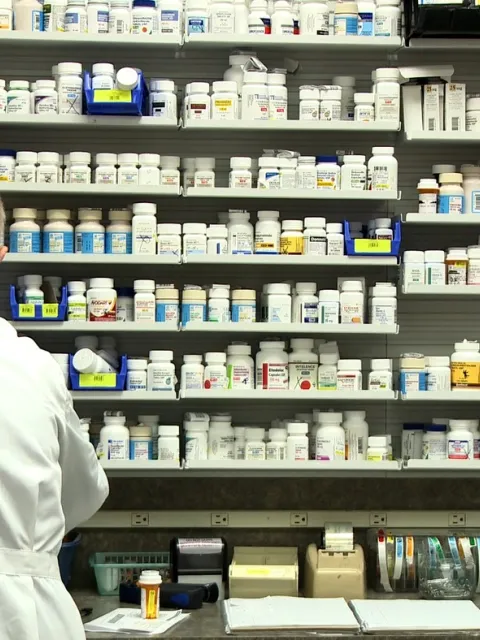
Dr Najy Alsayed from the Menarini Group, a UICC partner, examines the growing threat of antimicrobial resistance for people with cancer, highlighting alarming global data, its clinical and economic impacts, and the urgent need for integrated surveillance, stewardship, and patient-centred care strategies.

UICC and its member UNICANCER have signed a Memorandum of Understanding to strengthen their collaboration, with a shared focus on people-centred care, equitable access, and key thematic areas such as women’s cancers, and lung health.
UICC and UNICANCER sign MoU to strengthen...

As the first official World Cervical Cancer Elimination Day is observed on 17 November, this article highlights how UICC and its members are contributing to the elimination efforts, and the progress being made towards achieving the 90-70-90 targets for elimination.
Marking the first official Cervical Cancer...
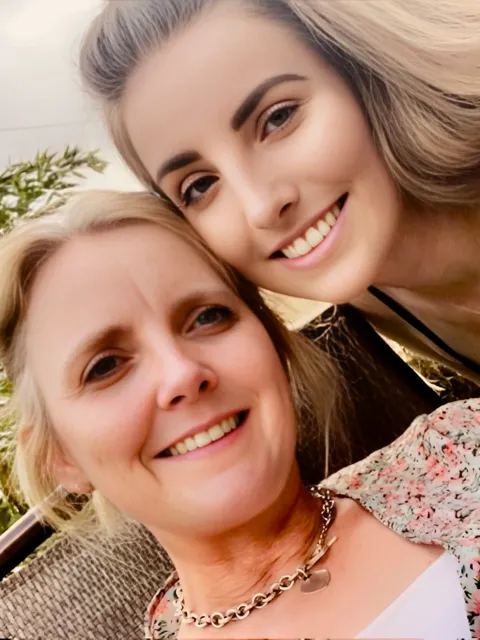
In an interview with UICC marking Lung Cancer Awareness Month, Swasti Mishra of Lung Cancer Europe, a UICC member, explains how improving early detection, evidence-based testing, and psychosocial care can help overcome disparities and improve outcomes in lung cancer.
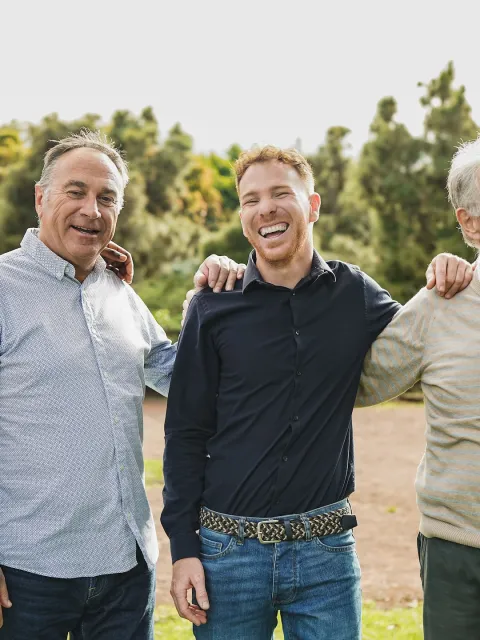
UICC spoke with Lisa Strydom of CANSA in South Africa, a UICC member, and Dr Anna Green in Australia whose initiatives show how tailored support services can help men navigate complex health systems, manage treatment-related side effects, and plan for life beyond cancer.
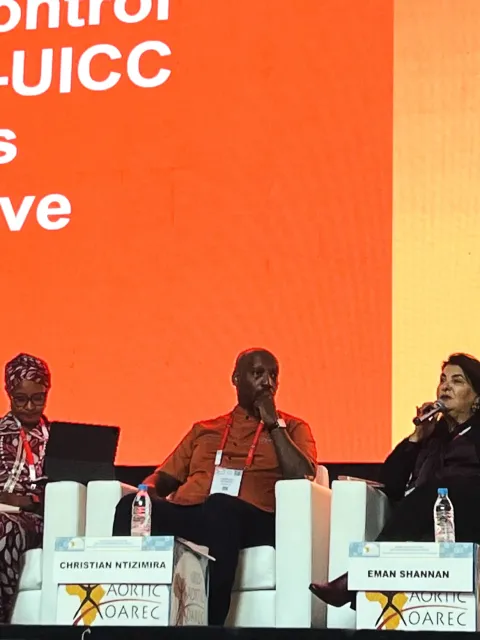
AORTIC 2025 brought together experts and advocates to address common challenges, improve cancer data and national strategies, with UICC contributing insights on health systems, cancer planning, AMR, and people-centred care.
Geneva, Tuesday 28 January 2025 – UICC is pleased to announce the new global World Cancer Day campaign 2025-2027 ‘United by Unique’ calling for a fundamental shift in cancer care and health systems worldwide towards a people-centred approach.
The World Cancer Declaration 2025–2035 calls upon governments and policymakers to take decisive action to reduce the global cancer burden, promote equitable access to prevention, diagnosis, treatment, and care, and fully integrate cancer control into global health and sustainable development agendas.