
Antibiotic resistance
This page displays all content tagged with this topic. If you're looking for more specific information, please use the search page for advanced filtering.
Raising awareness about antimicrobial resistance
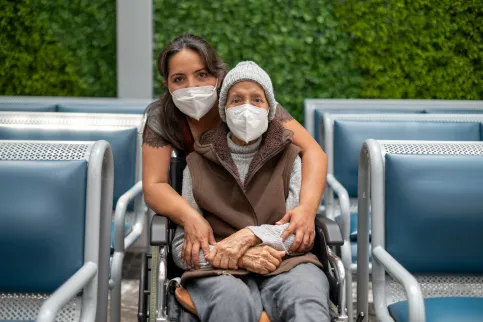
What can be done to fight the threat of antibiotic resistance for effective cancer treatments?
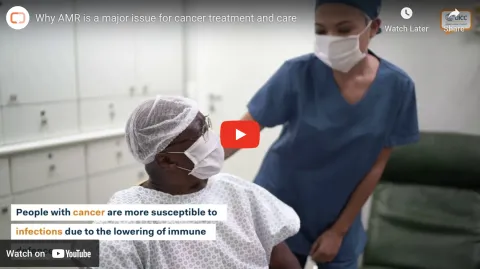
Antimicrobial resistance (AMR), including antibiotic resistance, adversely affects cancer treatment and could undermine key advances being made in cancer care.

Cancer care is highly affected by antimicrobial resistance. As many as 1 in 5 cancer patients undergoing treatment as hospitalised due to infection, and antibiotic are the main line of defence.
Author(s):
Union for International Cancer Control
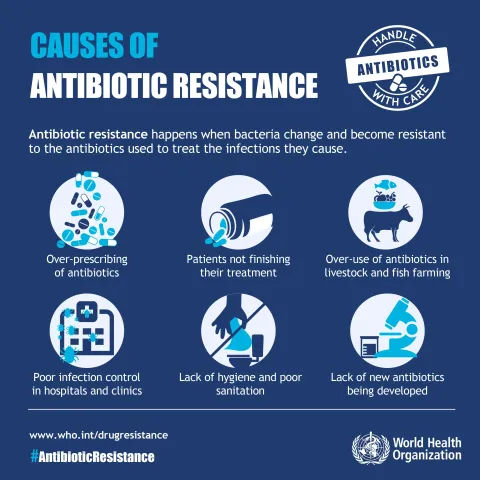
Antimicrobial resistance happens when microorganisms (such as bacteria, fungi, viruses, and parasites) develop the ability to continue to grow, even when they are exposed to antimicrobial medicines that are meant to kill them or limit their growth (such as antibiotics, antifungals, antivirals, antimalarials, and anthelmintics).
Author(s):
WHO
The Antimicrobial Resistance Fighter Coalition aspires to change behaviors across the globe that will maintain the effectiveness of antibiotics for future generations via education, training, and partnerships that recognize and amplify the efforts of coalition supporters.
Antimicrobial resistance (AMR) or drug resistance, including antibiotic resistance, is a growing public health issue and needs urgent attention in countries around the world.
Author(s):
Union for International Cancer Control
Infections are common complications for cancer patients.Effective antibiotics are what keep these patients alive.
UICC's actions on antimicrobial resistance