WHO’s valuable partnership with UICC
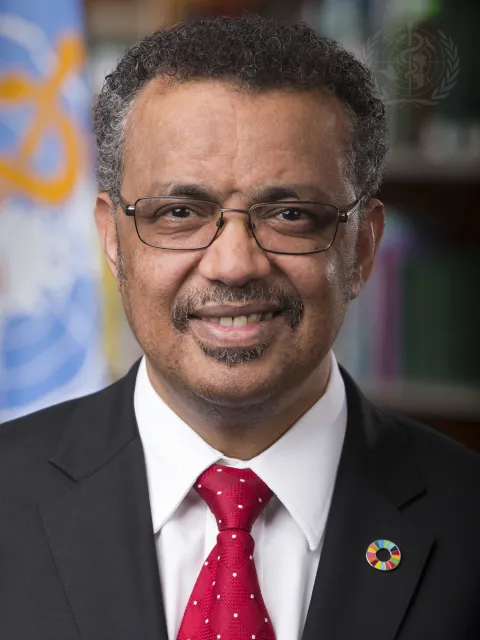

"WHO is proud of its longstanding partnership with UICC in reducing the burden of cancer around the world," says Dr Tedros Adhanom Ghebreyesus, Director-General of the World Health Organization.

This year marks the 90th anniversary of UICC, and an opportunity for me to express, on behalf of the World Health Organization (WHO), my appreciation for this esteemed organisation and gratitude for the work it has done and still does in the global fight against cancer.
WHO is proud of its longstanding partnership with UICC in reducing the burden of cancer around the world by improving the prevention, treatment and care of this disease. Our joint efforts have positively changed the trajectory of cancer.
One of our most significant achievements has been our joint efforts to eliminate cervical cancer. Cervical cancer is one of the most preventable and curable cancers, yet it still claims the lives of hundreds of thousands of women each year, mainly in low- and middle-income countries. UICC was an early advocate to respond to the call to eliminate cervical cancer and support the development of WHO’s Global Strategy with its three pillars of vaccination, screening and disease management.
In 2021, WHO and UICC went one step further to address breast cancer, the most common cancer in women worldwide. Showing the power of coordinated messaging, UICC’s Breast Cancer programme has aligned with the three targets in WHO’s Global Breast Cancer Initiative. Speaking with one voice, we have been able to engage governments and organisations globally to rapidly scale-up early detection and treatment services.
We have also worked together to tackle persistent challenges, such as defining essential medicines for cancer control, listed on the WHO’s Essential Medicines List (EML). In 2015, WHO and UICC worked together to propose medicines based on specific regimens for specific cancers, and make it easier for policymakers to identify cancer medicines relevant for their national disease burden. In the 2021 review of the EML, more than a quarter of applications were for cancer medicines. This shows the pressing need for these to be made available for populations globally, in light of the rising burden of cancer.
Our shared voice has been a catalyst for global action. WHO is a proud partner of the World Cancer Leaders’ Summit and, more recently, of the World Cancer Congress held last year in Geneva, Switzerland, where UICC and WHO are both headquartered. These events bring together thought leaders in cancer control from around the world to discuss the latest developments in cancer research, prevention, treatment and care.
WHO has used World Cancer Day, led by UICC, to draw attention to priorities in the cancer agenda, such as the current campaign to ‘close the care gap’. Disparities in health have long existed and the COVID-19 pandemic brought to light even more starkly the inequities and pre-existing inequalities between populations and their impact in terms of health on marginalised communities. The right to health for everyone, everywhere, cannot exist until these gaps in care are filled.
UICC 90th anniversary is a good occasion to reflect on our shared progress and recommit ourselves to a brighter future. There is still much more work to be done; we cannot accept the status quo in which whether you live or die from cancer is determined by where you live or what socioeconomic group you belong.
The cancer agenda has come a long way in the past 90 years, and particularly in the last decade. Thank you to all our partners, colleagues and supporters who have contributed to our joint efforts in reducing the burden of cancer. Thank you to all those communities who have been affected by cancer who have been our inspiration for action. We will continue our work to make a positive difference for millions across the globe towards health for all.
Last update
Thursday 21 May 2026