Equitable and accessible cancer care requires more than innovative medicines
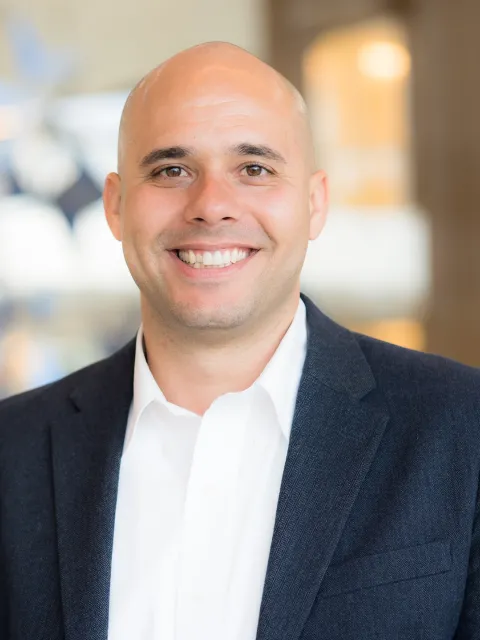
Andrew Whitehead of UICC partner Bristol Myers Squibb writes about how equitable access to innovative cancer treatments cannot rest on a single intervention, but rather depends on stronger health systems spanning financing, diagnostics, workforce capacity and patient engagement.
For scientific innovation to reach the patients who need it the most, every step of the access journey needs to function effectively. That is why, when I think about health equity in cancer, I always come back to one conviction: equitable access is built through comprehensive health systems strengthening, not through isolated interventions.
Immune checkpoint inhibitors (ICIs) have transformed outcomes for people with certain cancers. Yet integrating them responsibly in resource-limited settings is far more complex than ensuring supply. In addition to adequate temperature-controlled supply chain, reliable last-mile and local storage capabilities, safe and appropriate clinical use depends on trained healthcare teams, functional diagnostic infrastructure, patient follow-up, and reliable data to monitor outcomes and toxicities.
At the same time, because cancer care costs can be catastrophic for families, enabling treatment funding mechanisms is critical to ensure equitable access. When any of these pieces are missing, care gaps widen – even when an effective treatment exists.
Six dimensions that must move together
At Bristol Myers Squibb (BMS), we believe that every person should have an equitable opportunity to benefit from our medicines and innovation, no matter who they are, where they live, or what they have. This conviction underpins our support for the ATOM Coalition's Immune Checkpoint Inhibitor Sustainable Access Programme, currently active in Ethiopia, Kenya, Rwanda, Uganda and Zambia.
The programme is structured around six reinforcing components: medicines access through country-owned supply mechanisms; clinical capacity-building for the safe use of immune checkpoint inhibitors (ICIs); the design of equitable health financing models; strengthening of diagnostic infrastructure; patient education and community engagement to improve awareness, early recognition, and timely management of immune-related toxicities across the care pathway; and monitoring and evaluation to track safety, effectiveness, equity and sustainability.
Taken together, these dimensions shift the conversation from “Can a medicine be supplied?” to "Can a health system deliver the right care, safely and consistently, to the people who need it?"
A health systems approach matters because it makes gaps in care visible. If diagnostic pathways are limited, only some patients will be identified as eligible for treatment. If clinicians lack support in recognising and managing immune-related adverse events, the risks of treatment increase. If financing is regressive, access to the appropriate therapy becomes dependent on ability to pay. If data systems are weak, decision-makers cannot see where the gaps are, or whether investments are working – undermining commitment to, and scalability of, effective mechanisms for change.
Building across all six dimensions at once means building the infrastructure that makes access fair, safe, and durable for everyone affected by cancer, not just for those with the best connections or the most resources.
Partnership as the only way forward
No single actor – whether a government, civil society organisation, professional association, or company – can strengthen all parts of a cancer-care pathway alone. What gives me optimism is the growing commitment to cross-sector collaboration, aligned around country priorities and long-term capability-building.
BMS remains committed to supporting sustainable access to innovative medicines while contributing medical expertise and resources to help accelerate health system readiness. Through its Innovative Medicines Access Program (IMAP), and in partnership with country-specific financing models, BMS is enabling equitable access to quality-assured immuno-oncology therapies.
Examples include publicly financed nivolumab supply at the Uganda Cancer Institute, public–private partnership–enabled access at the Cancer Diseases Hospital in Zambia, and the establishment of private sector access pathways across more than 20 oncology centers in nine low- and lower-middle-income countries.
Through these efforts, BMS helps strengthen clinical capacity, patient safety, and continuity of care, while supporting sustainable access to nivolumab.
My call to the broader cancer community is this: let us measure success not only by what innovations are introduced, but by what health systems can reliably deliver – across financing, diagnostics, workforce, patient engagement and data. Let’s prioritise strengthening health systems so they can sustainably adopt innovative therapies and reliably treat eligible patients.
Progress will look like fewer patients falling through the cracks, and more people receiving the right treatment at the right time, regardless of where they live.
Last update
Wednesday 03 June 2026