News
09 February 2016
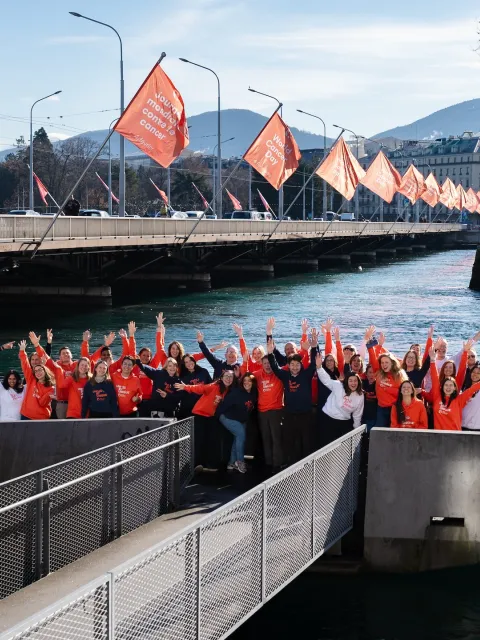
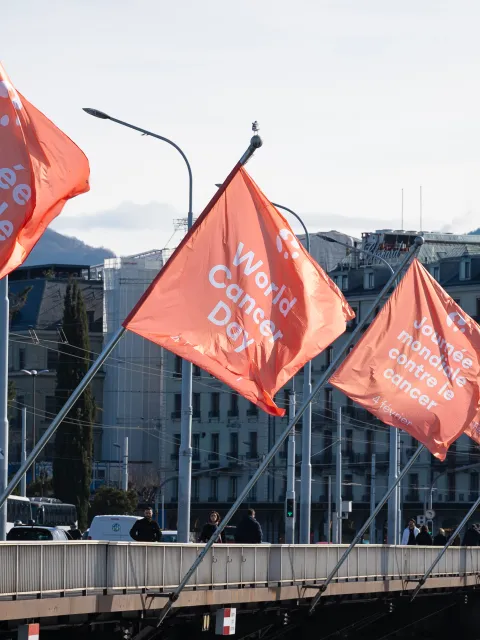
World Cancer Day 2016 was a great success
A big thank you to all of you for your help and support

We were really impressed and thrilled to see all the activities that took place on and around World Cancer Day 2016. We were very pleased with the excellent pick up of the "We can. I can." theme and the very creative "Talking Hands" submissions which featured on the World Cancer Day's Wall of Support.
It was a record breaking World Cancer Day and we are still taking stock of all the activities and events that took place around the world, but we wanted to share some preliminary highlights with you here below.
820 activities in 129 countries |
400k tweets |
3.5m engagements on Facebook |
9k #WeCanICan Instagram posts |
10k 'Talking hands' photos |
16k views of the 'We can. I can.' video |
|
|
1,076 Thunderclap supporters |
|
|
TALKING about World Cancer Day
|
We would like to acknowledge the contribution of the World Cancer Day Advisory Group, who played an integral role in shaping this year's campaign.
We would like to express our thanks once again to all those that took part in the day. Your collective time and energy really made a difference.
The World Cancer Day Team
and our CEO, Cary Adams
Last update
Thursday 09 July 2026