
World Breastfeeding Week
The World Breastfeeding Week is celebrated every year from 1 to 7 August to encourage breastfeeding and improve the health of babies around the world. But do you know that the longer women breast feed the more they are protected against breast cancer ?
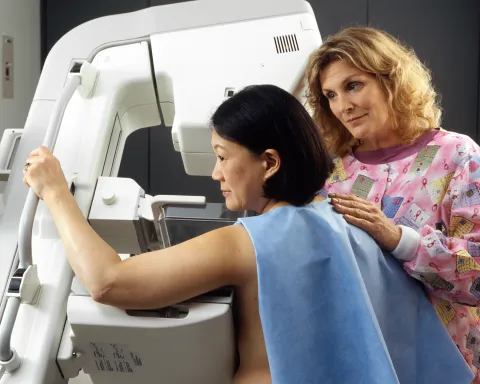
According to a number of studies, breastfeeding has direct effects on breast cells, causing them to differentiate, or mature, so they can produce milk. Some researchers hypothesize that these differentiated cells are more resistant to becoming transformed into cancer cells than cells that have not undergone differentiation. On top of that, breastfeeding for an extended period (at least a year) is associated with a decreased risk of both hormones receptor-positive and hormone receptor-negative breast cancer.
The conclusions of this research do not differ significantly for women in developed and developing countries, and do not vary significantly by age, menopausal status, ethnic origin, the number of births a woman had, her age when her first child was born, or any of nine other personal characteristics examined. However, it is estimated that the cumulative incidence of breast cancer in developed countries would be reduced by more than half if women had the average number of births and lifetime duration of breastfeeding that had been prevalent in developing countries until recently. The lack of or short lifetime duration of breastfeeding typical of women in developed countries makes a major contribution to the high incidence of breast cancer in these countries.
Find more about the World Breastfeeding Week here.
Last update
Friday 07 June 2019