
Improving early diagnosis of breast cancer in a public healthcare network in El Salvador
Asociación Salvadoreña para la Prevención del Cáncer – El Salvador
As part of the Breast Cancer programme, this project was awarded a grant for early detection of breast cancer in October 2022.
Project objectives
This pilot project sought to strengthen the national strategy for the early detection of breast cancer in El Salvador, through the use of a model of care previously developed and tested in Peru, which includes effective community awareness combined with the training of healthcare professionals in the early detection of breast cancer and timely referral.
Project description
The project team built strong partnerships in the region, including with the Ministry of Health (MoH) and the Pan American Health Organization (PAHO), which were instrumental in strengthening early breast cancer detection in the country by integrating breast cancer screening into the existing cervical cancer screening programme.
The training programme developed included modules on clinical breast examination (CBE), fine needle biopsy (FNB), and community-based breast health promotion. A total of 95 healthcare professionals were trained to perform CBE and FNB. During the project period, 500 clinical breast examinations were conducted, and 20 fine needle biopsies were performed on women with palpable breast nodules, an important achievement, as FNBs were not previously performed due to a lack of trained professionals.
The team also launched an awareness campaign reaching 750 women in the community with information on breast health and early warning signs of breast cancer. A further 1,050 women received information via educational resources that were disseminated.
Key numbers
Impact
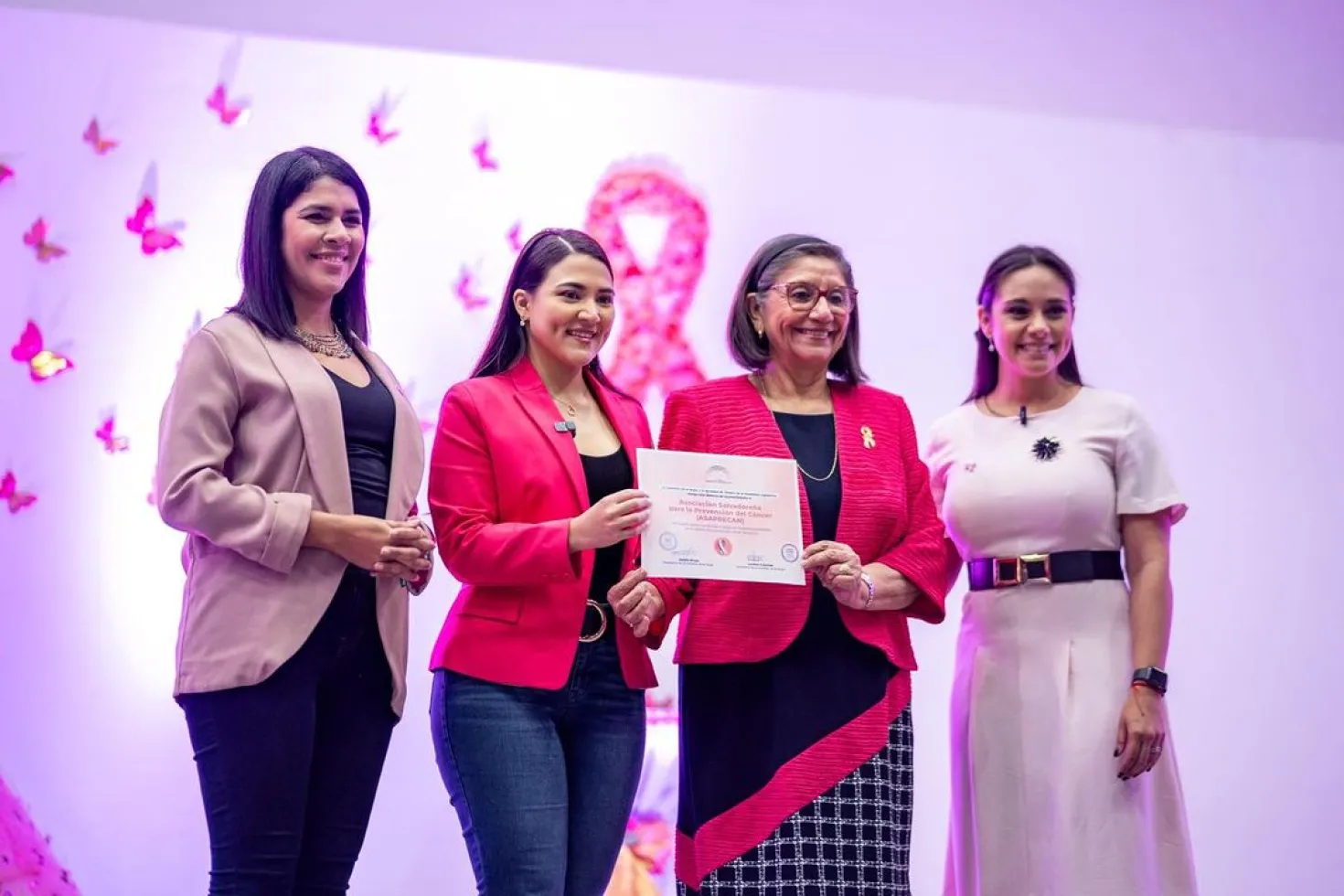
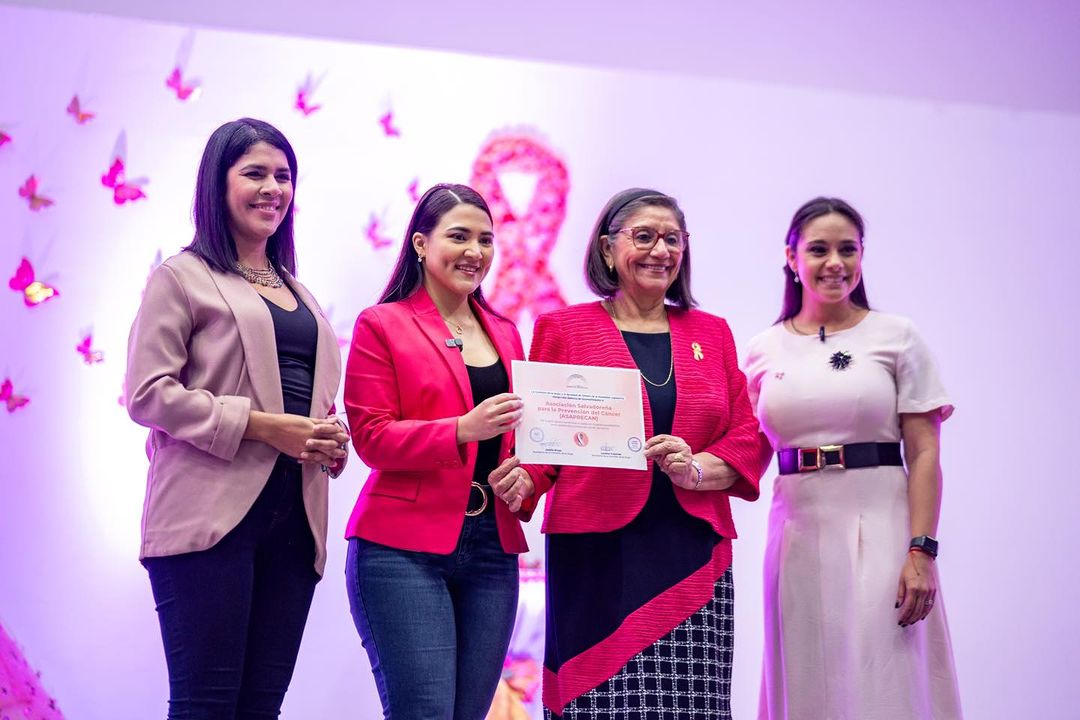
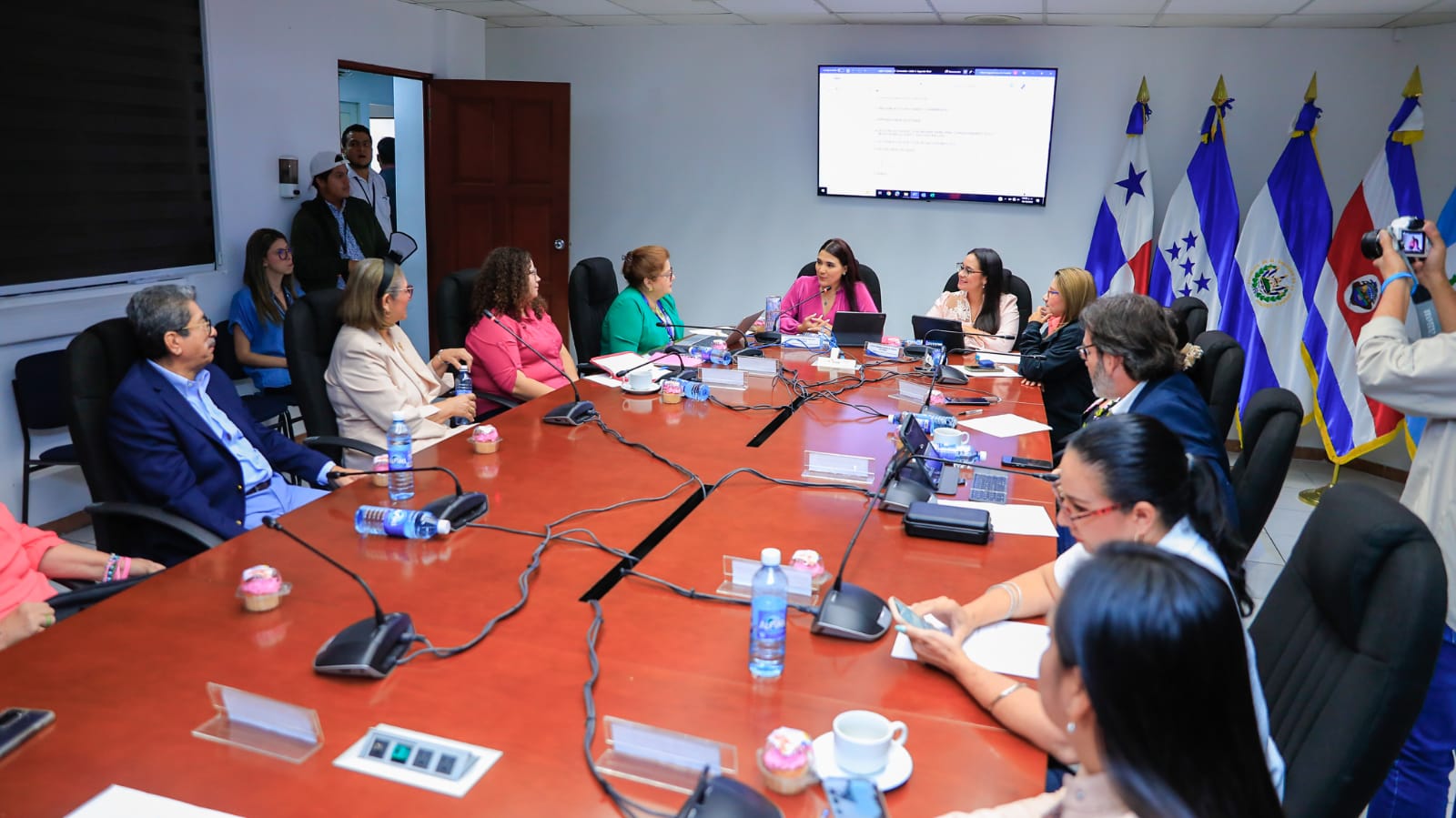
As a result of and demonstrating the strength of the partnerships established through the project, the team held a Parliamentary Forum on the Early Detection of Breast Cancer in alliance with the Commission on Women and Gender Equality of the Legislative Assembly of El Salvador after the end of the grant. The training programme (including modules on Clinical Breast Examination (CBE), Fine Needle Biopsy (FNB), screening with ultrasound, and promoting breast health in the community) has since been officially included in the Ministry of Health’s annual operational plan, marking a significant institutional achievement for the organisation and the country.
Building on these results, the Legislative Assembly of the Republic of El Salvador approved an allocation of funds from the general budget of the nation for 2024 and 2025 to continue the implementation phase of the project, utilising the tools developed during the first year.
Between 2024 and 2025, the project significantly strengthened the capacities of healthcare personnel across the country. An addition of 641 health professionals and community health workers were trained through several specialised programmes. This included 299 primary health care professionals (nurses and medical doctors) trained in the CBE, 234 community health promoters trained in health promotion for early detection of breast cancer, 80 nurses, social workers and psychologists trained in breast cancer screening and patient navigation, and 28 pathologists trained in the histopathological reporting of breast cancer, contributing to improved diagnostic quality and patient management.
These strengthened capacities translated into a substantial increase in early detection services delivered to women across the country. A new component, the “Community Campaign for Early Detection of Breast Cancer”, was also introduced to expand outreach and screening activities. Between 2024 and 2025, trained personnel conducted 72,081 additional clinical breast examinations in health facilities, performed 1,450 additional breast ultrasounds, and facilitated 4,801 additional mammograms. In addition, 537 diagnostic procedures, including fine needle aspiration biopsies and core needle biopsies, were carried out to support timely diagnosis.
To further raise awareness, a social media campaign was designed and implemented to increase public knowledge about the importance of early detection of breast cancer. Additionally, a Breast Cancer Patient Navigator Network has been established, with a central coordination office located at the National Women’s Hospital.
Moreover, El Salvador’s selection in 2023 by the ATOM (Access to Oncology Medicines) Coalition, along with the signing of the Memorandum of Understanding (MoU) between UICC and the Ministry of Health of El Salvador in June 2024, is expected to improve access to essential medicines. This will further strengthen national efforts in the early detection, diagnosis, and treatment of breast cancer.
Gallery


Last update
Monday 04 May 2026