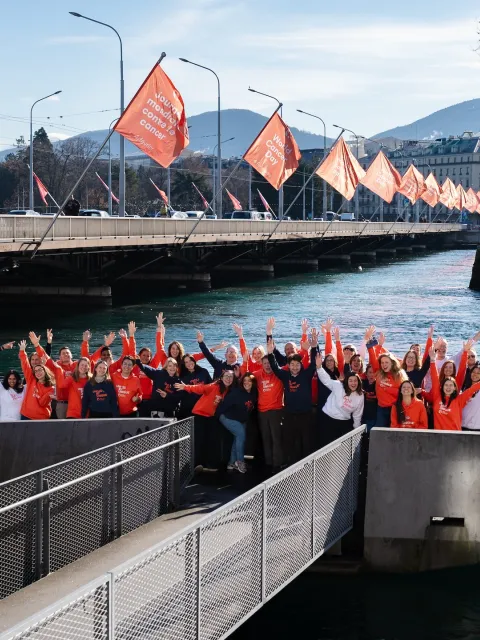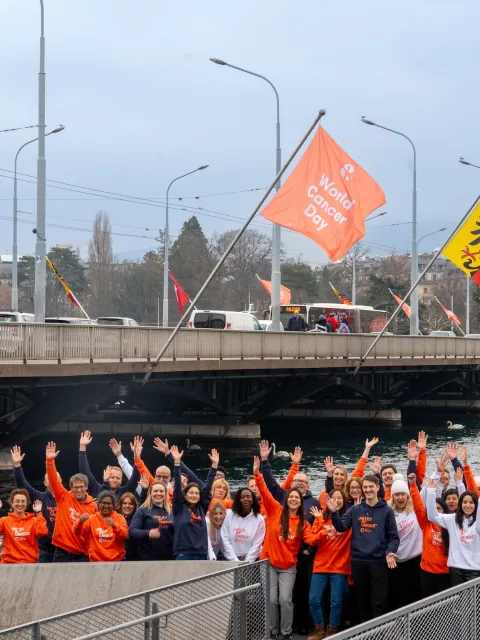
Personal stories of people with lived experience illustrate what people-centred cancer care means in practice
World Cancer Day’s United by Unique campaign highlights personal stories that illustrate how people-centred cancer care looks in practice, stressing the need for political will to make inclusive, empathetic, and accessible care the global standard.

Led by UICC since 2000 and organised every 4 February, World Cancer Day is a global initiative to improve awareness and knowledge of cancer risks and actions to better prevent, detect and treat the disease.
HIGHLIGHTS
- The second year of the United by Unique World Cancer Day campaign UICC highlights how people-centred care is already being implemented – and what is needed for it to become the norm.
- More than 700 stories on the website feature accounts from the UK to Pakistan, Brazil, Lebanon and beyond, which show how empathy, financial support, inclusive services and local advocacy can improve outcomes and quality of life.
- Initiatives such as patient navigation, multidisciplinary care, legislative reform and inclusive training standards demonstrate that people-centred care is achievable in all settings.
This World Cancer Day, UICC is asking the global cancer community – people with cancer, caregivers, organisations, healthcare workers – to show how people-centred care can become a reality in all settings, so that the care people receive is not only medically effective but also accessible, inclusive, and responsive to their needs.
The second year of the ‘United by Unique’ campaign moves beyond raising awareness to highlighting how people-centred care is already being implemented – and what is needed for it to become the norm.
More 700 stories shared submitted by people affected by cancer to the World Cancer Day platform reveal not only persistent gaps – such as clear communication, continuity of care, psychosocial support, and cultural sensitivity – and what people most value when care is centred around them: support that sustains their wellbeing, protects their dignity, and meets them as individuals, not just patients.
“The experiences of people affected by cancer – whether as a person living with cancer, a caregiver, a loved one, or a health worker – offer insight into the human side of care. They represent an invaluable and critical source of knowledge that must inform cancer policies and services, alongside clinical evidence.”
– Cary Adams, CEO of UICC
In one such story, Will describes how the lack of emotional and personal connection in cancer care left him feeling invisible during treatment for stage 4 cancer. A small moment of empathy from a nurse helped him reclaim his identity, leading him to found CancerBae, a UK-based charity focused on challenging stigma around cancer and empowering others through lived-experience storytelling and youth-led sports and community activations.
In Pakistan, the family of three-year-old Shahzeb had to abandon his treatment in Lahore due to the cost of staying in the city; he tragically died shortly after returning home. Facing similar experiences in the Philippines, the Cancer Warriors Foundation mobilised families and civil society to pass the National Integrated Cancer Control Act. Children with cancer are now legally recognised as persons with disabilities, entitling them and their families to broader financial support – not only for treatment, but also for travel, accommodation, and food.
From rural Malaysia, a caregiver named Karen recounted how a man with advanced cancer ended treatment because the hospital was too far away. In response to similar challenges in South Africa, CANSA launched the Prostate Cancer Patient Navigation Project, offering individualised support from early screening through to care, and bridging the gap for men who might otherwise fall through the cracks.
Mandi Pratt-Chapman has been working with people across the LGBTQI+ spectrum to better understand where and why the health system to often fails to meet them – – from people having to educate their own clinicians, to being excluded from care decisions, or facing discrimination in access to services. She has collaborated with health professionals and policymakers to improve training standards and clinical guidance, including through her work with the LGBTQIA+ Cancer Network to promote more inclusive, affirming care.
In Brazil, a young mother with advanced tongue cancer feared she would no longer be able to communicate with her children or share family meals as she lost much of her ability to speak and eat. A speech therapist named Camila helped her rebuild these abilities through tailored exercises and new communication techniques. This was all made possible through a multidisciplinary care model supported by the Brazilian health system.
In Lebanon, Barbara Nassar’s experience with metastatic breast cancer became a catalyst for systemic change. Alongside her husband Hani, she founded an organisation that today leads national advocacy for adults with cancer. Their efforts have redistributed medicines, influenced national policy, and supported the creation of Lebanon’s first supportive care centre – offering free psychological, nutritional, and wellness services.
“People-centred care is not theoretical. It is already being practised in many parts of the world with real benefits to people’s lives in terms of outcomes and quality of life. Systems that respond to people’s real needs deliver better outcomes, use resources more effectively, and strengthen trust. These examples must become the standard, not the exception, and this requires political will.”
– Ulrika Årehed Kågström, President of UICC and Secretary-General of the Swedish Cancer Society
In 2022, there were an estimated 20 million new cancer cases and 9.7 million lives lost to cancer. About 1 in 5 people will develop cancer in their lifetime.
The three-year World Cancer Day campaign United byUnique recognises that each person’s experience with cancer will be unique, and everyone has unique needs, unique perspectives, and a unique story to tell. Yet people touched by cancer are united in a shared ambition to improve the effectiveness of cancer care, and see people being treated more successfully with better quality of life.
The campaign is designed to support individuals everywhere affected by cancer as well as UICC’s members, partners, and organisations working to improve cancer policies across the globe.
Last update
Tuesday 03 February 2026