The importance of providing quality breast cancer surgery in Africa
Access to quality breast cancer surgery is essential to successful management of the disease. In low- and middle-income countries such as Africa, strengthening surgical capacity and integrating cancer services into national plans and universal health coverage are vital for improving outcomes.
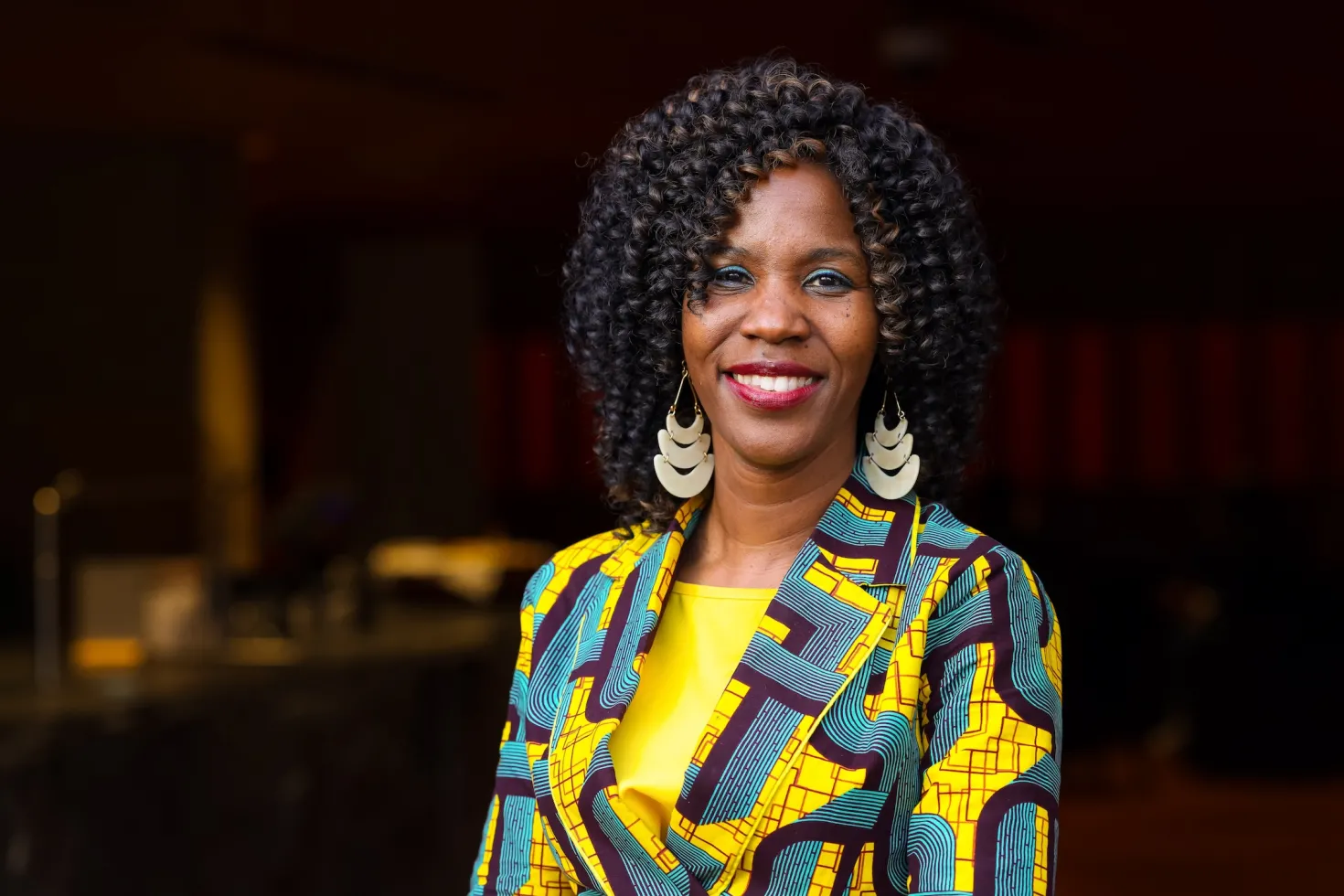
Dr Miriam Mutebi, a breast cancer surgeon at the Aga Khan University Hospitals in Nairobi, Kenya, and UICC Board Member explains the need for a comprehensive approach to improve access to breast cancer surgery in Africa and why it is so essential to improving outcomes.
HIGHLIGHTS
- Surgery is essential for diagnosis, treatment, palliation, and prevention of breast cancer.
- There is limited access in Africa to safe, timely, and affordable surgery due to financial constraints, sociocultural factors, and shortages of trained personnel.
- A comprehensive approach to address the situation is needed, including Intentional investment in workforce training, in-country training programmes, and multidisciplinary approaches to cancer treatment.
- Partnerships with global health organisations can help share knowledge, resources, and advocate for policy changes to improve cancer care.
In many low-resource settings, particularly in sub-Saharan Africa, late diagnosis and gaps in access to essential services contribute to poorer breast cancer outcomes compared to high-income countries.
Surgery is a critical component of breast cancer care, yet many women in Africa encounter significant barriers to timely, safe, and affordable surgical interventions. These challenges extend beyond financial constraints and sociocultural factors to include shortages of trained personnel and broader weaknesses in health systems. Strengthening surgical capacity and integrating cancer services within national cancer control plans and universal health coverage efforts are essential to improving outcomes.
In a conversation with UICC, Dr Miriam Mutebi, a breast cancer surgeon at the Aga Khan University Hospitals in Nairobi, Kenya, UICC Board Member, and President of the African Organization for Research and Training in Cancer (AORTIC), discusses the current landscape of breast cancer surgery in Africa and the need for a comprehensive approach—one that invests in health system strengthening, expands the surgical workforce, and ensures cancer care is embedded within national strategies for sustainable, people-centred care.
What is the role of surgery in breast cancer treatment, and how does this differ in approach in Africa compared to high-income countries?
Surgery is involved in diagnosis, treatment, palliation, and even prevention. Good surgery is essential for positive outcomes in cancer treatment. For early breast cancers, surgery is the mainstay of treatment, and while we use chemotherapy upfront for locally advanced disease followed by surgery, surgery may also help to improve the quality of life of women with metastatic breast cancer who have large ‘fungating’ tumours.
However, in Kenya and more widely in sub-Saharan Africa, access to safe, timely, and affordable breast cancer surgery is very limited due a lack of specialised and coordinated surgical oncology care delivery. Indeed, a majority of cancer surgeries in these settings are performed by general surgeons, who often have limited experience doing so, and may therefore lack the adequate skill set.
Why are most breast cancer surgeries performed by general surgeons?
A primary reason is limited resources and few trained breast cancer surgeons. Investing in specialised training and equipment for surgical oncologists can be costly, and many healthcare systems may not have the budget to support such investments. As a result, general surgeons, who are already part of the existing workforce, are relied upon to perform these surgeries. The training however varies and competencies in breast cancer surgery may vary significantly
Geographical barriers further complicate access to specialised care. In rural and remote areas, general surgeons and other practitioners are more likely to be available, making them the primary providers of surgical care for breast cancer patients.
There is therefore an urgent need, and efforts are being made, to elevate and homogenize the skill sets of general surgeons. While they may not have specialised training in oncology, additional training and support can help improve their surgical skills and knowledge in multi-disciplinary approaches to cancer care, ensuring more positive outcomes.
What strategies are most effective in improving the skills and capacity of the surgical workforce?
There has to be intentional investment in building the workforce. We need to focus on lifting or training or standardising the skill sets of the workforce that exist. In addition to expanding the skill sets of the already existing workforce, we also need to look to developing in-country training where one can provide relevance and context to the surgical skills that one is acquiring.
Currently, AORTIC members are helping to support a surgical oncology training programme in West Africa through the West African College of Surgeons. We are also developing a breast cancer surgery fellowship training at the Aga Khan University for the East African region.
What other significant obstacles prevent women in Africa from accessing timely and quality breast cancer surgery?
Then there are issues related to health infrastructure as well as financial toxicity. The cost of surgery can be prohibitive, leading to delays in treatment or opting for less effective alternatives
Socially, there is still a fear of and stigma around mastectomy in many settings and a lack of reconstructive services, which can deter patients from seeking surgery.
We need reliable, cost-effective surgical systems, and cancer surgery needs to be included in universal health coverage discussions.
A multidisciplinary approach to cancer treatment is also crucial. This involves collaboration among various healthcare professionals, including surgeons, radiologists, pathologists, and oncologists. Such an approach ensures that patients receive comprehensive care tailored to their specific needs.
How to raise awareness about the need to provide access to affordable surgical interventions for cancer?
Funding for surgery hasn't been particularly robust because the emphasis traditionally has been around infectious diseases. Now NCDs are rapidly emerging but surgery is still viewed as too expensive to incorporate into primary health care.
As we pivot towards more deaths from non-communicable diseases, however, we need to recognise the essential nature of surgical services and integrate them into universal health benefit schemes. Surgery is not separate from oncology, it is an integral part of oncology and the entire process of caring for a person with cancer. And we can’t emphasise enough how much more expensive is to treat advanced disease or poorly treated early disease, than to manage it efficiently as early as possible.
So the onus is on us to build the case for our policymakers to invest in surgical services and developing the workforce and include this in a costed national cancer control plan that is implemented and covered by a universal health benefits programme.
Is progress being made in integrating surgical services into universal health coverage schemes in Africa?
Yes, there have been some efforts. Some universal health coverage schemes are starting to cover the costs of surgery in the public setting, which is great. But it’s not as robust as we would like, and it’s still an ongoing discussion with lots more to be done.
How can international cooperation or partnerships help in addressing the challenges faced in breast cancer surgery in Africa?
International cooperation and partnerships play a vital role in addressing these challenges. By collaborating with global health organisations, we can share knowledge, resources, and best practices to improve cancer care. Collaborations ensure that we enhance ‘brain circulation’ and bidirectional development of surgical care ecosystems which include diagnostics, pathology, anaesthesia etc. Partnerships can also help in advocating for policy changes and securing funding for surgical services. It is critical to approach these issues as part of a broader health system improvement discourse rather than isolated surgery concerns.
Last update
Monday 04 May 2026