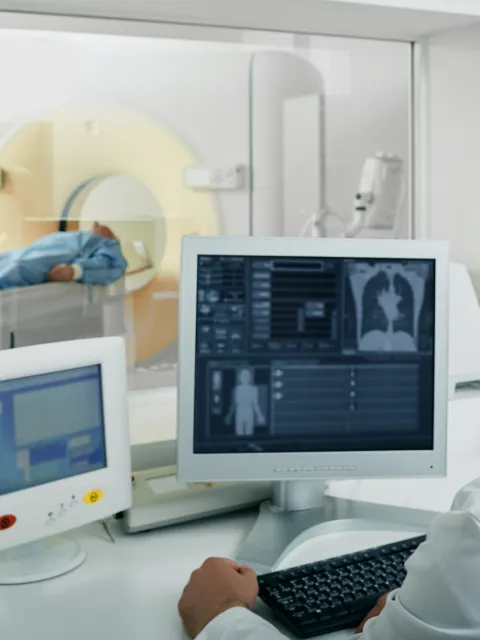
Radiotherapy at the heart of global cancer care

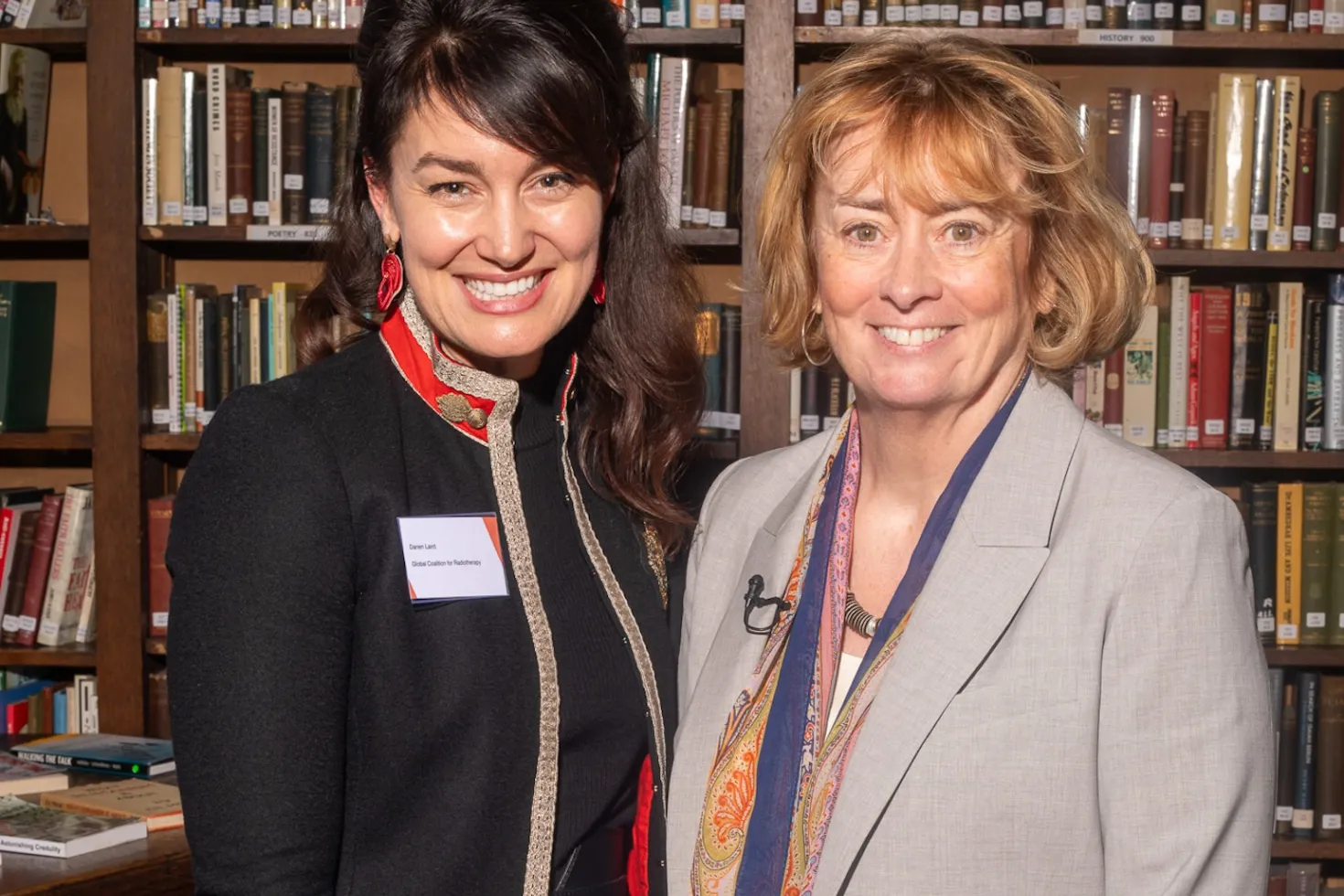
Author Darien Laird on the left with Prof. Pat Price, co-founder and Chair of the Global Coalition for Radiotherapy (GCR).
Ahead of World Radiotherapy Day on 7 September, Darien Laird, Executive Director of the Global Coalition for Radiotherapy, highlights the urgent need to improve access to radiotherapy and introduces practical standards to help embed this life-saving treatment into national cancer plans.
As Executive Director of the Global Coalition for Radiotherapy (GCR), I return often to one core truth: radiotherapy saves lives. It quietly delivers hope to over half of all cancer patients worldwide, yet it remains underutilised, underfunded, and underrepresented in global cancer conversations.
In 2022, there were nearly 20 million new cases of cancer, a number projected to rise to 35 million by 2050. Radiotherapy is part of treatment for around 50% of all patients and contributes to 40% of cures.
Yet today, only 30% of patients who need radiotherapy receive it. Shockingly, 52 countries have less than 20% of required radiotherapy capacity, while 38 have none at all. This inequity is one of the most pressing, yet solvable, challenges in cancer care.
The story of radiotherapy is one of both promise and neglect. On one hand, radiotherapy is a cost-effective, evidence-based treatment with decades of proven impact. On the other, it remains underfunded, under-prioritised, and often absent from national cancer control plans (NCCPs).
In Europe, for instance, only 5-7% of cancer budgets are allocated to radiotherapy. In many low- and middle-income countries, barriers include poor infrastructure, limited workforce training, unreliable maintenance, and insufficient data. The result: preventable deaths and widening disparities.
A decade ago, UICC’s Global Task Force on Radiotherapy for Cancer Control (GTFRCC) showed what’s possible. Its 2015 report concluded that optimising access could save one million lives annually by 2035, with a net economic benefit of USD 365 billion over 20 years. Progress, however, has been far too slow. This is where GCR finds its greatest call to action: let’s build better together to save lives with this life-saving treatment.
A path forward: innovation and standards
Improving access requires more than equipment. A systems approach is essential:
- Training and supporting the workforce to ensure safe, high-quality care.
- Robust maintenance and service planning for reliable equipment.
- Data collection and monitoring to align services with population needs.
- Internationally grounded quality and safety protocols.
- Advocacy to ensure radiotherapy is embedded in cancer strategies and budgets.
To support this, GCR has convened global experts to co-develop the Essential Standards for Radiotherapy. These provide practical benchmarks for safe, effective, and patient-centred care, helping policymakers and health systems strengthen their NCCPs.
At the heart of these standards is collective advocacy. Too often, radiotherapy is overlooked in cancer planning, leaving gaps in funding, workforce, and research. At GCR, we work alongside policymakers, clinicians, patients, and survivors to share stories and strengthen the case for change. Each voice matters.
Cancer will remain one of the defining health challenges of our century. But access to radiotherapy should not depend on geography, income, or infrastructure. The inequity we see today is avoidable—and addressing it will save millions of lives.
World Radiotherapy Day – 7 September
This year marks the launch of World Radiotherapy Awareness Day (WRAD) on 7 September, a global movement to shine a light on radiotherapy and the people who deliver and benefit from it. WRAD is about recognition, solidarity, and action. It invites cancer organisations, hospitals, academic centres, professional societies, and industry leaders to raise their voices together.
Participation can be simple yet meaningful: organisations are invited to add their logo to the WRAD supporters page, share the free resources available on social media, amplify their stories within their community and beyond. These collective efforts can help shift the narrative and reinforce radiotherapy’s role as a cornerstone of modern cancer care.
Learn more and promote WRAD on 7 September
Learn more about advocating for greater access to radiotherapy
Last update
Friday 10 July 2026