
Cancer control planning
A comprehensive plan is a prerequisite for effective and efficient action on health nationally. There are two key areas where UICC is helping advance discussions and action on cancer control planning.
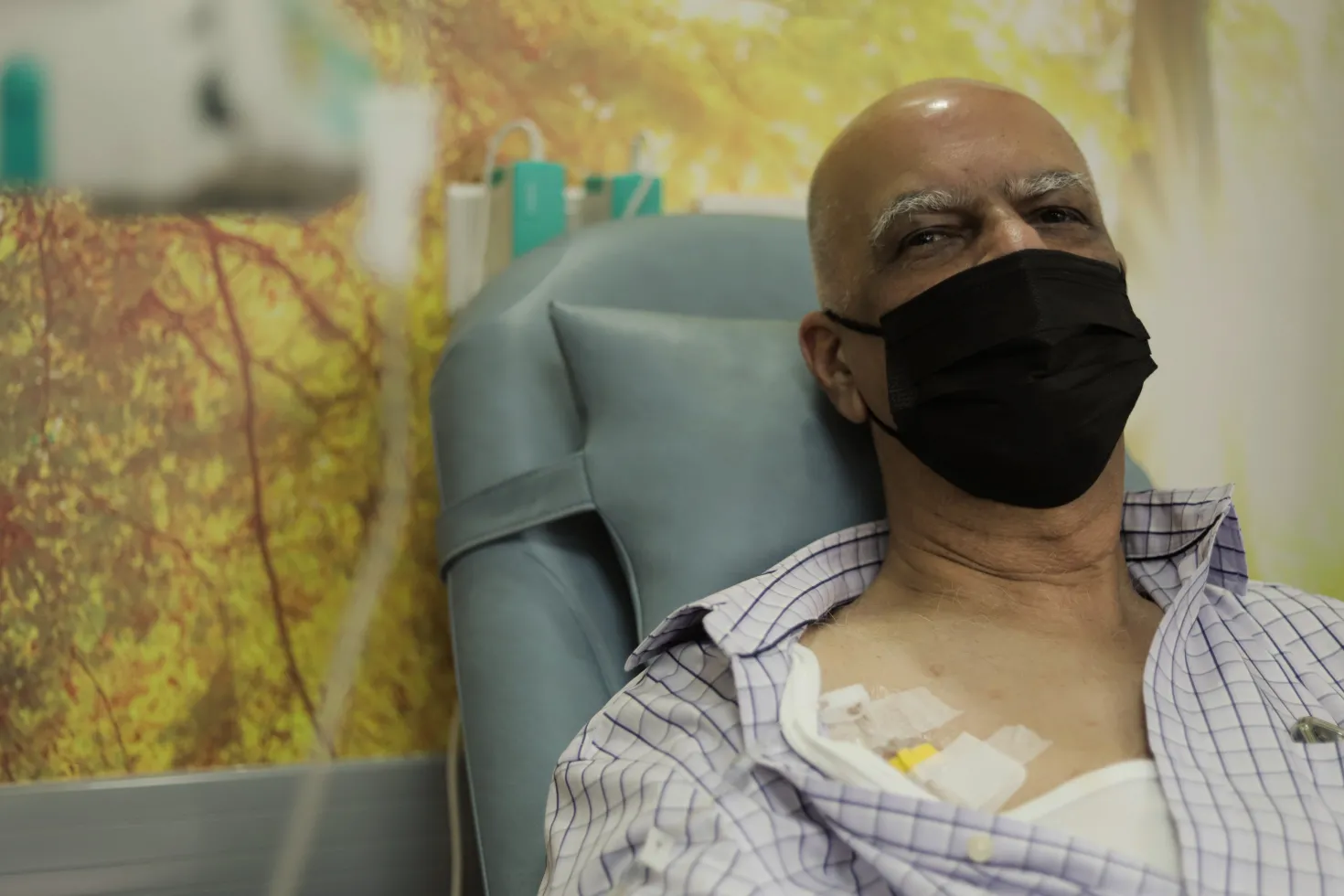
Cancer control planning is essential because it provides a structured, evidence‑based framework for coordinating all stages of cancer prevention, early detection, diagnosis, treatment, and palliative care. By developing a formal national cancer control plan (NCCP), countries can:
- Ensure strategic, efficient action on cancer, aligning investments and policies with the greatest population needs. Comprehensive planning is a prerequisite for effective and efficient health interventions at national level.
- Identify and prioritise resource allocation, including workforce training, infrastructure, and financing, ensuring that interventions are tailored to local epidemiology ― the types of cancer most prevalent, mortality rates, and key risk factors.
- Bridge critical gaps across the cancer continuum — from prevention (tobacco control, vaccination) to timely treatment and survivorship — improving outcomes and quality of life while reducing disparities.
UICC focuses on cancer control planning because it drives global impact. UICC is a founding partner of the International Cancer Control Partnership (ICCP), and through the partnership, collaborates with the World Health Organization (WHO), African Organisation for Research and Training in Cancer (AORTIC), Centers for Disease Control and Prevention (CDC), the US National Cancer Institute (NCI), and others to support countries in developing, reviewing, and updating NCCPs through technical assistance, regional guidance, and the ICCP portal resources.
Reviews of NCCPs are carried out in partnership with the ICCP using a structured questionnaire (Oar et al. 2019), which was also applied in the global review of NCCPs conducted in 2018 (Romero, Trapani et al. 2018) and 2025.
UICC also organises the Cancer Planners Forum, a unique platform that brings together professionals engaged in cancer control strategies worldwide. This forum fosters knowledge exchange, collaboration, and practical solutions to strengthen cancer planning efforts, ensuring that countries can implement effective, sustainable programmes. Learn more about the Cancer Planners Forum here.
By championing cancer control planning, UICC helps ensure that governments have strong, resourced, and coherent plans—transforming evidence into action to reduce cancer burden worldwide.
For more information on national cancer control planning technical assistance please refer to the ICCP portal.
Additionally, UICC works with WHO to promote inclusion of cancer services in Universal Health Care (UHC) strategies, advocating for equitable access and sustainable financing at the national level.
Read the most recent review by UICC and ICCP of national cancer control planning around the world

What is the International Cancer Control Partnership (ICCP)?
ICCP is a group of organisations engaged in supporting country cancer control planning efforts. Through the ICCP, these organisations, including the WHO, CDC, NCI-USA, and UICC, are committed to working together to ensure that all countries have a well-resourced, quality cancer control plan, integrated with non-communicable disease control efforts. One of the primary examples of this is the ICCP Portal – a one-stop shop for cancer prevention and control planning.
Learn more about the International Cancer Control Partnership
More resources
Second edition of the Cancer Planners Forum to be held 13-15 May 2026 in Geneva, Switzerland
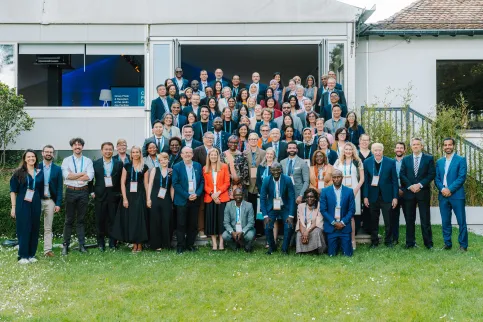
Experts met in Geneva to strengthen cancer planning efforts at the Cancer Planners Forum
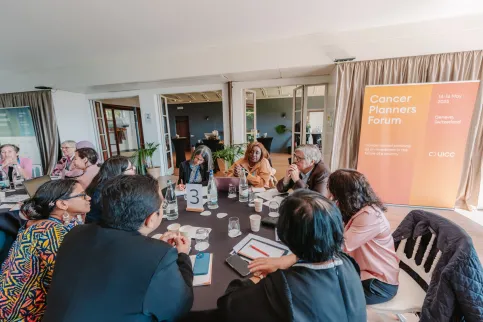
Inaugural Cancer Planners Forum in Geneva
The current global landscape of national cancer strategies: a new review by UICC and ICCP

“A goal without a plan is just a wish”: ICCP celebrates its 10-year anniversary
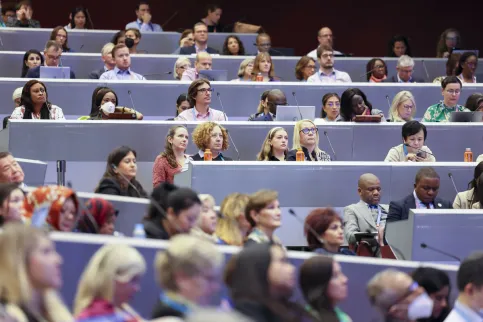
How cancer control planning can help close the gap in cancer care

NCCK: 20 years of advancing cancer care in the Republic of Korea

Why cancer control is fundamental during a pandemic

Assisting countries to implement National Cancer Control Plans

UICC aims to advance cancer control on a large scale to improve the lives of millions of people across the world
Driving global impact
Political will and a national strategy that prioritises targeted investments in cancer control as well as action at the international level can reduce the global cancer burden.
Targeted commitments

In 2020, an estimated 10 million people died prematurely from cancer. It is expected that by 2030, this number will rise to nearly 13 million. This alarming trend can be reversed with strong action at global and national levels.
Advocacy

UICC has created several new organisations and initiatives to address long-term public health challenges and unmet needs.
Creating new initiatives
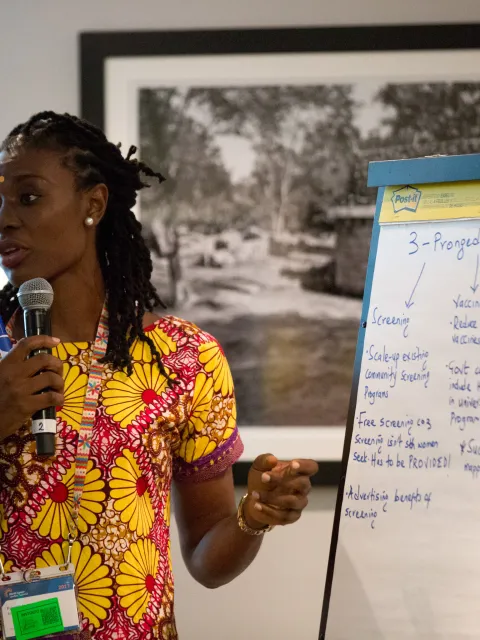
Since 2013, the Young Leaders programme has been supporting emerging cancer control professionals to become successful leaders in cancer control and the wider global health community.
Young Leaders programme
Last update
Thursday 30 July 2026